What Are the Best Ways to Use Peranakan Tiles in Your Kitchen?
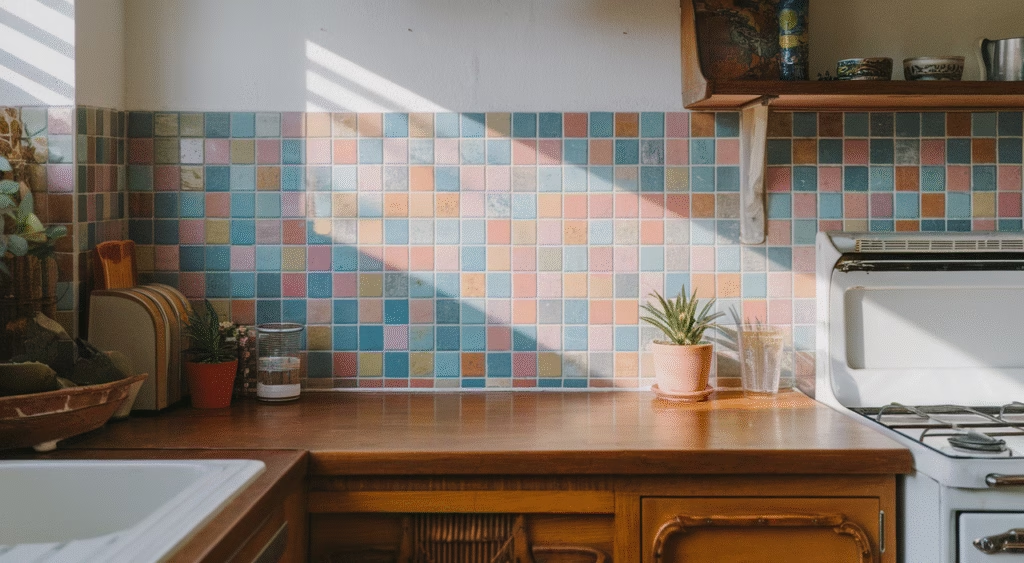
Peranakan tiles can transform your kitchen into a cultural masterpiece when used on backsplashes, feature walls, countertops, or floors. These vibrant heritage tiles inject personality and artistic flair into your cooking space, creating stunning focal points that blend traditional craftsmanship with modern functionality. Whether you’re working with sleek contemporary cabinets or rustic wooden elements, Peranakan kitchen tile ideas offer endless possibilities for creating spaces that tell your unique story.
TL;DR: Kitchen Inspiration With Peranakan Tiles
- Peranakan tiles are heritage-inspired, usually hand-painted, and rich in color and symbolism.
- They’re perfect for backsplashes, feature walls, floor borders, and niche spaces.
- Traditional Peranakan tile patterns often include floral motifs, symmetrical geometrics, and symbolic designs infused with meaning.
- Easy to incorporate in modern or traditional homes — they create focal points that never go out of style.
- We cover kitchen design ideas along with tips for using them elsewhere at home — like bathrooms and entryways.
Peranakan Tiles: A Cultural and Design Heritage
History and Significance of Peranakan Tiles
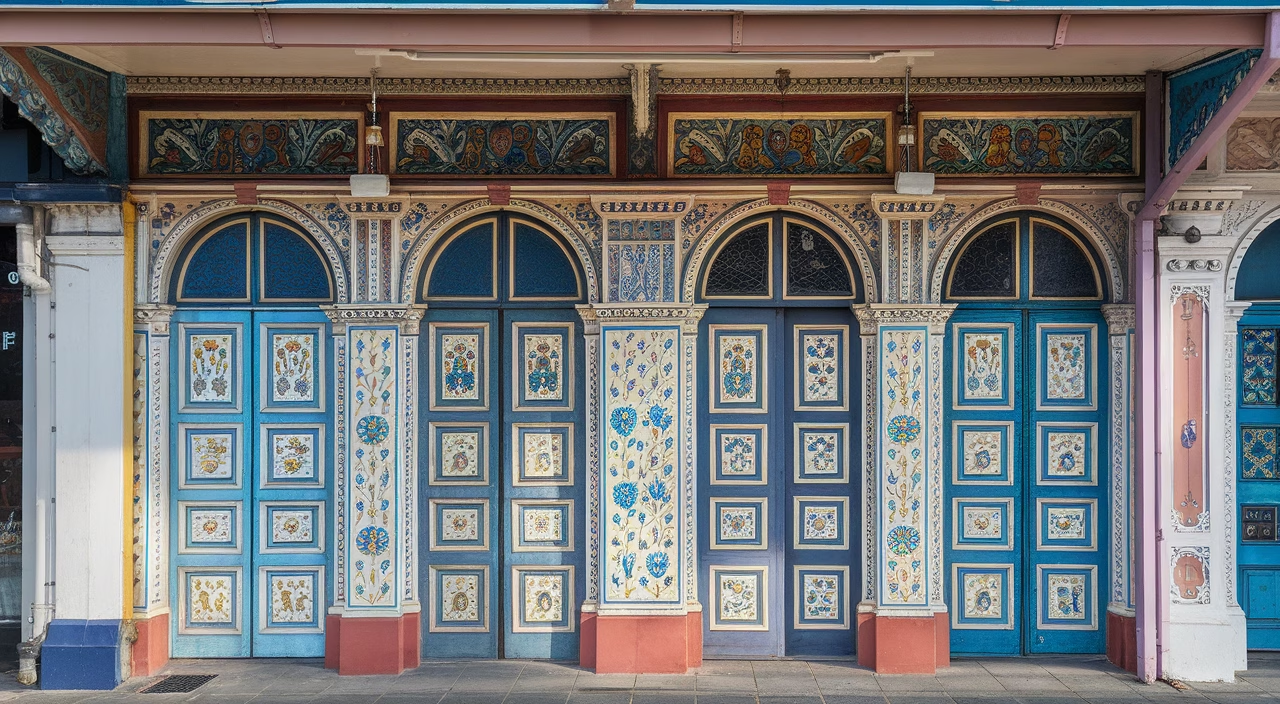
Peranakan tiles originated from the Straits Chinese — a unique community formed by early Chinese settlers in Southeast Asia. By the early 20th century, Peranakan homes across Singapore, Penang, and Malacca showcased these intricately painted tiles on verandahs, stair risers, door frames, and interior walls. These weren’t just decorative elements — they carried deep cultural symbolism and represented the family’s prosperity.
Each tile tells a story: blossoms symbolizing prosperity, birds in flight representing freedom, and geometric patterns creating harmony. These tiles were originally imported from Europe — primarily Spain and England — before being crafted locally in Southeast Asia. Today, incorporating Peranakan tiles in your home connects you to this rich heritage while adding timeless elegance to modern spaces.
Traditional Peranakan Tile Patterns
Understanding traditional Peranakan tile patterns helps you choose designs that complement your kitchen’s aesthetic:
- Floral Motifs: Peonies, lotuses, and daisies — often intricately framed with leaves or medallions that symbolize growth and abundance.
- Geometric Borders: Interlocking diamonds, Greek keys, and inner frames that create visual flow and architectural interest.
- Art Nouveau Influence: European curves and flourishes seamlessly blended with Eastern themes for sophisticated appeal.
These tiles typically feature pastel or jewel tones — turquoise, tangerine, dusty pink, or jade green — all outlined with delicate borders that enhance their intricate details.
Incorporating Peranakan Tiles in Your Home
Peranakan Tiles in the Kitchen
Your kitchen deserves tiles that inspire daily cooking rituals and create memorable gathering spaces. Here’s how to strategically use Peranakan kitchen tile ideas for maximum impact:
- Statement Backsplashes: Create stunning focal points behind your stove or sink with carefully arranged Peranakan tiles that complement your cabinetry.
- Kitchen Island Accents: Transform your island’s vertical surfaces with colorful tile panels that become conversation starters during family meals.
- Floor Design Elements: Install unique Peranakan tile designs in rug-style layouts at prep stations, bordered by neutral tiles for defined workspace zones.
The key is balancing bold heritage patterns with contemporary elements. Imagine crisp white cabinets enhanced by mint green floral tilework — this creates visual interest while maintaining functional beauty that never goes out of style.
Peranakan Tiles in Other Living Spaces
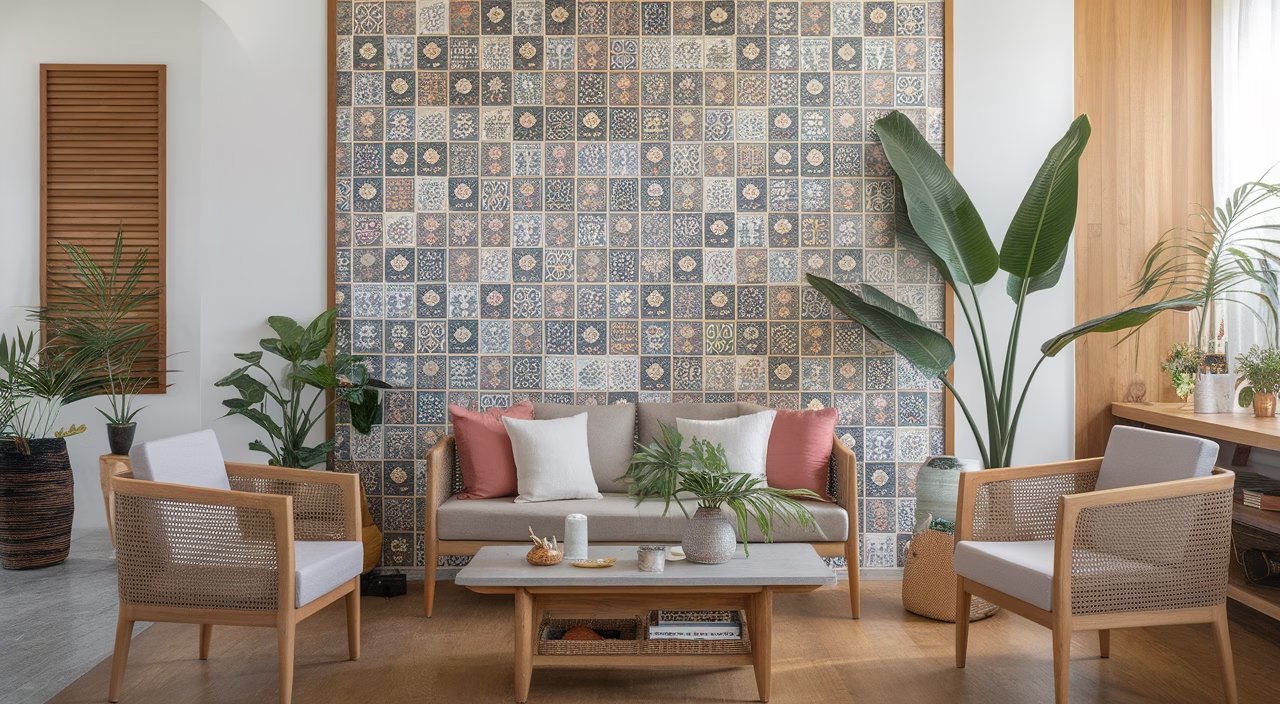
Extend your Peranakan tile inspiration beyond the kitchen to create cohesive design throughout your home:
- Welcoming Entryways: Make lasting first impressions with heritage tiles that greet guests with cultural warmth and artistic sophistication.
- Bathroom Sanctuaries: Frame mirrors, vanities, or shower areas with traditional patterns that transform daily routines into spa-like experiences.
- Dramatic Stair Risers: Create cascading visual interest by featuring different tile patterns on each riser — a classic Peranakan architectural element.
- Living Room Features: Design accent walls behind entertainment centers or reading nooks that add personality and cultural depth.
We recommend using Peranakan tiles as design accents rather than overwhelming entire spaces. Think of them as jewelry for your home — strategically placed to catch the eye and spark conversations.
Cost Guide for Peranakan Tile Installation in Singapore
| Tile Quality | Cost/sqft (SGD) | Suitable For |
|---|---|---|
| Low-End (Printed) | $5 – $8 | Budget renovations, rental units |
| Mid-Range (Replica) | $10 – $18 | Resale flats, modest upgrades |
| High-End (Hand-pressed) | $20 – $50+ | Heritage restorations, feature walls |
Frequently Asked Questions
Are Peranakan tiles suitable for modern home designs?
Absolutely! When paired with neutral cabinetry and clean lines, Peranakan tiles add character without overwhelming modern aesthetics. They function like statement jewelry on a minimalist outfit — providing just the right amount of cultural richness and visual interest to contemporary spaces.
Do Peranakan tiles require special maintenance?
Most modern replicas are surprisingly easy to maintain and built for durability. However, authentic hand-painted varieties benefit from gentle, non-abrasive cleaners and properly sealed grout to preserve their intricate details and vibrant colors over time.
Are Peranakan tiles waterproof for bathrooms and kitchens?
Yes — especially glazed varieties that are specifically designed for wet areas. Just ensure your contractor uses proper sealing techniques during installation, particularly around moisture-prone zones like sinks, showers, and cooking areas.
Can I mix Peranakan tiles with other tile types?
Mixing tile types creates stunning visual contrast and allows you to use Peranakan tiles as strategic accents. Try pairing them with subway tiles, natural stone, or neutral marble to create balanced designs that highlight the heritage patterns without overwhelming your space.
Where can I buy authentic Peranakan tiles in Singapore?
You’ll find both replica and authentic options at specialty tile retailers, antique shops, and dedicated tile ateliers throughout Singapore. We recommend visiting multiple stores to compare quality, pricing, and color accuracy before making your final selection.

