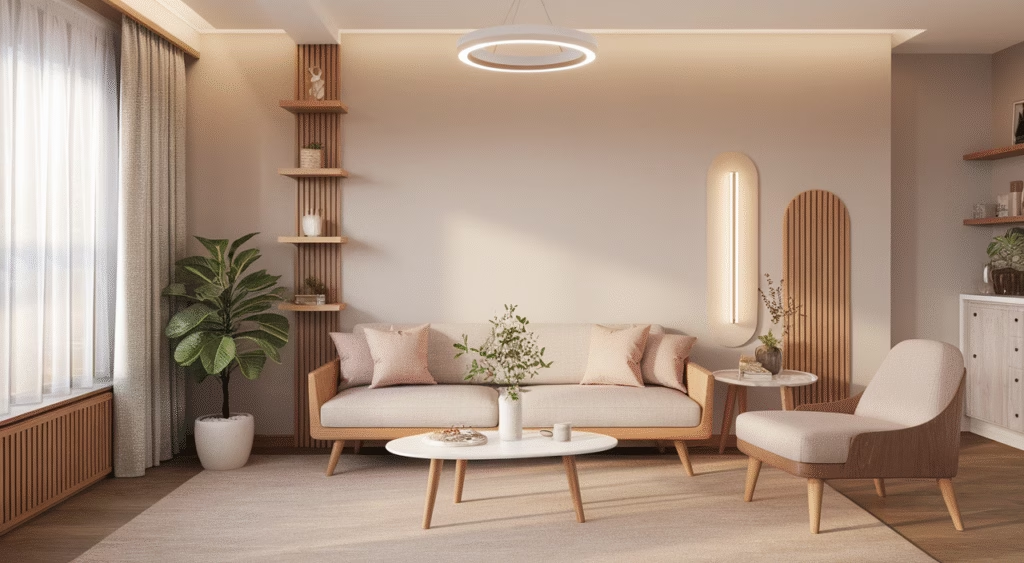
What are the most common HDB interior lighting mistakes — and how can you fix them?
Your HDB flat has incredible potential, but poor lighting design can make even the most beautiful space feel cramped and unwelcoming. The biggest issue we see? Homeowners often treat lighting as an afterthought, not realizing how dramatically it affects both the look and feel of your home. From harsh overhead fixtures to blocked windows, these HDB lighting design mistakes could be making your space feel smaller than it actually is.
- Don’t overlook natural light—it’s free, flattering, and makes rooms feel twice as large.
- Use the right light bulbs—match color temperatures to room functions for optimal comfort.
- Layer your lighting—combine ambient, task, and accent lighting for depth and functionality.
- Choose properly sized fixtures—scale matters more than you think in compact HDB spaces.
- Position lights strategically—eliminate harsh shadows and dark corners that shrink your space.
I. Common Mistakes in HDB Lighting Design
A. Overlooking Natural Light Sources
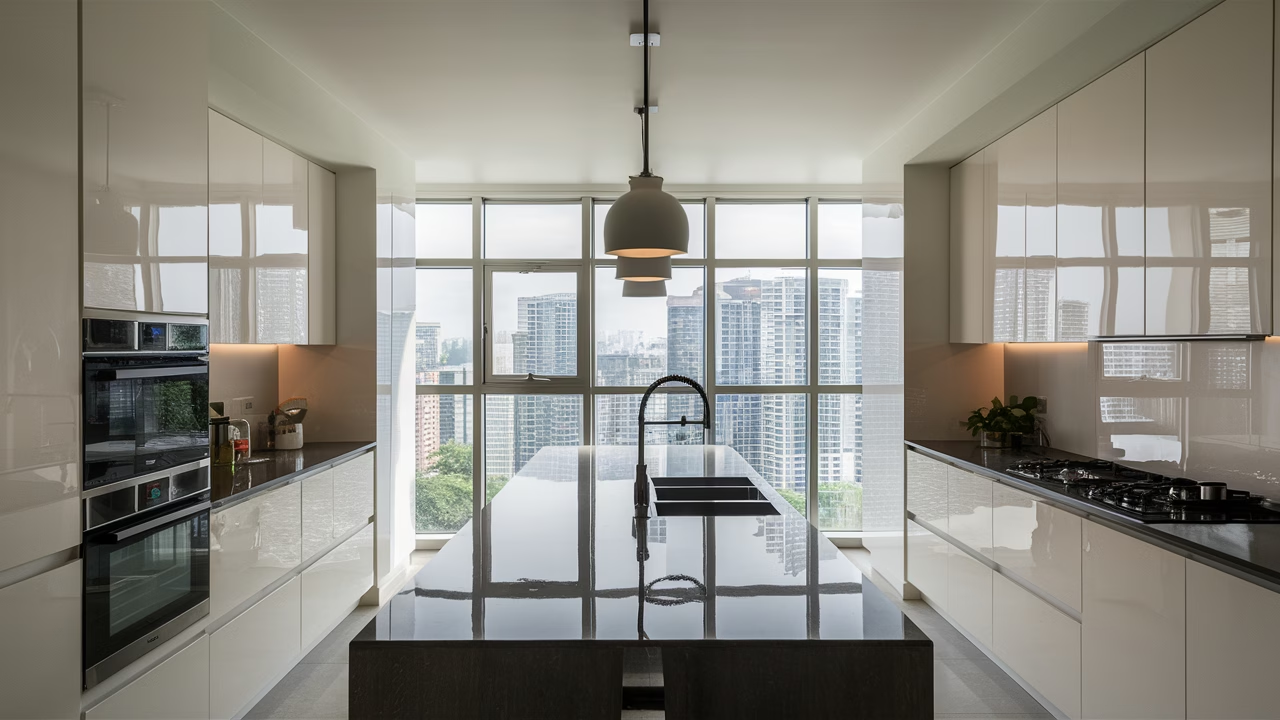
Natural light is your secret weapon for making HDB spaces feel larger and more inviting, yet many homeowners accidentally block it. Heavy curtains, oversized furniture against windows, and cluttered sills all prevent precious daylight from flooding your rooms. This mistake doesn’t just waste free illumination—it makes your flat feel smaller and gloomier than necessary.
We often see bulky sofas positioned directly in front of living room windows or tall wardrobes blocking bedroom light sources. Even keeping thick curtains drawn during the day robs you of Singapore’s abundant natural light. These seemingly small choices compound to create that cave-like feeling in compact HDB interiors.
B. Using Incorrect Light Bulbs
Choosing the wrong color temperature is one of the most common mistakes to avoid in HDB lighting. Warm light (2700K-3000K) creates cozy ambiance perfect for bedrooms and living areas, while cool daylight (4000K-6500K) provides the crisp clarity you need in kitchens and study areas. Using warm bulbs in your bathroom vanity or cool white in your bedroom disrupts both function and comfort.
Color temperature dramatically affects how your space feels and functions. That orange-tinted bulb might seem cozy, but it makes detailed tasks nearly impossible and can make small spaces feel cramped.
C. Ignoring Layered Lighting
Your single ceiling light cannot illuminate every corner, create ambiance, and provide task lighting simultaneously. This is where layered lighting becomes essential for HDB homes. Ambient lighting provides overall illumination, task lighting handles specific activities like reading or cooking, while accent lighting adds depth and highlights your home’s best features.
The best lighting practices for HDB homes always involve combining these three layers. Without proper layering, your rooms feel flat and one-dimensional, with harsh shadows in corners and insufficient light where you need it most.
II. Tips for Improving Your HDB Lighting
A. Maximizing Natural Light
Transform your windows into light-multiplying powerhouses. Replace heavy curtains with sheer panels that maintain privacy while allowing maximum daylight penetration. Position mirrors strategically opposite windows to bounce natural light deeper into your rooms—this simple trick can double your perceived brightness.
Consider your furniture placement carefully. Keep window areas clear and choose reflective surfaces like glossy tiles or light-colored walls to amplify natural light throughout your HDB interior. These changes require no electrical work but dramatically improve your lighting situation.
B. Choosing the Right Fixtures
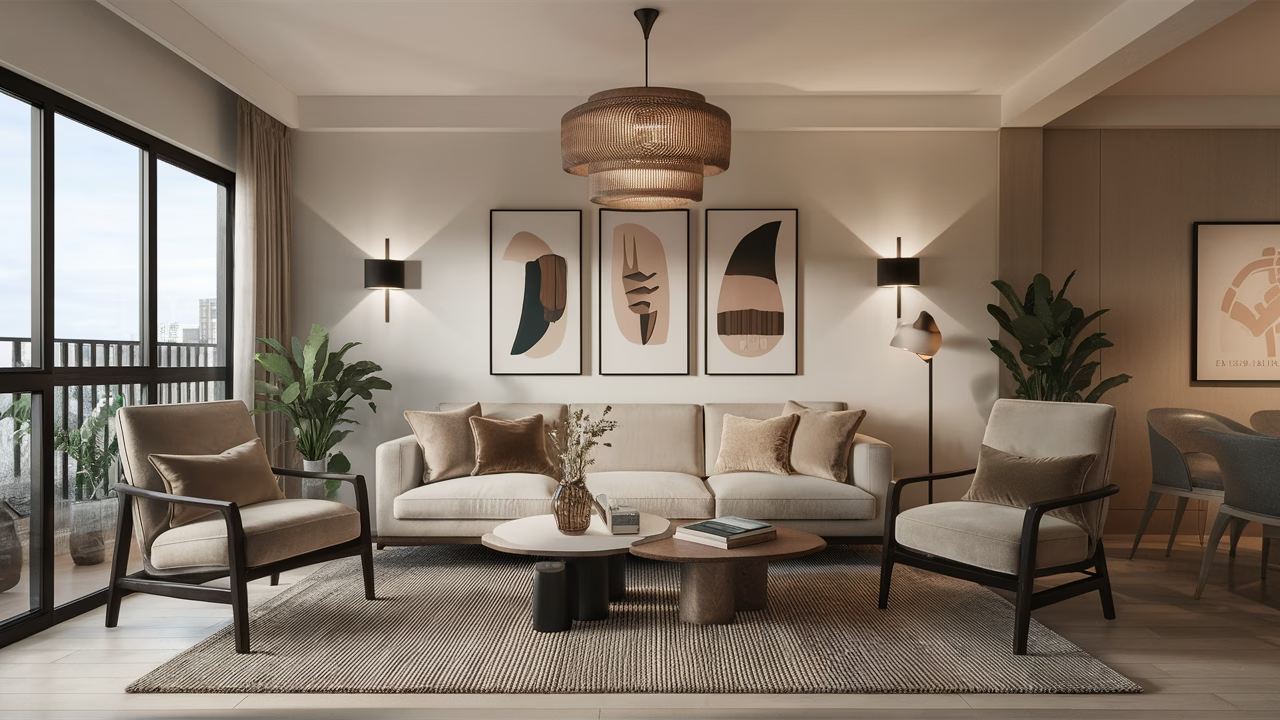
Scale is everything in HDB apartment lighting. A massive chandelier will overwhelm your dining area, while tiny spotlights leave large rooms feeling dim and unwelcoming. Choose flush-mount fixtures for lower ceilings, track lighting for flexible directional control, and pendant lights to define specific areas like dining spaces.
Maintain visual harmony by coordinating metal finishes and design styles across your fixtures. If you have warm wood tones, brass or black fixtures create beautiful cohesion throughout your HDB interior lighting scheme.
C. Creating Ambiance with Different Light Sources
Think of lighting as the mood setter for each space and activity. Dimmable warm LEDs create perfect Netflix-watching ambiance, while bright task lighting over your dining table makes family meals more intimate. Bedside lamps with soft, warm light help you wind down, while bright kitchen lighting keeps you alert during meal prep.
You’re not just illuminating rooms—you’re crafting experiences that support how you actually live in your HDB home.
Cost Guide for HDB Lighting Upgrades
| Lighting Component | Low-End ($) | Mid-Range ($$) | Premium ($$$) |
|---|---|---|---|
| Ceiling Fixtures | 30–80 | 100–200 | 300+ |
| LED Strip Lights | 15–25 | 40–70 | 80+ |
| Task Lights | 20–35 | 50–90 | 100+ |
| Accent Lighting | 25–60 | 70–120 | 150+ |
Final Thoughts: Lighting as Your Home’s Visual Voice
Strategic lighting design transforms how your HDB flat looks, feels, and functions. Whether you’re setting up your first BTO or refreshing your resale home, every lighting choice is an opportunity to make your space feel larger, brighter, and more welcoming. Avoid these common HDB lighting design mistakes and embrace layered, thoughtful lighting that truly supports your lifestyle. When you get the lighting right, your personality and style naturally shine through every corner of your home.
Frequently Asked Questions
How many lighting layers should I have in each room?
Aim for three: ambient, task, and accent. This gives flexibility for different moods and functions.
Can I improve my HDB lighting without electrical rewiring?
Absolutely. Plug-in lamps, LED strips, and smart bulbs let you layer light without major installs.
What is the best lighting for a small HDB bedroom?
Warm white LED lights work well. Add wall-mounted lamps to save space and reduce clutter.
Is daylight or warm light better for the living room?
It depends on use. Daylight for daytime tasks, warm light for evenings and relaxation.
Do all ceiling fixtures need to match in a flat?
Not necessarily, but they should harmonize in style or finish for a cohesive look.
What color temperature is best for kitchens?
Cool white (around 4000K) gives crisp clarity for cooking and cleaning.
How do I reduce harsh shadows in HDB bathrooms?
Use layered lighting with vanity task lights and overhead ambient lighting to soften shadows.

