
How do you fully set up a halal kitchen at home?
To set up a halal kitchen at home, you need to follow a detailed halal kitchen setup guide that includes separating halal and non-halal items, avoiding cross-contamination, using specific utensils and appliances, maintaining stringent hygiene practices, and sourcing certified halal ingredients.
- ✅ Set up clearly divided zones for halal and non-halal to avoid contact.
- ✅ Equip your kitchen with halal-exclusive utensils and appliances to keep meat and dairy—or halal and non-halal—separate.
- ✅ Maintain rigorous cleaning protocols before and after meals.
- ✅ Only purchase ingredients and meat certified by a halal authority to stay compliant.
- ✅ Use this halal kitchen checklist daily to ensure standards are upheld long-term.
Introduction
Creating and maintaining a halal kitchen isn’t just about what you cook; it’s deeply rooted in how you prepare, handle, and store your food. Whether you’re observing halal practices for religious reasons or hosting guests who do, a properly set up halal kitchen is a sign of respect, care, and spiritual commitment.
But let’s face it: Setting up a halal kitchen at home can feel overwhelming. You might ask yourself, “Where do I start? Do I need a second set of everything? What are the risks of cross-contamination?”
This comprehensive halal kitchen setup guide is your helping hand. It walks you through essentials, rules, tools, and real-life solutions to ensuring purity in your kitchen practices—from setup to everyday cooking with the best practices for halal cooking at home.
Why Halal Kitchen Setup Matters
Halal refers to what is permissible or lawful in traditional Islamic law, particularly in relation to food and drink. In the kitchen, this means more than just avoiding pork and alcohol—it’s about ethical food sourcing, maintaining cleanliness, and avoiding anything impure (haram) from coming into contact with halal items.
Here’s why a dedicated halal kitchen setup is important:
- Faith Compliance: Every step of tips for halal food preparation must align with Islamic dietary laws.
- Cross-contamination risks: Shared utensils or poorly cleaned surfaces can accidentally introduce haram elements.
- Trust and Hospitality: If cooking for others—especially Muslim family or guests—you provide comfort and confidence in your kitchen setup.
Halal Cooking Essentials
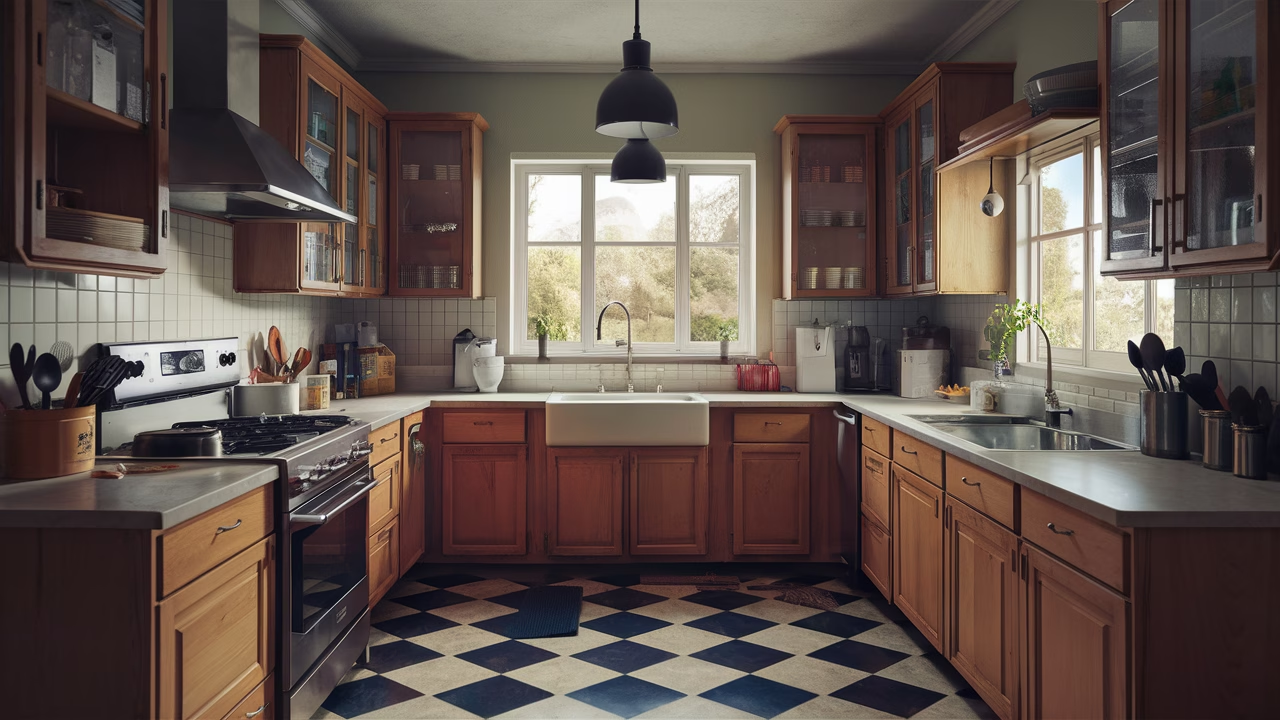
Kitchen Rules for Halal
Think of this as your kitchen oath—the non-negotiables you live by when maintaining halal standards at home:
- Use separate cooking utensils, knives, and cutting boards for halal meats and non-halal items, especially if your household isn’t fully halal.
- Thoroughly wash all tools and surfaces that have come into contact with non-halal food using soap and hot water.
- All meat and animal products must come from animals slaughtered in accordance with halal practices.
- No alcohol-infused ingredients, even if heat supposedly “burns off” the alcohol content.
Halal Kitchen Hygiene Practices
In real life, things get messy—between busy schedules and cooking for a full house, shortcuts can happen. But when you’re maintaining halal standards at home, spiritual cleanliness mirrors physical cleanliness.
Here’s your hygiene baseline for effective halal food preparation:
- Wash hands with soap before touching food.
- Disinfect countertops before and after preparing meals.
- Sweep and mop floors regularly to avoid buildup of bacteria or food residue.
- Use color-coded cloths and boards to differentiate between meat, vegetables, and seafood.
Tools and Equipment for Halal Kitchen
Must-Have Utensils and Appliances
Every good mechanic needs the right tools, and so does every halal cook. Follow this halal kitchen equipment recommendations checklist:
| Item | Purpose | Halal Use Tips |
|---|---|---|
| Separate Cutting Boards | For meat, veg, seafood | Use color-coded types |
| Two Sets of Utensils | Cooking halal and non-halal food | Label each set clearly |
| Halal Meat Thermometer | Cooking meat to safe levels | Helps avoid contamination via undercooking |
| Dedicated Fridge Section | Storing halal items only | Seal and label containers |
If your kitchen must serve both halal and non-halal meals, create visual zones with color-coded containers or labels to help remind yourself and others to avoid improper overlap. Even an overlooked frying pan can compromise purity if it’s used for non-halal meals and not properly cleansed according to your halal kitchen setup guide.
Tips for Effective Halal Food Preparation
Avoiding Cross-Contamination
This is the #1 concern for most home cooks following best practices for halal cooking at home. Cross-contamination is like a silent saboteur—it takes only one slip with a knife or a cutting board to render halal food impure. Here’s what to do:
- Wipe counters between tasks using antibacterial halal-friendly products.
- Cook halal items first if sharing appliances or ovens with other foods.
- Deep-clean grills or oven trays after contact with non-halal food.
- Use parchment paper to protect oven surfaces during baking.
Sourcing Halal Ingredients
This may sound easy—just buy halal-labeled meat, right? But it’s not always that straightforward. Consider these tips for halal food preparation:
- Inspect meat labels for certification from a recognized halal authority.
- Avoid items with questionable additives or emulsifiers derived from non-halal sources.
- Watch out for gelatine, rennet, and food coloring—not all are halal.
- For packaged goods, look out for alcohol-based flavor extracts or preservatives.
Pro-tip: Build relationships with trustworthy grocers who understand halal standards—having a reliable source streamlines your cooking process significantly and supports your overall halal kitchen setup guide.
Maintaining Halal Standards at Home
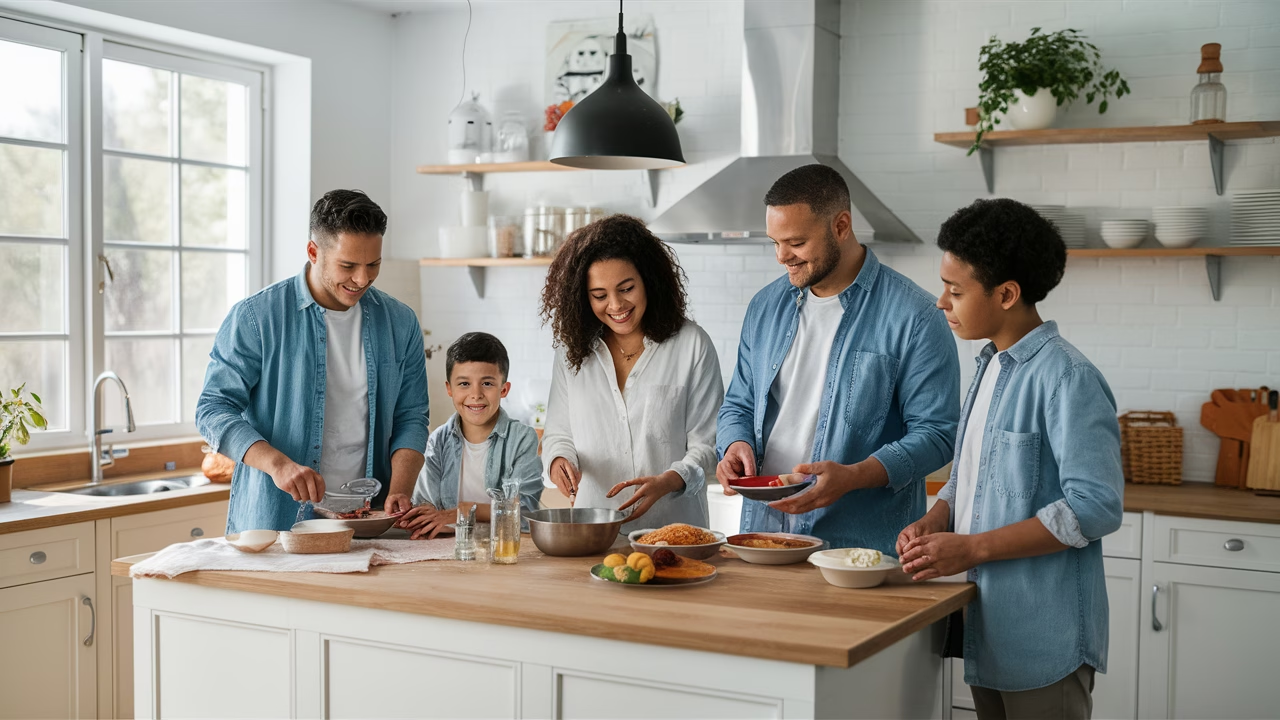
Creating a Halal-Friendly Environment
Think long game: consistency over perfection. You don’t need a luxury remodel to achieve best practices for halal cooking at home—it’s about intentional design and everyday commitment. Consider the following tactics:
- Label everything: containers, utensil drawers, spice racks. Visual cues reduce mistakes.
- Educate the household: even non-Muslim members can support compliance when they understand the significance.
- Declutter regularly: expired or questionable-neglect items creep in over time.
- Install a whiteboard checklist for quick reminders like, “Sanitize cutting boards” or “Check meat labels.”
Over time, the routines become second nature. You’ll notice a smoother workflow and greater peace of mind every time you follow your halal kitchen setup guide for daily cooking.
Cost Guide: How Much Does Setting Up a Halal Kitchen Cost?
Let’s talk money. Setting up or upgrading a halal kitchen with proper halal kitchen equipment recommendations can range from affordable tweaks to more specialized investments.
| Budget Range | What You Get |
|---|---|
| Low-End ($50–150) | Separate cutting boards, labels, halal meat thermometer |
| Mid-Range ($150–500) | Two sets of cookware/utensils, storage solutions, basic appliances |
| High-End (Over $500) | Dedicated appliances (oven or fridge), built-in cabinet zones, meat grinder |
Conclusion
Establishing a halal kitchen at home using this halal kitchen setup guide is more than a checklist—it’s a mindful journey towards aligning your cooking space with your values. With every sanitized utensil and carefully sourced ingredient, you reaffirm your commitment to living and feeding with integrity.
By setting clear rules, practicing hygiene, sourcing with intention, and involving your household in maintaining halal standards at home, a truly halal kitchen isn’t just possible—it’s sustainable. And remember, you don’t have to make every change overnight. Even one small improvement today steers your kitchen closer to being a fully halal, spiritually enriched space with the best practices for halal cooking at home.
Frequently Asked Questions
What are the kitchen rules for halal?
Halal kitchen rules include avoiding cross-contamination, using separate utensils for halal and non-halal items, thorough cleaning, and ensuring all ingredients are certified halal and alcohol-free.
Can I convert my current kitchen into a halal kitchen?
Yes. Start by eliminating haram items, thoroughly deep-cleaning surfaces and utensils, and reorganizing with new halal-dedicated zones and tools.
Is it okay to use the same fridge for halal and non-halal?
Yes, as long as raw halal items are sealed, labeled, and stored separately. A designated halal shelf is best.
How do I clean utensils that previously touched non-halal foods?
Scrub thoroughly with soap and hot water. Some prefer boiling to ensure that any residue is fully removed.
Can I eat at a home where the kitchen isn’t halal?
It’s a personal choice. Many prefer caution unless full control over preparation and sourcing is ensured.
Why is cross-contamination in a halal kitchen so serious?
Because even trace amounts of a haram substance like pork or alcohol can spiritually invalidate otherwise halal food.
What type of cutting board should I use for halal cooking?
Use a non-porous cutting board like plastic, and color-code it exclusively for halal meat to avoid mix-ups.

