
As an interior designer and home organization expert, I have witnessed countless homeowners grapple with the challenge of limited space, particularly in the bathroom. It is a common dilemma: how do we create a functional, aesthetically pleasing, and uncluttered environment when square footage is at a premium? Often, the traditional towel rod, while seemingly a staple, becomes an inefficient use of precious wall space, especially in smaller bathrooms. This is where the ingenious concept of towel rack conversion comes into play, offering a pragmatic and stylish solution.
Many of us are looking for smarter ways to manage our everyday essentials, and bathroom towels are no exception. Moving beyond the bulky towel rod opens up a world of possibilities for vertical organization and streamlined aesthetics. My goal is to empower you with the knowledge and confidence to undertake these transformative DIY projects, ensuring your bathroom not only looks better but also functions far more effectively. We will dive deep into various methods, from repurposing existing fixtures to selecting the perfect new hooks, all designed to maximize every inch of your bathroom.
Are You Looking for DIY Towel Hook Ideas for Small Bathrooms to Maximize Space?
Absolutely! If you are a homeowner striving to optimize every inch of your compact bathroom, then delving into DIY towel hook ideas for small bathrooms is precisely the strategic move you need. We are here to guide you through effective towel rack conversion methods, transforming your bathroom into a more functional, aesthetically pleasing, and supremely organized sanctuary with smart, space-saving solutions.
The quest for a perfectly organized and spacious bathroom is universal, especially for those navigating the constraints of limited square footage. The conventional towel rod, while serving its basic purpose, often falls short in terms of space efficiency and versatile storage. Our approach is holistic: combining practical DIY techniques with an eye for design, ensuring that your bathroom transformation is both functional and visually appealing. We will walk through the nuances of selecting the right hardware, understanding installation methods, and even conceptualizing how these small changes can significantly impact your daily routine and overall bathroom experience. This is about more than just hanging towels; it is about reclaiming your space and infusing it with thoughtful organization.
Maximizing Bathroom Space with Smart Towel Rack Conversion
One of the most impactful changes you can make in a compact bathroom is re-evaluating your towel storage. Traditional towel rods often occupy a significant horizontal stretch of wall, leaving little room for other necessities. By embracing towel rack conversion, you unlock vertical space, allowing for more efficient bathroom organization. This strategy is particularly effective in small bathrooms where every square inch counts, turning potential clutter zones into neat, accessible storage areas. The shift from a lengthy bar to individual or clustered hooks not only saves physical space but also creates a visual sense of openness, making the room feel larger and less constrained.
The beauty of this conversion lies in its simplicity and profound impact. Imagine replacing a single 24-inch towel bar with three strategically placed hooks. You have immediately created three distinct hanging points, capable of holding more towels or even diversifying their use for robes and other items, all while utilizing less linear wall space. This is a fundamental principle of effective small-space design: vertical solutions over horizontal sprawl. Furthermore, hooks often allow towels to dry more quickly due to less contact area, which is a practical benefit in humid bathroom environments. As we delve deeper, you will discover the various approaches to this conversion, tailored to suit different skill levels and design preferences.
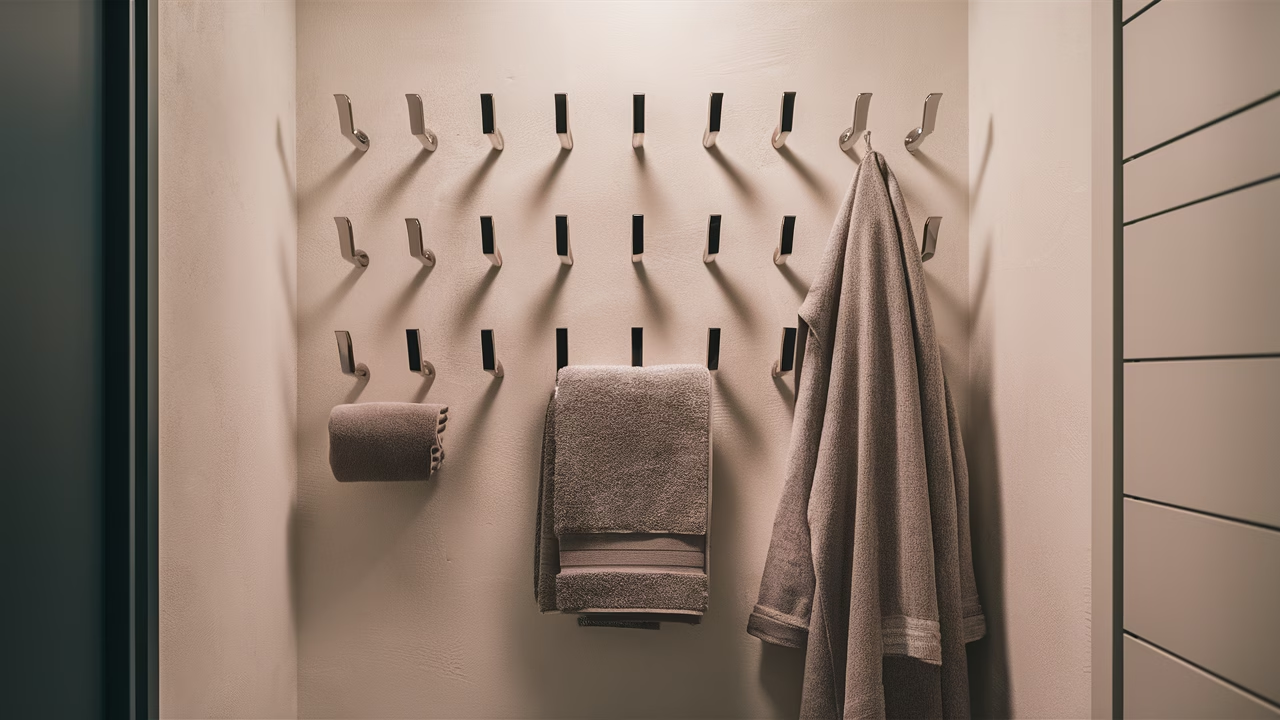
Repurposing Towel Racks for Enhanced Efficiency
The idea of repurposing towel racks is not merely about replacing one fixture with another; it is about innovative problem-solving and making the most of what you already have or the space left behind. One common scenario involves an existing towel rod that no longer serves its purpose efficiently. Instead of simply discarding it, consider how its mounting points can be utilized. If your existing towel bar is mounted with two brackets, removing the bar itself often leaves you with perfectly spaced holes ready for a new set of hooks. This method is incredibly straightforward and minimizes patching and painting, making it a truly DIY-friendly approach to towel rack conversion. You are essentially using the ‘bones’ of the old fixture to support a new, more efficient system.
Alternatively, if the existing towel rod is securely mounted but you want to add hooks without full removal, assess if the bar itself can accommodate clip-on or over-the-bar hooks. While not a complete conversion, this offers a quick upgrade for additional hanging points without any drilling. For a more transformative change, consider removing the entire towel bar assembly. Once removed, you might find that the existing screw holes are perfectly spaced for a multi-hook rail, or individual hooks can be strategically placed to cover previous damage. This approach allows for greater flexibility in design and positioning, aligning with our goal of creative ways to repurpose towel racks in bathrooms. Always ensure you have the right tools: a screwdriver for removal, a measuring tape, a pencil for marking, a drill with appropriate bits for new holes, and a level to ensure straight installation. Before starting, check your wall type – plaster, drywall, or tile – as this will dictate the type of anchors and drill bits needed. Taking the time to patch and smooth any old holes is also crucial for a polished, professional finish, turning a former eyesore into a feature of meticulous bathroom organization.
Choosing the Ideal Robe Hooks for Your Aesthetic and Needs
Selecting the right robe hook is a critical step in a successful towel rack conversion, influencing both the functionality and the overall aesthetic of your bathroom. With an abundance of options available, consider several key factors to ensure your choice aligns with your home’s style and your practical needs. Firstly, material matters significantly for durability and maintenance. Stainless steel is a popular choice due to its resistance to rust and corrosion, making it ideal for humid bathroom environments, and it offers a sleek, modern look. Brass provides a more classic or traditional feel, often developing a beautiful patina over time, while chrome offers a shiny, contemporary finish that is easy to clean. For a warmer, more natural touch, consider hooks crafted from treated wood, ensuring they are sealed to withstand moisture. Avoid untreated materials that can warp or degrade quickly in a bathroom.
Beyond material, contemplate the design and mounting style. Do you prefer single hooks, double hooks for more hanging capacity, or perhaps a multi-hook rail? Single hooks offer flexibility in placement, allowing you to scatter them as needed, which is excellent for creative ways to repurpose towel racks in bathrooms. Double hooks are efficient for maximizing hanging space in a compact area. Concealed mounting hardware, where the screws are hidden, provides a cleaner, more minimalist appearance, appealing to those who prefer uncluttered lines. Adhesive hooks offer a no-drill solution, perfect for renters or those hesitant about wall damage, but always check their weight capacity. Over-the-door hooks are another fantastic space-saving solution, utilizing otherwise wasted real estate. Finally, ensure the finish of your chosen hooks complements your existing bathroom fixtures, such as faucet handles and cabinet pulls. A cohesive design contributes significantly to the sophisticated and organized feel you are aiming for, transforming simple utility into an element of thoughtful design.
A Step-by-Step Guide to DIY Towel Hook Installation
Successfully performing a towel rack conversion and installing new hooks in your bathroom is a gratifying DIY project that significantly enhances bathroom organization. This detailed guide will walk you through the process, ensuring you know exactly how to install robe hooks in place of towel bars with confidence and precision.
1. Preparation and Removal of the Old Towel Bar:
- Gather Tools: You will need a screwdriver (flathead or Phillips, depending on your existing hardware), a putty knife, spackle or drywall compound, fine-grit sandpaper, a cloth, and cleaning spray.
- Remove the Towel Bar: Most towel bars are mounted with screws hidden under decorative caps or set screws. Gently pry off any caps or loosen set screws with an Allen wrench. Unscrew the mounting brackets from the wall. Carefully remove the entire assembly.
- Clean and Prepare the Wall: Once the old bar is removed, clean the area thoroughly. Use the putty knife to apply spackle to any existing holes or minor damage. Allow it to dry completely, then sand smooth until flush with the wall surface. Wipe away dust with a damp cloth. You may need to touch up paint to match the surrounding wall, ensuring a seamless finish for your new hooks.
2. Planning and Marking for New Hooks:
- Determine Placement: Consider the height and spacing for your new hooks. Typically, hooks are installed around 60-72 inches from the floor, but adjust based on user height and aesthetic preference. Space hooks roughly 6-12 inches apart to allow towels to hang and dry without bunching.
- Mark Mounting Points: Hold your chosen hook (or a template if provided) against the prepared wall. Use a pencil to mark the precise locations for drilling. Use a level to ensure your marks are perfectly straight, especially if installing multiple hooks in a row. Accuracy here is crucial for a professional look.
3. Drilling and Mounting the Hooks:
- Select the Right Drill Bit: Your choice of drill bit depends on your wall material (drywall, plaster, tile) and the type of anchors you are using. For drywall, a smaller bit for pilot holes for screws, or a larger bit for self-drilling anchors, might be necessary. If drilling into tile, use a specialized tile bit and proceed slowly, using painter’s tape to prevent slipping.
- Drill Pilot Holes: Carefully drill pilot holes at your marked spots. Ensure the depth matches the length of your screws or anchors. If using wall anchors (highly recommended for stability in drywall), insert them now, tapping gently with a hammer if needed, until flush with the wall.
- Install the Hooks: Align the hook’s mounting plate with the drilled holes. Insert the screws and tighten them securely with a screwdriver. Do not overtighten, especially if using plastic anchors, as this can strip the threads or damage the wall. If your hooks have concealed mounting, attach the base plate first, then secure the decorative hook cover.
4. Final Checks:
- Test Stability: Give each hook a gentle tug to ensure it is firmly attached to the wall.
- Clean Up: Wipe away any pencil marks or debris, and admire your newly organized space!
By following these steps, you will not only achieve a flawless installation but also significantly contribute to the functional elegance of your bathroom, making your towel rack conversion a resounding success.
Creative Ideas for Bathroom Organization Beyond Just Towels
While the primary focus of towel rack conversion is, naturally, on towels, the strategic placement of hooks opens up a myriad of creative ways to repurpose towel racks in bathrooms for much more expansive bathroom organization. As an expert in maximizing utility and style, I encourage homeowners to think beyond the obvious. Your newly installed hooks are versatile tools for decluttering and enhancing functionality throughout the space. Consider using a sturdy hook near the shower for hanging bathrobes, allowing them to air dry properly and reducing laundry pile-up. This simple addition keeps your robe off the floor and easily accessible, a true space-saving solution.
Hooks can also be invaluable for organizing personal care items. Hang mesh bags or small caddies from hooks to store loofahs, scrubbing brushes, or even frequently used hair accessories. This keeps these items off the shower floor or vanity countertop, preventing mildew and freeing up surface space. In a small bathroom, vertical storage is paramount. Dedicate a hook for a small, lightweight cleaning caddy, making it easy to grab and put away cleaning supplies. For families, individual hooks for each member, perhaps color-coded or labeled, can bring order to multiple bath towels and personal items, teaching valuable organization habits. Even small handbags or toiletry bags can find a temporary home on a hook, keeping them off the floor and preventing tripping hazards. Think about the unused vertical space behind the bathroom door; a series of hooks here can provide discreet storage for pajamas, laundry bags, or even extra rolls of toilet paper in a decorative holder. By viewing hooks as multipurpose organizational tools, you transform your bathroom from a mere functional space into a well-curated environment that supports efficient living and maintains its aesthetic appeal.
Strategic Placement: Enhancing Bathroom Flow with Towel Hooks
The true genius of effective bathroom organization, especially in compact spaces, lies not just in what you install, but where you install it. Strategic placement of your newly converted towel hooks or robe hooks is paramount to enhancing the overall flow, accessibility, and functionality of your bathroom. As an interior designer, I emphasize ergonomics and intuitive design; items should be within easy reach when needed and tucked away neatly when not. For towels used after a shower, placing hooks directly adjacent to the shower enclosure or bath is a sensible, practical choice. This prevents water drips across the floor and ensures a dry towel is always within arm’s reach, minimizing movement in a potentially slippery environment.
Consider the varying heights of users in your household. If children will be using the hooks, a lower placement for their towels can foster independence and encourage tidiness. For adult robes or bath sheets, a higher hook ensures they hang freely without dragging on the floor or touching the toilet. Similarly, when utilizing hooks for hand towels near the sink, ensure they are positioned conveniently without obstructing mirror access or cabinet doors. Avoid placing hooks directly behind an opening door if possible, as this can lead to items being crushed or blocking entry. Instead, utilize the unused wall space beside the sink, or even a small, decorative hook on the side of a vanity if it is sturdy enough. By visualizing the common pathways and activities within your bathroom, you can intuitively determine the most logical and efficient spots for each hook, turning your towel rack conversion into a design decision that actively improves daily routines. This thoughtful approach to placement ensures that every item has its designated home, contributing to a sense of calm and order that defines truly exceptional space-saving solutions.
Maintaining Your Transformed Bathroom for Lasting Organization
Completing a towel rack conversion and implementing new towel hook ideas for small bathrooms is a significant step towards better bathroom organization. However, the longevity and sustained efficiency of these space-saving solutions depend heavily on proper maintenance and consistent habits. As a home organization expert, I always advise clients that organization is not a one-time event, but an ongoing practice. Firstly, the cleaning and care of your hooks will vary based on their material. Stainless steel and chrome hooks are generally easy to wipe down with a damp cloth and mild cleaner to prevent water spots and soap scum. Brass hooks may require specific brass cleaner to maintain their luster or allow for a desired patina to develop naturally. Wooden hooks should be wiped dry regularly to prevent moisture damage and treated occasionally with a wood conditioner to preserve their finish. Avoiding harsh abrasive cleaners is crucial, as they can scratch surfaces and strip protective coatings, diminishing the aesthetic appeal you worked hard to achieve.
Beyond cleaning, regular checks for the stability of your mounted hooks are essential. Over time, constant use or heavy items can loosen screws or wall anchors. A quick check every few months, gently wiggling the hook, can help you identify any loosening before it becomes a problem. Retighten screws as needed, or if an anchor feels compromised, consider reinforcing it or replacing it with a more robust option. Encourage good habits among household members: ensuring towels are hung properly (not bunched up), and avoiding overloading hooks beyond their weight capacity. This not only preserves the hooks themselves but also allows towels to dry more effectively, preventing mildew and unpleasant odors. By establishing a routine of care and mindful use, your newly organized bathroom will continue to function beautifully and look impeccable, serving as a testament to the lasting power of well-executed DIY projects and thoughtful design choices.
Elevating Your Bathroom’s Style: The Aesthetic Appeal of Towel Hook Conversion
Beyond the undeniable practicality and improved bathroom organization that comes with a successful towel rack conversion, lies a significant, often underestimated, benefit: enhanced aesthetic appeal. As an interior designer, I view every functional choice as an opportunity to elevate the overall design narrative of a space. Replacing bulky towel rods with sleek, individual towel hooks or a minimalist rail dramatically alters the visual landscape of a small bathroom, contributing to a more curated and sophisticated ambiance. The streamlined silhouette of hooks reduces visual clutter, making the walls appear cleaner and the room feel more open and airy. This is particularly crucial in compact environments where every element contributes to the perception of space.
Consider the design choices available in modern hooks. From matte black finishes that offer a contemporary edge, to brushed nickel for a soft, understated elegance, or even unique artisanal hooks that serve as small decorative accents, the options are vast. Selecting hooks that complement your existing bathroom hardware – faucets, cabinet pulls, and light fixtures – creates a cohesive and intentional design. This attention to detail speaks volumes about your approach to home styling. For instance, in a farmhouse-inspired bathroom, rustic iron hooks can beautifully tie into the aesthetic, while in a minimalist design, concealed-mount chrome hooks maintain clean lines. The beauty of DIY towel hook ideas for small bathrooms is that they allow for personalization. You can mix and match styles, or create unique groupings that are both functional and artistic. This small change allows you to inject personality and reflect your design sensibilities without undertaking a full renovation. Ultimately, a well-executed towel rack conversion is more than just a space-saving solution; it is a design statement that transforms a utilitarian necessity into a beautiful, integral part of your bathroom’s stylish identity.
Final Thoughts on Embracing Your Newly Organized Bathroom
Embarking on a towel rack conversion journey and implementing DIY towel hook ideas for small bathrooms is one of the most effective and rewarding home improvement projects you can undertake. As we have explored, the benefits extend far beyond simply hanging towels; they encompass a holistic approach to enhancing functionality, improving aesthetics, and instilling a lasting sense of calm and order in your personal sanctuary. From the detailed step-by-step guidance on how to install robe hooks in place of towel bars, to uncovering creative ways to repurpose towel racks in bathrooms for a myriad of organizational needs, the transformation is truly within your reach.
Remember, the goal is to create a bathroom that works smarter for you. By choosing the right hooks, strategically placing them for optimal flow, and maintaining them with care, you are investing in a living space that truly reflects thoughtful design and efficient living. This dedication to clever bathroom organization is not just about decluttering; it is about creating a more enjoyable, stress-free environment that maximizes every precious inch. So, take the plunge, embrace these space-saving solutions, and revel in the profound satisfaction of a beautifully organized and highly functional bathroom that stands as a testament to your expert touch.

