Why Should You Pre-Wire Your Home for EV Charging?
Picture this: you’ve just brought your electric vehicle home, but there’s no convenient way to charge it. Sound familiar? Many homeowners overlook EV charging infrastructure until it’s too late.
Pre-wiring for EV charging ensures your home is ready to meet both current and future demand. It’s a simple step with sustainable living and practical benefits—offering time-saving advantages and cost-efficiency as electric vehicle usage continues to surge across neighborhoods.
TL;DR Summary
- Future-Proofing: Installing pre-wiring for EV charging protects your home from costly retrofits later.
- Cost Efficient: Cost-effective pre-wiring for EV during new builds or renovations is cheaper than modifying later.
- Versatile Setup: Works for single-family homes, garage setups, townhomes, and multifamily properties.
- Expert Guidance: This guide offers a step-by-step walkthrough, choosing right EV charging equipment tips, and real homeowner examples.
- Sustainable Living: Preparing your home promotes cleaner energy habits and aligns with environmental goals.
Understanding the Need for Pre-Wiring for EV Charging
EV charging isn’t just a trend—it’s the backbone of transportation’s sustainable future. With the rise of electric vehicles, having charging infrastructure at home or in shared buildings like townhomes and multifamily properties is becoming less a luxury and more a necessity to meet future demand.
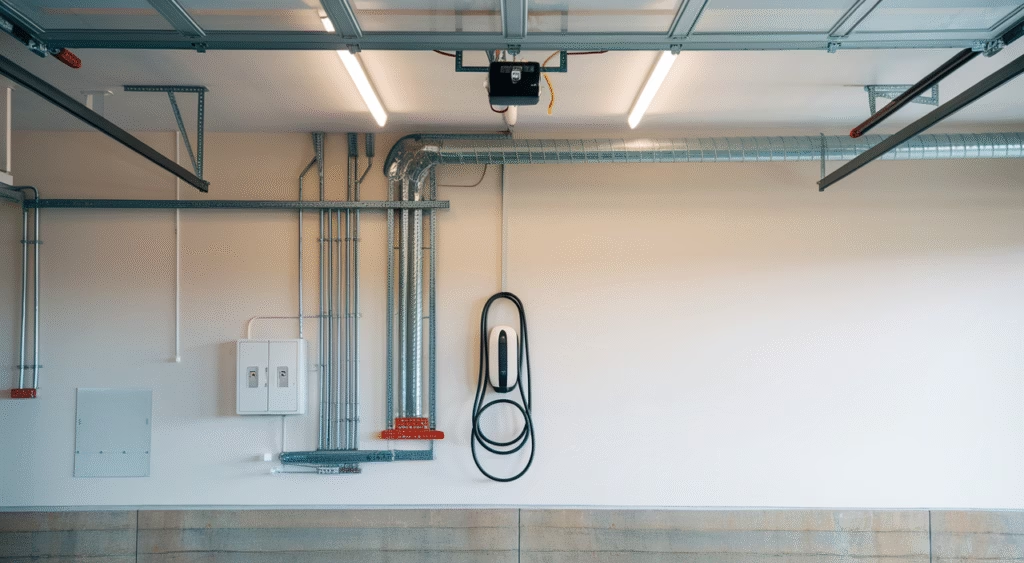
So, what does “pre-wiring for EV charging” mean? It refers to installing the necessary electrical infrastructure—conduit, breakers, and wiring—so you can easily set up an EV charger when you’re ready. Think of it as laying the foundation before moving in the furniture. Whether you’re building new or remodeling an existing home, adding this early layer prepares your space for future electric vehicle adoption.
The best part? You rarely notice the wiring once it’s installed—yet it gives you peace of mind knowing your home is EV-ready for installing EV charger at home.
And when sustainable living is top of mind, planning your infrastructure now means fewer emissions, lower electricity loss, and smarter power use. It’s a small step with a powerful environmental payoff.

Step-by-Step Guide to Pre-Wiring Your Home for EV
Let’s roll up our sleeves and dive into the steps you need for cost-effective pre-wiring for EV. Whether you’re a new homeowner, an electrician helping out, or part of an HOA board considering upgrades, these steps make EV charging installation planning clear.
1. Determine Your Needs and Goals
- Will you be charging one vehicle or more?
- Do you plan to get a faster Level 2 charger?
- Will the charger live in a garage, or outside near a driveway?
2. Assess Electrical Loads
A licensed electrician can help calculate your panel’s capacity for EV charging. Most Level 2 chargers need a 240-volt outlet with a minimum 40-amp circuit.
3. Run the Right Conduit
Use rigid PVC conduit or metal conduit to create the channel for future wiring. It should run between your home’s electrical panel and your intended EV charging location.
4. Install the Junction Box
The end of your conduit should terminate near where the EV charger will mount. Protect it with a weatherproof enclosure (outdoors) or a recessed electrical box if inside the garage.
5. Label Everything
Ensure that your panel, conduit, and junction points are clearly labeled “EV Ready” for future use when installing EV charger at home.
6. Don’t Forget Permits
Check local building codes. Pre-wiring for EV charging work may still require permits and inspections depending on your city or town regulations.
Essential Equipment for Efficient Home EV Charging
While pre-wiring sets the stage, you’ll eventually need choosing right EV charging equipment. Let’s break it down:
| Component | Description | Why It Matters |
|---|---|---|
| 240V Outlet | Delivers enough voltage for Level 2 EV charging. | Faster charging times—typically 4–8 hours for a full charge. |
| Dedicated Breaker | Separate circuit from the main panel. | Ensures safe, uninterrupted power for the EV charger. |
| Universal Mount | Wall-mounted charger holder. | Keeps cords tidy and protects from damage. |
| Smart Monitoring | Connectivity to track power use via app. | Encourages sustainable living through energy efficiency. |
When in doubt, speak with an electrician about choosing right EV charging equipment based on your vehicle and energy habits to meet future demand.
Real-Life Examples of Successful EV Charging Installations
One homeowner in a suburban townhome installed pre-wiring for EV charging during renovation. They ran conduit from the basement panel through the garage, kept the breaker unused, and added an “EV Ready” sticker for clarity. Two years later, when they acquired an EV, installing EV charger at home took under 2 hours and cost 60% less than retrofitting.
In a multifamily property, the homeowners’ association coordinated cost-effective pre-wiring for EV for eight future EV units. By grouping labor and material costs, each unit owner saved hundreds—and the building is now marketing itself as “EV-Friendly” to meet future demand.
These scenarios show how forward-thinking today leads to smoother sustainable living adoption tomorrow.
Cost Guide: What You Can Expect to Spend
| Installation Component | Low-End | Mid-Range | High-End |
|---|---|---|---|
| Pre-wiring Labor | $200 | $400 | $800+ |
| Conduit & Box | $50 | $100 | $200+ |
| Permit & Inspection | $0 | $80 | $200 |
| Total Estimated Cost | $250 | $580 | $1,200 |
Benefits of Sustainable Living Through EV Adoption
Sure, EVs are quiet and reduce gas station trips. But when you’ve got home-based EV charging powered by pre-wired infrastructure, the sustainable living and lifestyle perks multiply:
- Lower Emissions: Using grid or solar power for EV charging cuts carbon output dramatically.
- Convenience: Charging overnight means no midday range anxiety.
- Savings: Avoid peak-time gas prices and take advantage of off-peak electric rates.
- Increased Resale Value: Homes with EV charging infrastructure already installed become more attractive to buyers.
- Cleaner Neighborhoods: With more townhomes and buildings going green, EV readiness helps meet future demand.
Frequently Asked Questions
How do I prepare my garage for EV charging?
Start by running conduit from your main panel to the garage wall where the vehicle will park. Leave enough slack and install a junction box for future use. Label the panel and ensure the dedicated breaker space is allocated for EV charging installation.
Can I pre-wire if my electrical panel is full?
You may need to upgrade the panel or install a sub-panel for EV charging. Consult a qualified electrician to assess capacity and feasibility based on your current service load and future demand.
What’s the best location for an EV charging point?
Typically, the best spot for installing EV charger at home is inside your garage on the wall closest to your parked vehicle’s charge port. Outdoor setups need weatherproof coverings and accessible conduit routing.
What’s cheaper—installing during construction or after?
Definitely during construction. Cost-effective pre-wiring for EV saves on labor, wall repairs, and inspection costs. It’s often up to 50% cheaper than retrofitting.
Is pre-wiring worth it if I don’t have an EV right now?
Absolutely. If you’re planning renovations or new construction, laying conduit and wiring now for EV charging saves inconvenience, money, and prepares you to meet future demand.
What about multifamily units or townhomes?
Pre-wiring for EV charging in shared buildings requires communication with property managers or HOAs but is often feasible and financially split between residents for sustainable living goals.
Does EV charging increase my electricity bill?
EV charging does use electricity, but it’s generally much cheaper than gas. You can monitor usage and set charging to off-peak times for better rates and more sustainable living.