How to create a stylish and functional handicap-accessible living room?
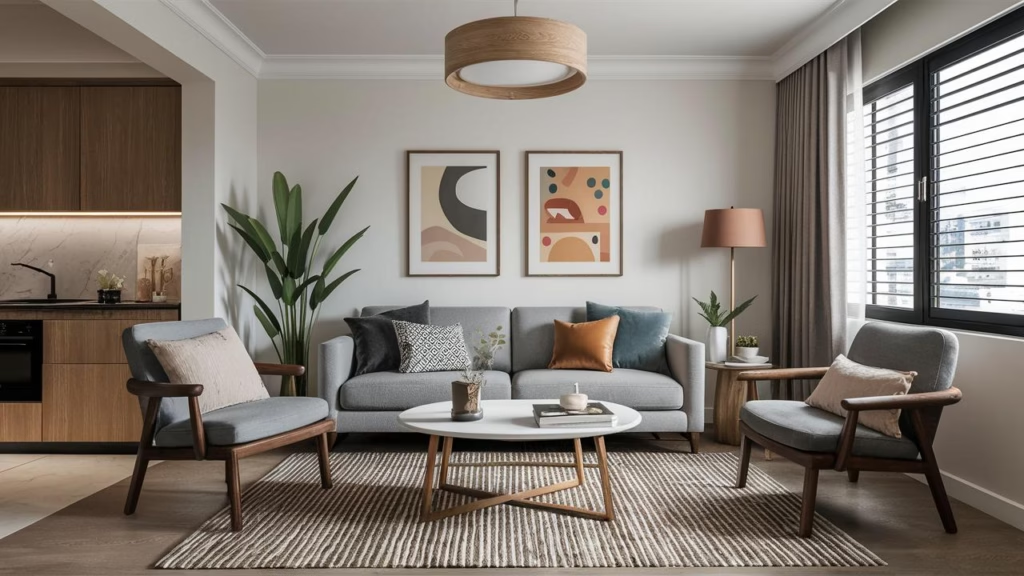
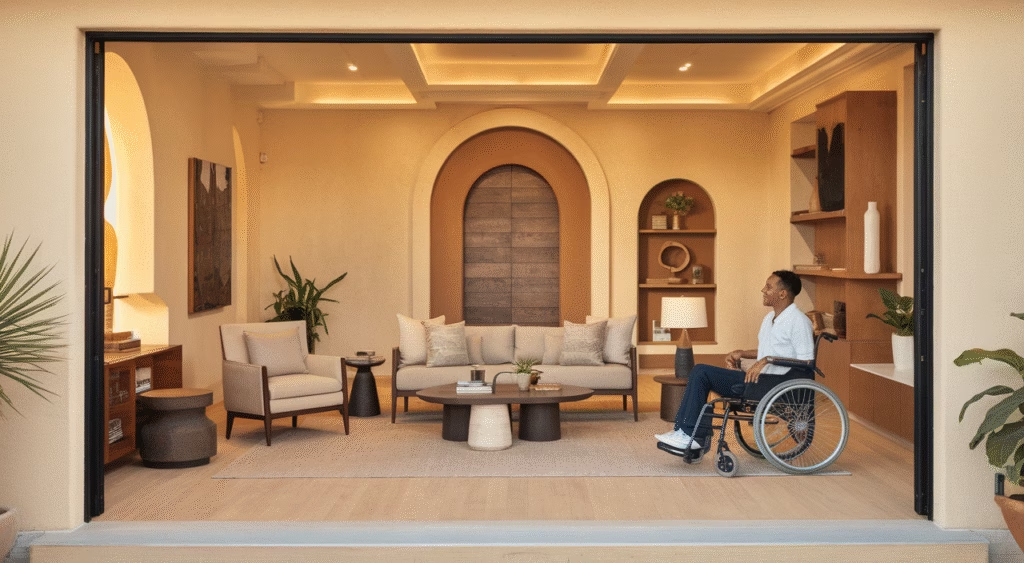
Creating a handicap-accessible living room isn’t just about meeting mobility needs—it’s about making everyone feel comfortable, safe, and equally welcome. From wheelchair-accessible design layouts to carefully selected handicap-friendly furniture, every detail plays a critical role in transforming your living area into a functional and beautiful space that serves everyone in your family.
- Accessible design promotes ease of use, safety, and independence for individuals with different disabilities.
- Cost-effective choices make this transformation possible even on a tight budget.
- Smart customizations like wider walkways, reachable shelves, and low-pile rugs make a huge difference in daily living.
- Inclusive aesthetics prove that handicap-accessible living rooms can still be beautiful and modern.
1. Choosing the Right Furniture for Accessibility
Let’s start with the cornerstone of any handicap-accessible living room: the furniture. Choosing handicap-friendly furniture isn’t just about matching the curtains—it plays a crucial role in your space’s flow, safety, and function.
What makes furniture truly handicap-friendly?
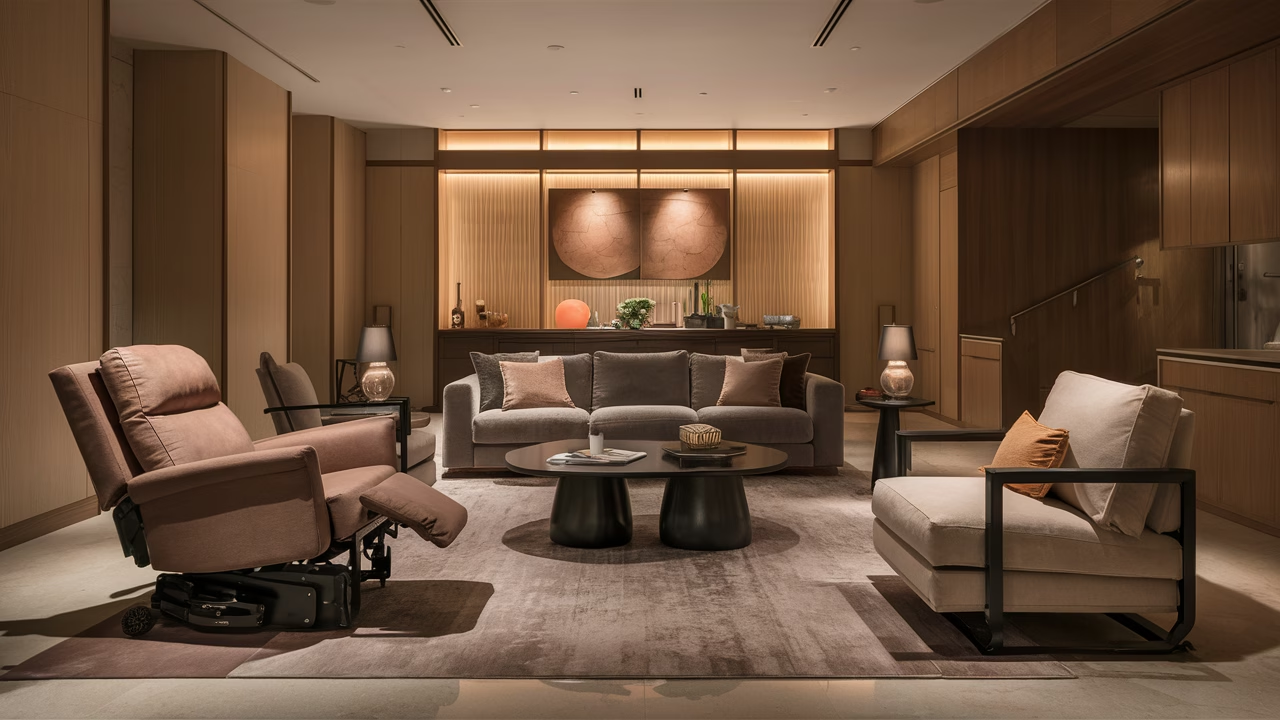
Here’s what we often encounter when designing wheelchair-accessible living spaces: oversized coffee tables, low-end sofas, and high shelving that create unnecessary barriers. What you need are practical yet attractive solutions that cater to comfort and mobility-related needs.
- Chair Height: Aim for 18–20 inches seat height, ideal for transfers from wheelchairs. Avoid low-profile lounge chairs that make standing difficult.
- Sturdy Armrests: Not just decorative—they assist with standing, balance, and safe transfers in your handicap-accessible living room.
- Open frames or slim silhouettes: These leave more floor space for maneuverability, essential for wheelchair-accessible design.
- Furniture with wheels or casters: Especially helpful for rearranging without lifting heavy weight—perfect for home modifications for disabled individuals.
- Lift Chairs: These powered recliners represent the best furniture for mobility-impaired individuals who need assistance getting up safely.
Ultimately, the best handicap-friendly furniture blends comfort, support, and accessibility seamlessly. Choose materials that are sturdy, easy to clean, and resistant to spills—accidents happen, and your accessible space should adapt, not judge.
2. Incorporating Mobility Aids in Your Living Space
Mobility aids in living rooms might conjure images of clinical, utilitarian devices. But they don’t have to compromise your style. Let’s rethink how canes, walkers, grab bars, and seating supports integrate with grace into your handicap-accessible living room.
Start by identifying specific needs—someone who uses a cane may not need major home modifications for disabled individuals, while a full-time wheelchair user may require extensive wheelchair-accessible design changes. Don’t forget visually impaired or hearing-challenged family members. Every disability requires thoughtful consideration.
Here are smart ways to build mobility into your living room:
- Walking Track: Create a minimum 36-inch-wide path between furniture for unimpeded wheelchair or walker access—this is fundamental to wheelchair-accessible design.
- Multi-level Lighting: Accessible controls and layered lighting help those with low vision navigate your handicap-accessible living room better. Motion sensors add extra convenience.
- Grab Bars or Railings: These mobility aids can be painted or wrapped in wood/stainless finish to blend seamlessly into your room’s décor.
- Built-in Charging Stations: Place near recliners or chairs for electric wheelchairs, recliner controls, or hearing assist devices.
3. Easy DIY Modifications for a Wheelchair-Friendly Environment
Professional renovations are ideal, but sometimes creativity and DIY spirit can create effective home modifications for disabled individuals. These inexpensive wheelchair-accessible living room design solutions don’t require tearing down walls or replacing all your handicap-friendly furniture. Even renters can benefit from these non-permanent adjustments.
Here’s how to get started:
- Door Threshold Ramps: Inexpensive rubber ramps or wedge mats help with smooth transitions between rooms in your wheelchair-accessible design.
- Furniture Raisers: These small blocks raise chair or sofa height, making your existing pieces more suitable as handicap-friendly furniture.
- Remote-Controlled Curtains & Lights: Reduce the need to reach switches or cords manually—essential for any handicap-accessible living room.
- Voice-Activated Devices: Affordable smart speakers can control lights, fans, and entertainment systems, perfect home modifications for disabled individuals.
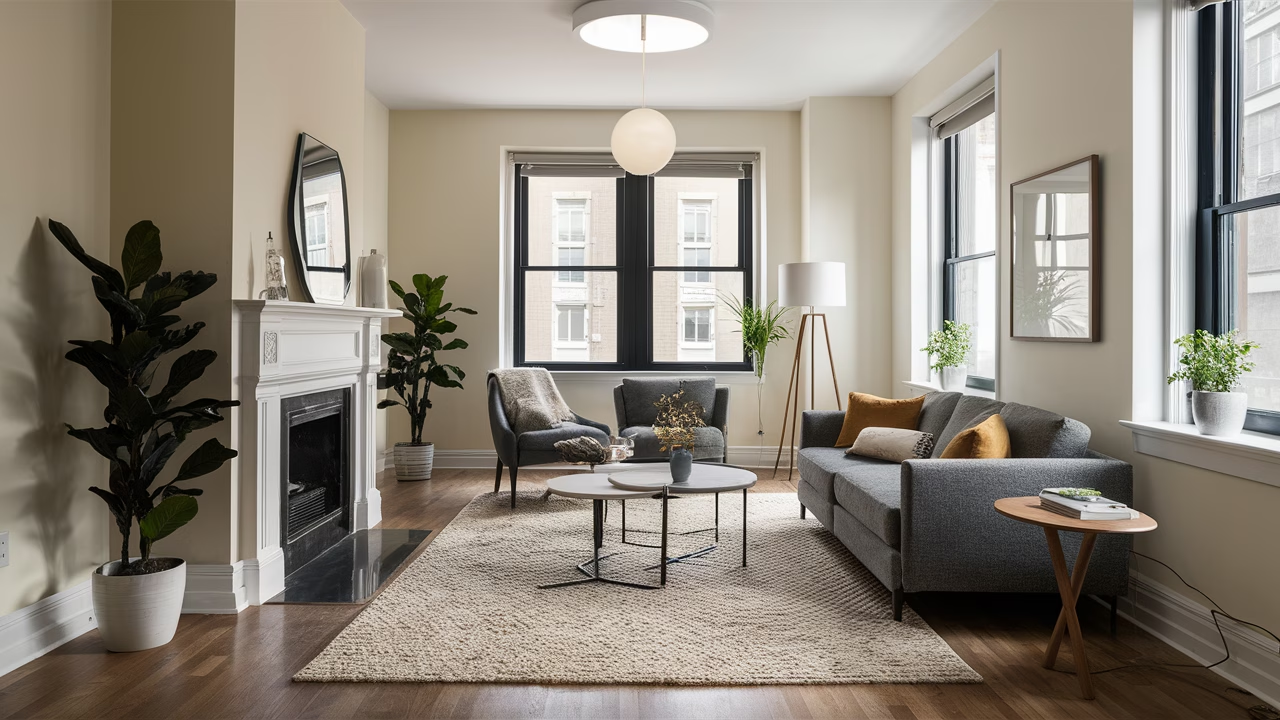
- Low-Pile Rugs & Cord Management: Trip reduction is essential in wheelchair-accessible design. Secure loose rugs and hide cords with protective cable sleeves.
4. Design Tips for Visual Impairment and Hearing Loss
Your handicap-accessible living room doesn’t always mean wheelchair-focused. If you’re supporting a loved one with impairment in vision or hearing, these design elements greatly enhance daily living and represent important home modifications for disabled individuals.
Vision-Friendly Choices:
- High Contrast Colors: Use dark and light elements to define spaces—this helps with orientation and navigation in your handicap-accessible living room.
- Tactile Flooring: Use different flooring textures to signal transitions (e.g., hardwood to carpet at room boundaries) as part of your wheelchair-accessible design.
- Strategic Lighting: LED strips under furniture or lighting inside drawers improve visibility during day and night for visually impaired family members.
For Individuals with Hearing Loss:
- Visual Alerts: Smoke detectors, doorbells, and alarms should have light-based notifications in your handicap-accessible living room.
- Open Layout: Clear sightlines make it easier to lip-read or interpret sign language—crucial home modifications for disabled individuals with hearing impairments.
- Smart Flooring Choice: Hard floors like vinyl or tile can carry foot vibrations better than carpet, enhancing communication through touch.
5. Budget-Friendly Solutions for a Stylish and Safe Living Room
Now let’s address one of the biggest concerns: cost. You might assume that creating a handicap-accessible living room equals expensive renovations. With smart planning, you can achieve beautiful, inexpensive wheelchair-accessible living room design that works for your budget.
Cost Guide: Estimating Your Handicap-Accessible Living Room Budget
| Modification | Low-End | Mid-Range | High-End |
|---|---|---|---|
| Furniture Adaptation | $100–$300 | $400–$800 | $1,200+ |
| DIY Hardware (ramps, raisers) | $20–$75 | $100–$250 | $400+ |
| Lighting & Automation | $50–$150 | $200–$500 | $800+ |
| Professional Consultation | Free–$100 | $150–$400 | $500+ |
These strategies for inexpensive wheelchair-accessible living room design prove that functionality and style can harmonize in your handicap-accessible living room without draining your wallet.
Final Thought: Every Modification Makes a Difference
You don’t need to overhaul your entire home overnight to create an effective handicap-accessible living room. Focus on small but meaningful home modifications for disabled individuals that increase freedom and safety today. Remember, the best furniture for mobility-impaired individuals and thoughtful wheelchair-accessible design represent a commitment to dignity, equality, and inclusion. Your living room can be inviting to everyone, regardless of ability.
Frequently Asked Questions
- How to design a room for a disabled person?
Start with identifying the specific disability and adapt the layout for clear mobility paths, accessible furniture, and safe transitions. - What is the standard wheelchair turning radius required in a living room?
Typically a turning radius of 60 inches is ideal for wheelchairs to maneuver comfortably. - Are there stylish handicap-friendly furniture options?
Yes! Many accessible furniture pieces feature modern design while offering assistive features like height adjustments and firm back support. - How can I childproof a living room that’s also accessible?
Use corner guards, anti-tip straps, and ensure accessibility aids are integrated safely. Strip cords and cover outlets sensibly. - How can I make a multi-generational living room functional for everyone?
Use flexible furniture arrangements, zone lighting, and layered space planning that works for children, adults, and mobility-impaired elders. - Can accessible living room designs still be aesthetic?
Absolutely. Accessible design and aesthetics go hand-in-hand. Focus on clean lines, practical materials, and open layouts.