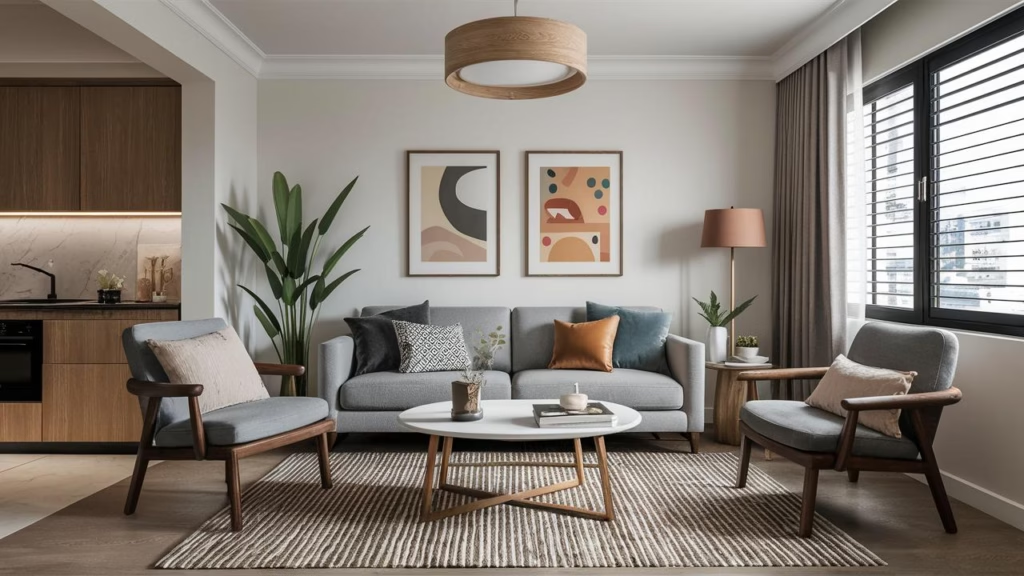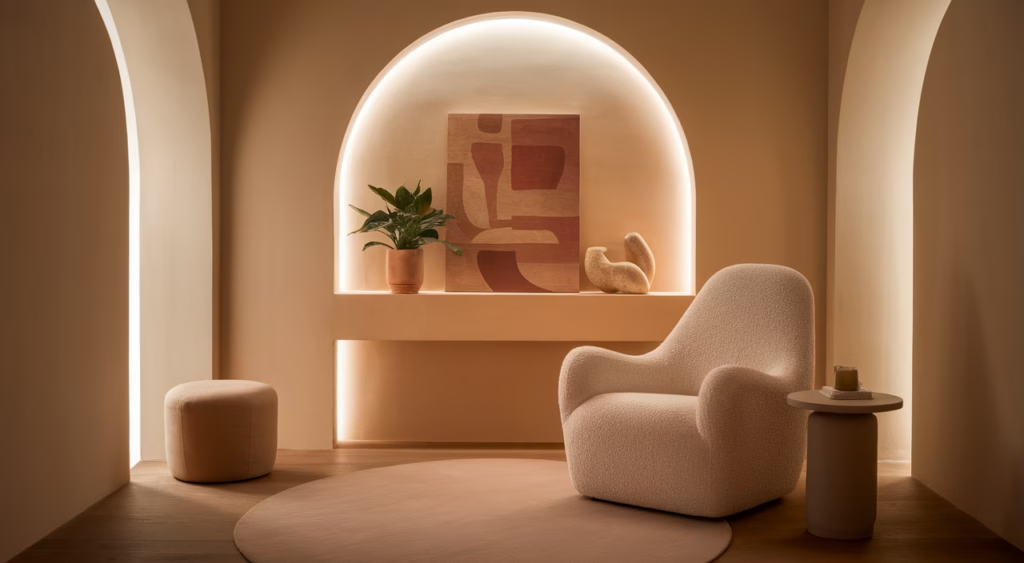
What makes an ideal therapy room, and how do you create one?
A well-designed therapy room is more than just four walls and a couch—it’s a space that supports healing, trust, and personal growth. Your ideal therapy room should combine comfort, safety, and a sense of connection so clients feel instantly at ease. Ready to create a space that’s welcoming for both you and your clients? Let’s explore the therapy room essentials.
TL;DR:
- Ideal therapy rooms prioritize emotional safety, comfort, and minimal distractions.
- Therapy room essentials include soft lighting, functional furniture, and soundproofing.
- Therapist room design should reflect your practice style and be flexible to suit different needs.
- Cozy therapy space elements like warm textiles and calming colors enhance client relaxation.
- Designing a counseling room? Add personalization with plants, artwork, and sensory objects.
I. Creating Your Sanctuary: The Importance of an Ideal Therapy Room
Ever walked into a room and immediately felt at ease—like you could breathe a little easier? That’s the magic of thoughtful therapist room design. In therapy, where vulnerability is core to the process, the physical space plays a vital role in building trust and offering emotional refuge.
Clients often arrive carrying invisible burdens. An ideal therapy room doesn’t just house conversations—it reflects empathy, predictability, and containment. These subtle sensory cues—ambient lighting, soft textures, neutral palettes—help regulate emotions before a single word is spoken.
As a wellness-centered interior designer, I’ve seen first-hand how thoughtful design influences human connection. It’s in the seat you choose, the way light dances across the walls, and the invitation or restraint in how the space is organized. Whether you’re just starting your practice or improving your existing room, designing a supportive environment is the first step in deepening your therapeutic impact.
II. Essential Elements for Comfort and Warmth
Lighting: More Than Just Illumination
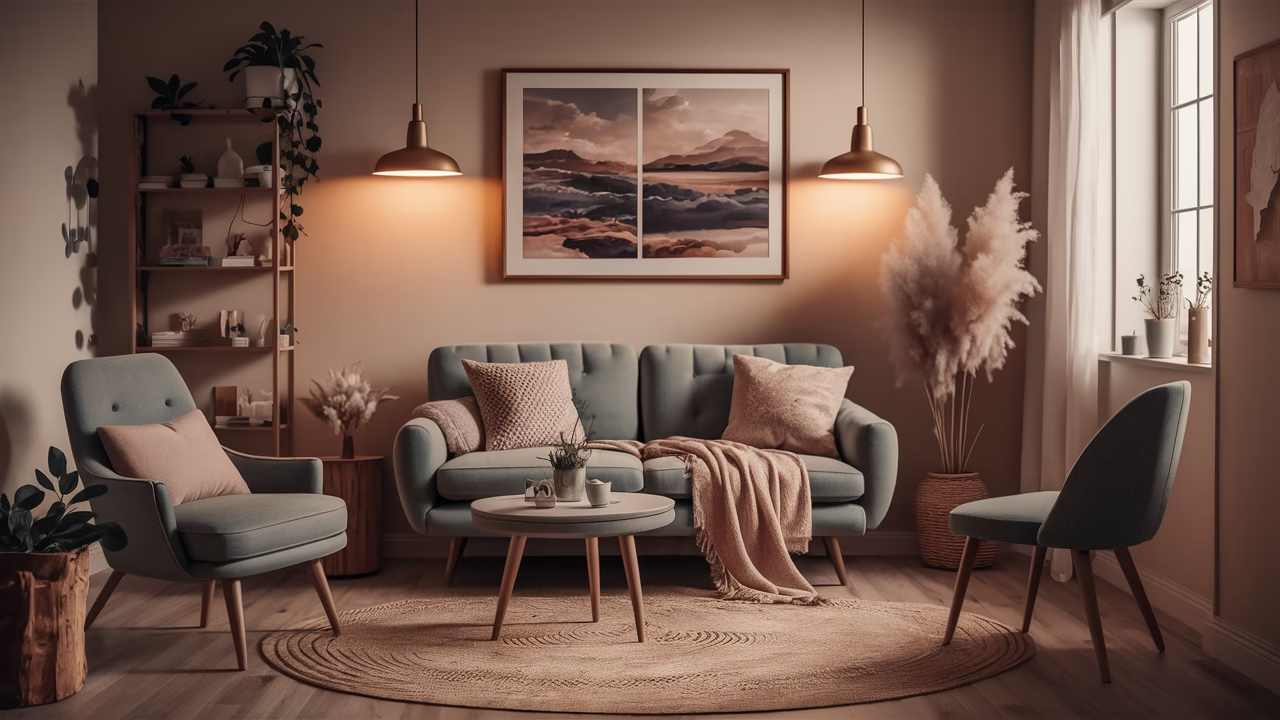
Harsh fluorescent lights have no place in a cozy therapy space. Use adjustable lighting—lamps with warm-toned bulbs, dimmers, or soft natural light whenever possible. Position your seating area so that light flatters rather than glares. When designing a counseling room, treat lighting like a mood—it should embrace the room, not interrogate it.
Furniture: Inviting, Functional, Adjustable
Choose seating that’s comfortable but not too sinking. Your couch or armchair should feel stable and supportive—key therapy room essentials. Avoid overly rigid furniture, which can feel punishing, but steer clear of excessively soft chairs that make grounding difficult. If you serve children, teens, or trauma clients, having moveable furniture makes it easier to customize the therapeutic experience.
Colors & Texture: Soothing the Nervous System
Stick with earth tones, dusty blues, and subdued greens for your ideal therapy room. These colors have been shown to lower stress responses, and they’re universally soothing. Pair these colors with a mix of soft textures—cotton throws, wool rugs, velvet cushions—that signal “you can relax here.” Texture invites touch, and touch—even visually—calms the nervous system.
Soundproofing: Privacy That Speaks Volumes
No one should hear your neighbor’s session or worry theirs is being overheard. Invest in acoustic panels, door sweeps, or even white noise machines. On a budget? Heavy curtains and rugs can absorb sound effectively in your therapy room design.
Temperature & Air Quality: The Invisible Comfort Essentials
Maintain a consistent room temperature in your cozy therapy space. A freezing or stuffy therapy room is a quick way to disconnect from the process. Use a discreet purifier to keep the air fresh and quiet fans or air conditioning systems for circulation.
III. Enhancing Connection Through Thoughtful Design
Every piece of your therapist room design sends a message. The physical proximity of furniture signals boundaries; lighting communicates mood. Visual cues like artwork, bookshelves, or even plant placement can establish equality, safety, or stimulation in your ideal therapy room.
Here’s a tip for designing a counseling room: Create three visual zones—a calming background behind the client, a conversational center between you, and a focus-free zone in their peripheral vision. This gives clients something to orient toward if they’re overwhelmed without overstimulation.
| Design Element | Impact on Therapy | Suggestions |
|---|---|---|
| Seating Distance | Affects perceived intimacy | Leave 4–6 feet between chairs for balance |
| Chair Angling | Supports non-confrontational energy | Angle seating slightly instead of strict face-to-face |
| Color Palette | Regulates nervous system responses | Use soft neutrals, cool tones, minimal contrast |
IV. Practical Tips for Setting Up Your Therapy Space
Start With a Layout Plan
Sketch out your space and identify client movement—from entry to exit. Avoid having clients walk past your desk; instead, design an open path to the seating area. Keep clutter streamlined to minimize distractions in your ideal therapy room.
Use Decor to Reflect Your Practice
Minimalist? Bohemian warmth? Mid-century serenity? Let your identity and therapeutic orientation influence your therapist room design. A therapist who uses nature-based mindfulness might include landscape paintings, while a CBT practitioner may opt for clean, structured lines and neutral tones in their cozy therapy space.
Incorporate Biophilic Design
Bringing nature inside reduces cortisol, improves cognitive clarity, and adds vibrancy to any room. Start simple with these therapy room essentials: a snake plant in the corner, fresh eucalyptus, or a window looking outward. Nature heals, even when it’s brought indoors to your counseling room.
Keep Storage Stylish and Simple
Neatness equals safety when designing a counseling room. Conceal therapy supplies within stylish baskets or ottomans. Hide cords and organize paperwork efficiently. A clean space helps clear the mental fog for both you and your clients in your ideal therapy room.
V. Bringing It All Together: Personal Touches for a Welcoming Environment
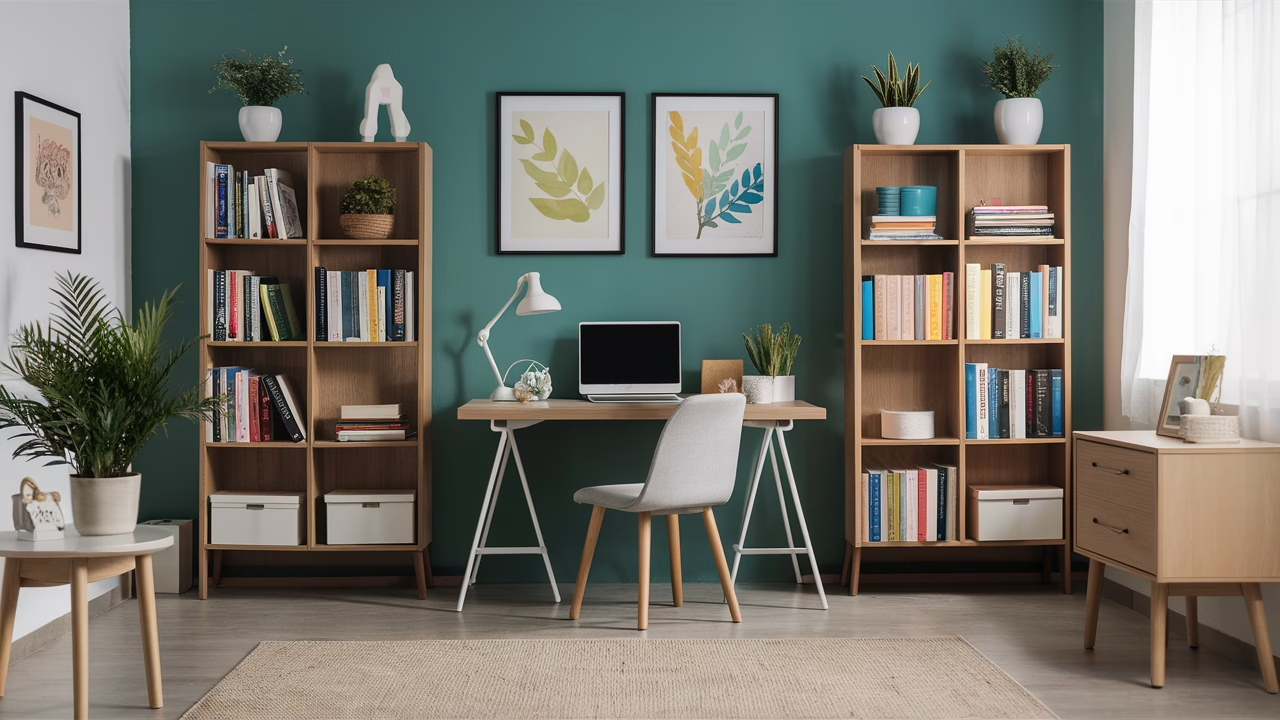
This is where your story meets your therapist room design. Clients cherish the micro-moments—the warm mug waiting by the side table, the framed quote tucked on a shelf, the sound of water bubbling from a tiny fountain. These aren’t decorative fluff in your cozy therapy space. They’re memory markers and emotional cues.
You might display meaningful books, personal (but non-divisive) artwork, or a subtle aromatherapy diffuser in your ideal therapy room. Even how you welcome clients with a gesture, eye contact, or music cue adds to the therapeutic experience. An ideal therapy room honors your practitioner voice as much as your clients’ inner world.
Therapy Room Cost Guide
If you’re budgeting to create or revamp your therapy space, here’s a general breakdown of what to expect when designing a counseling room:
| Cost Tier | Estimated Budget | Common Features |
|---|---|---|
| Low-End | $800 – $1,500 | Basic lighting, IKEA-quality furniture, minimal décor |
| Mid-Range | $2,000 – $4,000 | High-quality seating, soundproofing, custom textiles |
| Premium | $5,000 – $10,000+ | Luxury finishes, built-ins, ambient tech |
Frequently Asked Questions
How to decorate a counselling room?
Use soft hues, layered lighting, and calming textures. Add plants, gentle artwork, and a comfortable seating arrangement to offer immediate comfort and trust.
What colors are best for a therapy room?
Soft earth tones, pale blues, muted greens, and neutral creams are ideal. Avoid high-contrast or overly vibrant colors that may disturb focus or elevate anxiety.
How can I make my therapy room feel cozy?
Use warm lighting, soft textiles like throws and rugs, and personal touches like plants or calming scents. Think like you’re setting up a retreat rather than an office.
What furniture is essential for a counseling room?
At minimum, you’ll need comfortable client seating, a therapist’s chair, side tables, and optional shelving or storage. Be sure chairs are supportive but not too firm.
Can I design a shared therapy room for multiple practitioners?
Absolutely. Use flexible furniture and neutral design choices. Storage should be personalized but easily tucked away. Consider rotatable artwork or decor zones by practitioner.
Is aromatherapy safe in a therapy room?
Yes, if handled sensitively. Use subtle, non-allergenic scents like lavender or eucalyptus. Always consider client sensitivities and allergies first.
Should I include a desk in my therapy room?
If needed for paperwork, keep it tucked discreetly away. The main visual should be the therapy seating, not your administration area. You want the room to feel client-centered.