What is the ideal way to store wine at home in Singapore?
Wine storage in Singapore requires strategic planning due to our tropical climate’s constant heat and humidity. To preserve your wine’s flavor profile and value, you need to master three key elements: stable temperature control, optimal humidity levels, and smart organization — whether you’re using a wine fridge, building a compact DIY wine cellar, or creating a dedicated wine storage space in your HDB flat or condo.
- Singapore’s high humidity can damage corks and labels, so targeted humidity control is essential for proper wine storage.
- Temperature fluctuations spoil wine faster than you think — steady cooling is the foundation of home wine storage.
- You don’t need a mansion to have a wine cellar — smart DIY wine cellar ideas can transform small HDB spaces.
- Organizing your wine collection by type, vintage, and rotation prevents spoilage and maximizes enjoyment.
- Essential wine storage accessories: The right racks, labels, lighting, and sensors enhance both protection and presentation.
Introduction to Wine Storage
Ever opened a bottle that tasted sour, oxidized, or just plain dull? That’s often the result of poor wine storage. Wine is a living substance that continues evolving in the bottle — especially those with natural corks. How you store wine at home directly impacts its longevity and flavor development.
In Singapore, where daily temperatures soar above 30°C and humidity levels exceed 80%, wine storage becomes particularly challenging. Unlike European wine regions with naturally cool underground cellars, we must deliberately engineer the right conditions indoors using temperature control solutions and humidity management.
The good news? Creating a wine-friendly environment at home doesn’t require massive investment or space. With proper knowledge and strategic planning, any HDB flat or condo dweller can establish effective wine storage that protects their collection year-round.
Importance of Temperature Control
Temperature control is absolutely critical for wine storage success. When wine gets too hot, it ages prematurely and develops cooked flavors. If stored too cold, those complex aromas and flavors you love become muted and never fully develop.
The best temperature for wine storage? A consistent 12°C to 14°C — significantly cooler than Singapore’s average indoor temperature. However, stability matters more than the exact degree. Constant temperature fluctuations are wine’s worst enemy, causing the liquid to expand and contract, eventually compromising the cork seal and allowing oxidation.
Here are the top temperature control solutions for wine that work effectively in Singapore homes:
- Wine refrigerators: Most reliable option for maintaining precise, consistent temperatures in any home
- Dedicated wine room air conditioning: For serious collectors building custom wine cellars with professional climate control
- Insulated wine cabinets: Cost-effective solution for medium-sized collections with built-in temperature regulation
For most HDB and condo residents, a quality wine fridge remains the most practical temperature control solution for protecting a growing wine collection against Singapore’s climate challenges.

Managing Humidity Levels
While temperature affects the wine itself, humidity primarily impacts cork integrity. When humidity drops too low, corks dry out and shrink — allowing oxygen to infiltrate your bottles and spoil the wine. Excessive humidity leads to mold growth on labels and capsules without providing additional preservation benefits.
The best humidity level for wine storage? Target 55–75% relative humidity. In Singapore, where natural humidity often exceeds 80%, your focus should be on reducing and stabilizing moisture levels rather than adding humidity.
Here’s how to manage humidity levels in your wine storage space:
- Install dehumidifiers inside your wine cellar or storage area to maintain optimal levels
- Ensure proper ventilation to prevent moisture buildup and stagnant air
- Choose climate-controlled wine fridges with integrated humidity sensors for automatic regulation
Simple strategies like positioning your wine storage away from the kitchen (where heat and humidity fluctuate most dramatically) can significantly improve storage conditions.
Organizing Your Wine Collection
Once you’ve mastered storage conditions, smart organization becomes crucial. Proper wine collection organization prevents spoilage, reduces waste, and helps you fully enjoy each bottle at its optimal drinking window.
Want to know how to organize a home wine collection effectively? Follow these proven strategies:
- Categorize by wine type: Separate red wines, white wines, sparkling, and dessert wines for easy access and optimal storage conditions
- Store bottles horizontally: Keep corks moist and prevent air exposure for long-term wine storage
- Implement a labeling system: Essential once your collection exceeds 20 bottles for tracking and rotation
- Maintain inventory records: Use a simple spreadsheet or wine app to track purchase details, drinking windows, and tasting notes
Pro tip for wine collection management: Position newer vintages in easily accessible spots while storing aged or rare bottles in the most stable conditions. This rotation system prevents accidentally opening wines before they reach peak maturity.
Creating a DIY Wine Cellar
Think wine cellars are only for landed properties? Think again. Modern DIY wine cellar concepts work brilliantly in compact Singapore homes. An HDB storeroom, utility area, or even a converted wardrobe can become an effective wine storage space with smart customization.
Here are proven DIY wine cellar ideas for small spaces that work in Singapore homes:
- Under-stair wine storage: Install custom wine racks and add a compact wine fridge with precise climate control
- Converted storage cabinets: Line existing cabinetry with wine racks, add insulation, and install ventilation systems
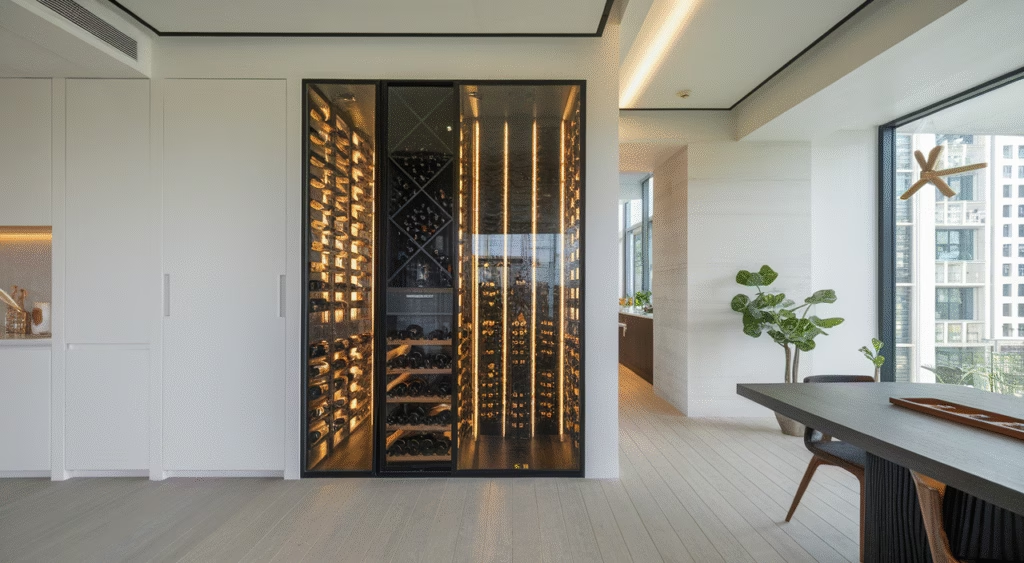
- Glass-display wine closets: Showcase your collection while maintaining proper storage conditions with UV-filtered glass
- Wall-mounted racks plus wine fridge combo: Perfect low-footprint solution for studio apartments and small condos
Success depends on proper insulation and climate control — use MDF boards, foam insulation panels, and weatherproof seals. Add circulation fans or small ventilation units, then monitor conditions with digital thermometer-hygrometer combinations for consistent wine storage performance.
Wine Storage Cost Guide (Singapore)
| Wine Storage Option | Low-End (SGD) | Mid-Range (SGD) | High-End (SGD) |
|---|---|---|---|
| Compact Wine Fridge (12–24 bottles) | $150 | $500 | $1,200+ |
| Built-in Wine Cabinet | $800 | $1,500 | $3,000+ |
| DIY Wine Cellar Setup | $500 | $1,000 | $2,500+ |
| Dedicated Wine Room | $3,000 | $7,000 | $15,000+ |
Essential Accessories for Wine Storage
The right accessories transform basic wine storage into a sophisticated system that protects your investment while enhancing your wine experience. These essential wine storage accessories work particularly well in Singapore’s climate conditions:
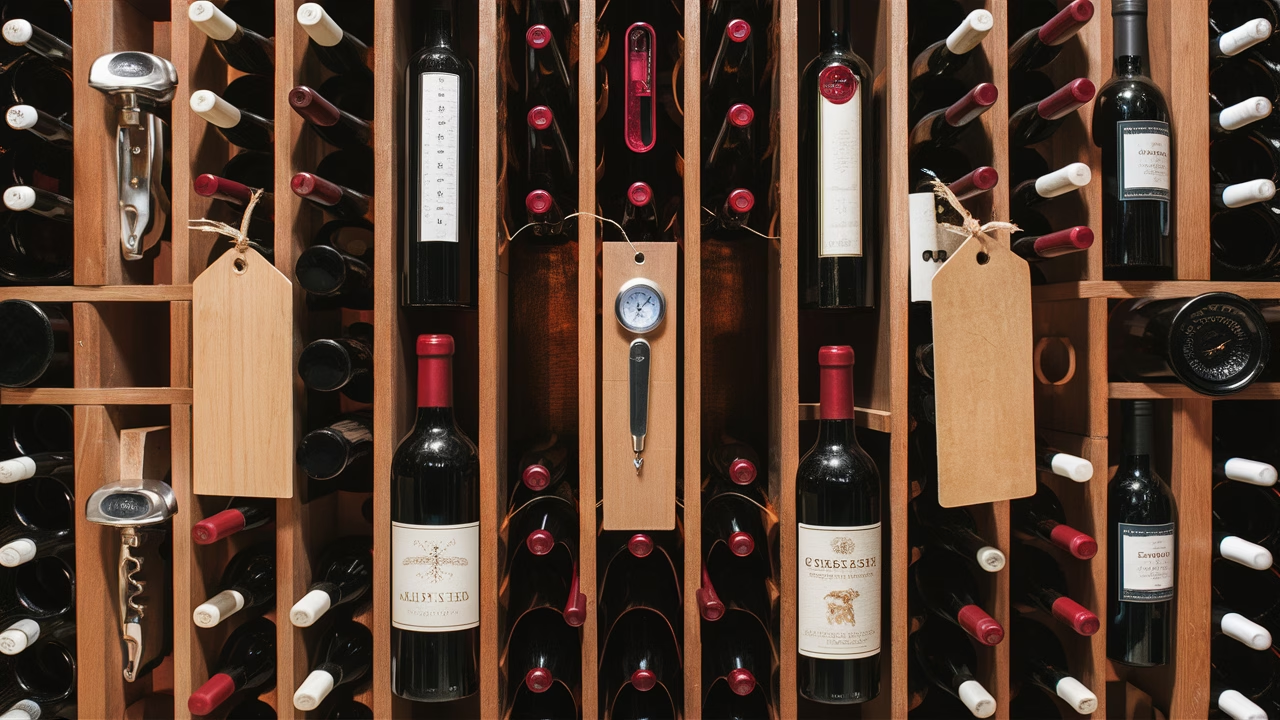
- Wine racks: Choose wall-mounted or free-standing options with proper angling to maintain cork moisture contact
- Digital thermometer and hygrometer: Monitor temperature and humidity levels continuously for optimal wine storage conditions
- UV-filtered LED lighting: Provide visibility while protecting wine from harmful ultraviolet light that degrades quality
- Wine inventory tags and labels: Enable quick identification without disturbing bottles unnecessarily
- Wine tracking apps or journals: Record vintages, purchase prices, drinking windows, and personal tasting notes
- Emergency supplies: Keep replacement corks, wine preservers, and cleaning supplies readily available
These wine storage accessories aren’t just about aesthetics — they actively protect your investment and streamline your wine enjoyment experience in Singapore’s challenging climate.
Final Thoughts: Curating the Perfect Wine Storage Experience
Mastering wine storage at home goes beyond keeping bottles cool — it’s about preserving the winemaker’s artistry and your investment. Whether you’re aging a coveted Burgundy or chilling a crisp Sauvignon Blanc for dinner, creating proper storage conditions ensures every sip delivers the intended experience.
Singapore’s humid, equatorial climate presents unique challenges, but with strategic temperature control, humidity level management, and carefully selected accessories, your wine collection can thrive. From maximizing space in compact HDB flats to converting spare rooms into impressive wine cellars, the key is understanding your specific needs and climate requirements.
Remember: You don’t need sommelier credentials to enjoy great wine — but proper storage knowledge ensures every bottle reaches its full potential, making each pour a memorable experience worth savoring.
Frequently Asked Questions
- What are the rules for wine storage?
Keep wine in a dark, stable-temperature space (about 12°C–14°C) with humidity around 60%. Lay bottles flat to keep corks moist, avoid vibrations, and steer clear of direct sunlight. - Can I store wine in the fridge long-term?
No — kitchen fridges are too cold and dry for long-term wine storage, potentially drying corks and altering flavor over time. A wine fridge is the better choice. - Is it okay to store wine upright?
For short-term storage (a couple of weeks), yes. But for longer periods, horizontal storage is needed to keep corks moist and prevent air exposure. - How do I create a wine cellar in a small apartment?
You can repurpose unused closets, use under-stair areas, or even create a wall-mounted vertical wine station combined with a small wine fridge. - What is the biggest threat to wine in Singapore?
Temperature spikes and high humidity leading to cork degradation and premature aging. Controlling these is key. - Should red and white wines be stored differently?
Storage temperature should be similar, but serving temperature differs. Many wine fridges have dual-zone options to accommodate both storage and service levels. - Can I build a wine cellar in an HDB flat?
Yes, especially DIY modular setups or wine closets. You’ll need to follow HDB guidelines and seek approval for extensive renovations involving wiring or ventilation.