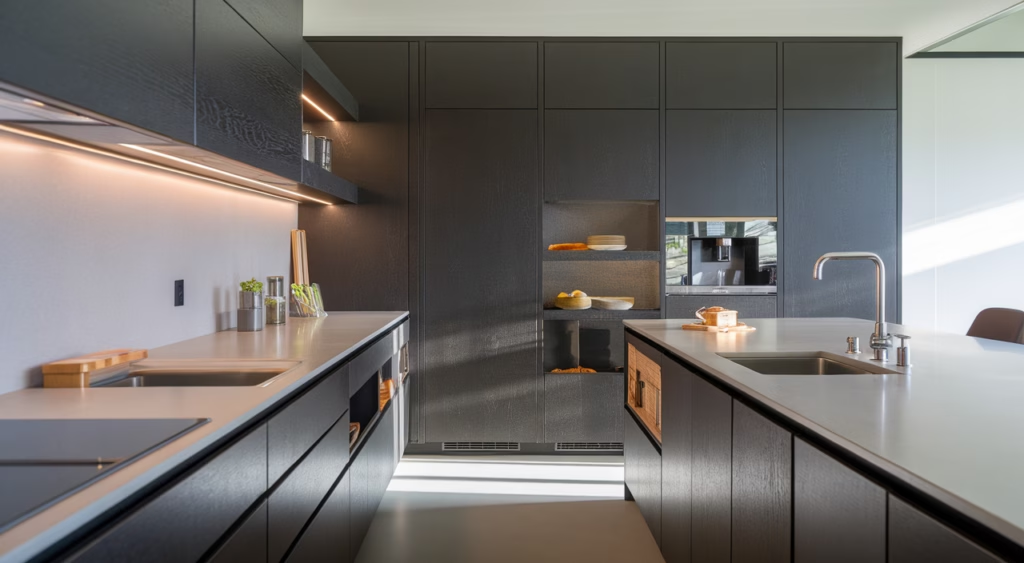
Have You Ever Wondered How to Seamlessly Integrate Pet Needs into Your Kitchen Space?
As a home decor blogger with a deep love for both beautiful interiors and my furry companions, I’ve spent years exploring how to perfectly blend pet-friendly elements into stylish living spaces. The kitchen, often the heart of the home, presents a unique challenge: how do you accommodate a “kitchen dog food station” without sacrificing aesthetics, cleanliness, or functionality? The answer lies in innovative thinking, smart design, and a touch of creativity. This article is your ultimate guide to achieving just that, transforming your kitchen into a haven for both two-legged and four-legged family members.
From the moment we welcome a dog into our lives, our homes evolve. Yet, the kitchen, with its foot traffic, food preparation, and potential for clutter, often becomes a battleground for pet essentials. Bowls can become tripping hazards, food bags take up precious pantry space, and dedicated pet areas can look like an afterthought. My goal is to show you that it doesn’t have to be this way. We can, and should, design spaces that cater to our pets’ needs with as much thought and intention as we do for our own.
Historically, pet areas in kitchens were, at best, an afterthought – a mat on the floor with some bowls, perhaps tucked into a corner. But the modern homeowner, like you, demands more. You’re looking for elegance, efficiency, and a design that feels cohesive with the rest of your home, even when it comes to your pet’s dedicated `pet feeding area`. You want solutions that address practical concerns like spills and accessibility, while also elevating your kitchen’s overall look. This is where truly `pet-friendly kitchen design tips` become invaluable, moving beyond simple expediency to thoughtful integration.
My passion is helping homeowners, just like you, achieve these seamless transformations. I’ve seen countless `kitchen remodel` projects where pets were either overlooked entirely or awkwardly squeezed in. But with a strategic approach, your kitchen `makeover` can incorporate a dedicated `kitchen dog food station` that looks like it was always meant to be there. We’ll explore designs that make life easier for both you and your canine companion, ensuring that every sip and nibble happens in a designated, clean, and beautifully designed spot.
Creating a Pet-Friendly Kitchen Environment: Beyond the Bowl
Creating a truly `pet-friendly kitchen` goes far beyond simply placing food and water bowls. It involves a holistic approach to design that considers safety, hygiene, and seamless integration with your existing aesthetic. Think about the flow of your kitchen, where your pet spends most of their time, and what elements could be adapted to serve their needs better. It’s about building an environment where your dog feels secure and catered for, without detracting from your home’s elegance.
Every decision, from flooring choices to `storage` solutions, can impact how pet-friendly your kitchen truly is. For instance, high-traffic areas prone to spills should ideally feature durable, easy-to-clean materials. Considering your dog’s size and habits is also crucial. A small Chihuahua will have different needs than a Great Dane, dictating everything from bowl height to the scale of their `kitchen pet station`. My experience has shown that these small considerations upfront prevent larger headaches down the line.
DIY Kitchen Dog Food Station Ideas: Tailored Solutions
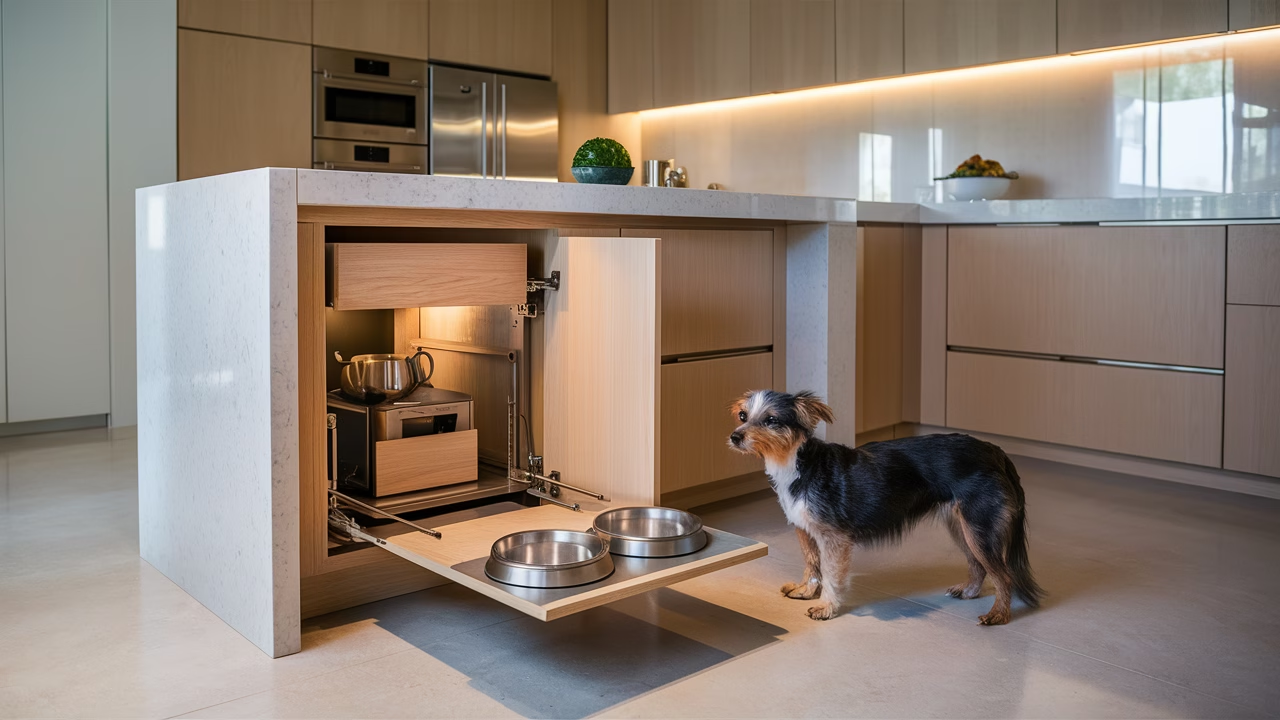
For those of us who love a good home project, `DIY kitchen dog food station ideas` offer an incredible opportunity to customize a solution that fits your space and your pet perfectly. One of the most popular and elegant solutions is a pull-out drawer system. Imagine a shallow drawer in a bottom cabinet, designed to slide out, revealing food and water bowls. When not in use, it simply tucks away, hiding the bowls and keeping your floor clear. This is fantastic for small to medium-sized dogs and keeps the kitchen looking pristine. For larger breeds, a deeper drawer or a dedicated cabinet with built-in, elevated bowls can prevent bending and discomfort.
Another innovative approach is converting an unused bottom cabinet into a cozy `pet feeding area`. This could involve removing the cabinet door and adding custom shelving to hold bowls at the ideal height, with perhaps a decorative curtain or a specially cut opening for entry. You can even line the interior with waterproof material or a removable tray for easy cleaning. For a more integrated look, consider a built-in nook under an existing `countertops` extension or kitchen island. This can be as simple as an open cubby with a custom mat and bowls, or a more elaborate structure with integrated `pet food storage` bins above.
When embarking on these DIY projects, always prioritize materials that are durable, non-toxic, and easy to clean. Stainless steel bowls are a must for hygiene, and surfaces around the feeding area should ideally be water-resistant, such as laminate, sealed wood, or even tile. I’ve seen some brilliant homeowners use leftover countertop material for the base of their pull-out stations, ensuring a seamless aesthetic with the rest of their `kitchen design ideas`.
Pet-Proofing Your Kitchen Layout and Materials
Beyond just the feeding station, a truly `pet-friendly kitchen` considers the entire `layout` and material choices. When planning a `kitchen remodel`, think about how your pet navigates the space. Open-concept designs are generally pet-friendly, allowing pets to be part of the family without feeling confined. However, designated zones can also be beneficial – perhaps a small, gated area for younger pups or a cozy corner away from high-traffic cooking zones.
Flooring is paramount. Hardwood, while beautiful, can be prone to scratches and water damage from spills. Instead, consider durable alternatives like porcelain tile, luxury vinyl plank (LVP), or even polished concrete. These materials are scratch-resistant, waterproof, and incredibly easy to clean, making quick work of any spills or muddy paw prints. Similarly, for cabinets and wall surfaces near the `kitchen dog food station`, opt for finishes that are easy to wipe down. Semi-gloss paints, washable wallpapers, or even a protective wainscoting can save you a lot of maintenance.
Safety is another critical aspect. Ensure that cleaning supplies, toxic foods (like chocolate or onions), and sharp utensils are always stored securely out of paw’s reach. Child-proof latches on lower cabinets can be repurposed to keep curious pets out of trouble. Remember, `pet-friendly kitchen design tips` aren’t just about comfort; they’re fundamentally about creating a safe and healthy environment for your beloved companion.
Innovative Designs for Pet Feeding Areas That Blend Seamlessly
The true mark of an `innovative ways to incorporate pet needs into kitchen space` is when the solutions are so well-integrated that they enhance the kitchen’s overall design rather than detracting from it. This means thinking beyond the standalone bowl and considering how the `kitchen dog food station` can become an integral, beautiful part of your home’s most central room. I’ve gathered some of the most inspiring `kitchen design ideas` that homeowners are absolutely loving for their cleverness and style.
Pet-Friendly Kitchen Design Tips for Modern Homes
For modern homes, the key is often minimalism and clean lines. This translates beautifully into `pet-friendly kitchen design tips` by focusing on built-in and hidden solutions. One popular idea is to integrate the `kitchen dog food station` directly into a kitchen island. This can be an open cubby on one side, perfectly sized for bowls, or a custom-built cabinet section that blends seamlessly with the island’s cabinetry. Some designs even incorporate a water dispenser that can be refilled from above, making maintenance effortless.
Another elegant option is to utilize the toe-kick space at the bottom of your cabinets. With custom fabrication, this often-wasted area can be transformed into a shallow, pull-out drawer for bowls. It’s an ultra `space-saving pet feeding solutions for kitchens` and virtually invisible when not in use. When you’re undergoing a `kitchen remodel` or `makeover`, this is an excellent opportunity to bake these features into the core design. Matching the materials of your feeding station to your existing `countertops` or cabinets ensures a cohesive, high-end look that appears intentional and thoughtfully designed, rather than an afterthought. Consider finishes that are durable and easy to clean, such as quartz or sealed concrete for the base where bowls sit.
Beyond feeding, consider pet nooks. A small, built-in bed under a bench or within a larger pantry unit provides a quiet retreat for your dog. These spots can be designed with ventilation and easy-to-clean bedding, making them both comfortable and hygienic. The goal is to make every pet-related element feel like a deliberate design choice, adding value and functionality to your kitchen.
Space-Saving Solutions for Pet Feeding in Kitchens: Maximizing Every Inch
Urban living and smaller kitchens often demand `space-saving pet feeding solutions for kitchens`. This is where vertical integration and multi-functional furniture truly shine. Wall-mounted feeding stations are an excellent way to free up floor space. These can range from simple shelves with built-in bowls to more elaborate units that combine feeding, `storage` for treats, and even a leash hook. Ensuring they are mounted at the correct height for your dog is crucial for their comfort and digestion.
Another clever idea involves incorporating pet feeding into multi-purpose furniture. A kitchen island on wheels, for instance, could have a designated cubby for bowls that can be tucked away when not needed, or rolled into a specific `pet feeding area` during meal times. Similarly, custom benches or banquettes in an eat-in kitchen can be designed with pull-out drawers for bowls or hidden compartments for `pet food storage`.
Fold-away designs are also gaining popularity. Imagine a small, hinged platform that folds down from the wall or a cabinet panel, revealing bowls, and then folds back up to completely disappear. This is perfect for kitchens where every square inch counts and maintaining a clutter-free look is a top priority. When planning your kitchen `layout`, identifying these overlooked or underutilized spaces can unlock incredible potential for creative, pet-friendly solutions that don’t compromise on your home’s functionality or style.
Integrating Pet Needs into Your Kitchen’s Core Functionality
The most successful `pet-friendly kitchen` designs are those that don’t just add pet elements but integrate them so deeply that they become part of the kitchen’s core functionality. This means thinking about how your pet’s needs influence traffic flow, storage strategies, and even the selection of fixtures. It’s about building a kitchen that works harmoniously for every family member, big or small, furry or not.
Enhancing Kitchen Layout for Canine Companions
When considering your kitchen `layout`, think about creating designated zones for your pet. A feeding zone, a hydration zone, and perhaps even a small relaxation zone. The feeding zone should be out of the main thoroughfare to prevent tripping hazards and ensure your dog can eat undisturbed. Near a back door or mudroom entrance is often ideal, as it allows for easy cleanup after outdoor activities and contains potential mess.
Consider how your dog will access their water. A `kitchen dog food station` often includes water, but some homeowners prefer a separate, easily accessible water bowl elsewhere. A touch-activated or motion-sensor faucet over a pet water bowl can be a brilliant addition, especially in a utility sink or a designated low-level basin. This addresses hygiene by providing fresh water on demand and reducing stagnant water. When undergoing a `kitchen remodel`, talk to your contractor about these possibilities. It’s an `innovative ways to incorporate pet needs into kitchen space` that elevates convenience for everyone.
Also, consider how your pet affects your `countertops`. If your dog is a counter-surfer, consider designing your kitchen with fewer accessible ledges or using materials that are less prone to damage. Building in specific low-level `storage` for pet toys or treats can also help redirect their attention and keep your main prep surfaces clear. The goal is a `layout` that makes living with pets seamless, not stressful.
Smart Technologies and Accessories for the Modern Pet Station
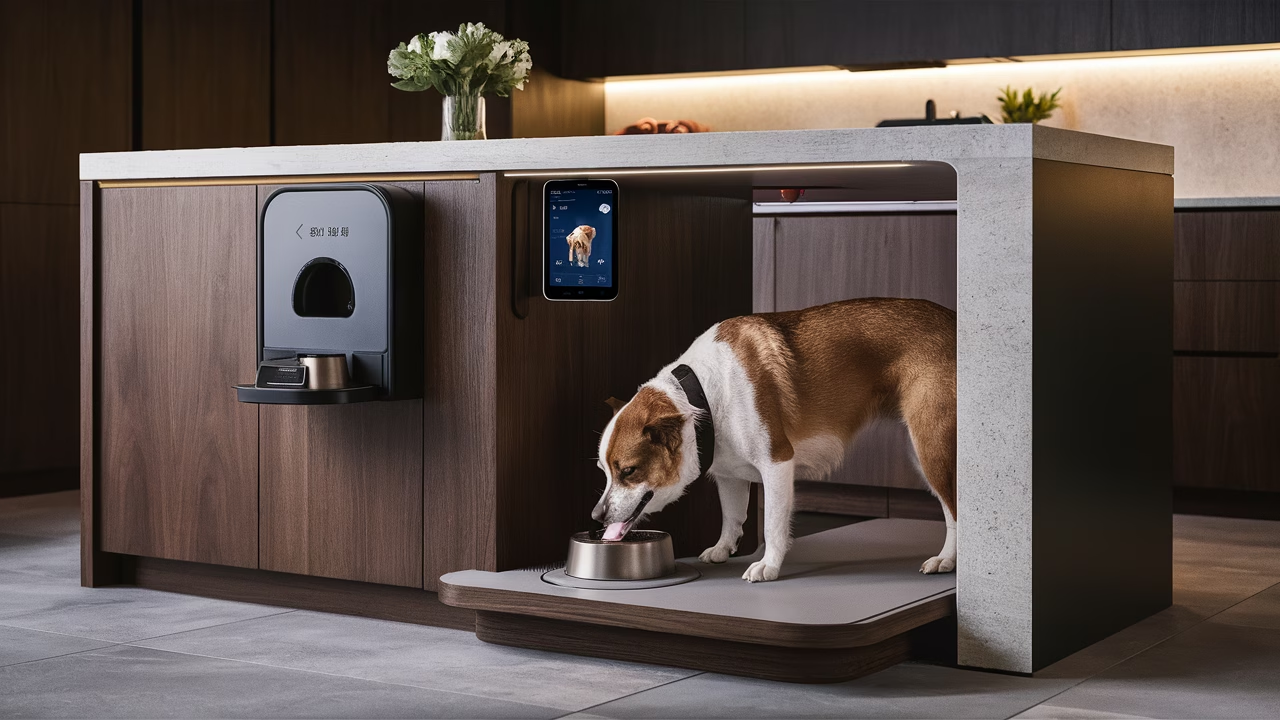
The advent of smart home technology has opened up a world of possibilities for the `kitchen dog food station`. Automatic feeders, for example, are a game-changer for busy pet parents. They dispense food at programmed times, ensuring consistent meal schedules and precise portion control. Many models even connect to your smartphone, allowing you to monitor feeding, dispense extra portions remotely, or even record messages for your pet.
Smart water dispensers are another excellent addition to any `pet-friendly kitchen`. These often feature filtration systems, ensuring your dog always has access to fresh, clean water. Some even have motion sensors that activate the water flow, encouraging hydration. These technologies not only provide convenience but also enhance your pet’s health and well-being. Integrating these devices into your custom `kitchen pet station` can make it feel incredibly modern and efficient.
Beyond feeders, consider smart `storage` solutions for `pet food storage`. Airtight, motion-activated bins can keep food fresh and pest-free, while also making it easy to access. Some homeowners even integrate smart home cameras near their `pet feeding area` to keep an eye on their furry friends during the day. These accessories, when thoughtfully chosen and integrated, elevate the functionality of your kitchen and provide peace of mind.
Stylish Storage Solutions for Pet Food: Keeping Clutter at Bay
One of the biggest challenges in maintaining a tidy, `pet-friendly kitchen` is managing `pet food storage` and supplies. Large bags of kibble, treat containers, and an assortment of leashes and toys can quickly lead to visual clutter. However, with `creative dog food storage in kitchens`, you can keep everything organized and out of sight, ensuring your kitchen maintains its elegant appeal.
Creative Dog Food Storage Ideas for Kitchens: Function Meets Form
Built-in `storage` is always the most seamless solution. During a `kitchen remodel` or `makeover`, consider integrating pull-out bins for pet food directly into your cabinetry. These custom bins can be lined with metal or plastic for easy cleaning and are designed to hold large bags of kibble, keeping it fresh and hidden. They can even feature a scooping mechanism or a small cutting board on top for portioning.
For those not undergoing a full `remodel`, repurposing existing pantry space or a dedicated pantry cabinet can work wonders. Install deep, accessible drawers or sliding shelves that can hold airtight containers of `pet food storage`. These containers, often made of BPA-free plastic or ceramic, not only keep food fresh but also look much better than open bags. Think vertically – utilize stackable containers or install narrow shelving for treats and smaller items. Many `kitchen design ideas` now include dedicated `storage` areas that are easily accessible to humans but secure from curious paws.
Beyond food, think about leashes, collars, and toys. A small, decorative basket tucked under the `kitchen dog food station` can hold toys, while a set of elegant hooks inside a cabinet door can keep leashes tidy. The key is to assign a designated, aesthetically pleasing home for every pet item, reducing visual noise and creating a more organized kitchen `layout`. This attention to detail is what transforms a functional space into a truly `pet-friendly kitchen` that radiates calm and order.
Waste Management and Cleaning: Keeping Your Kitchen Pristine
Even with the most meticulously designed `kitchen dog food station`, spills and crumbs are inevitable. Proactive waste management and easy-clean surfaces are essential for maintaining a pristine, `pet-friendly kitchen`. Consider integrating a small, pull-out waste bin directly into the `pet feeding area` for easy disposal of food scraps or packaging. This keeps mess contained and convenient.
For surfaces, I cannot stress enough the importance of wipeable, durable materials. As mentioned earlier, porcelain tiles, LVP, or even sealed concrete flooring around the `kitchen dog food station` will be your best friend. For walls, consider installing a washable paint or a tile backsplash that matches your `countertops` to protect against splashes. A silicone mat placed under bowls, while simple, is incredibly effective at containing spills and can be easily wiped clean or tossed in the dishwasher. These seemingly small additions make a world of difference in keeping your kitchen hygienic and beautiful.
Finally, think about accessibility for cleaning. Design your `kitchen dog food station` so that bowls can be easily removed for washing, and the surrounding area can be quickly vacuumed or mopped. If you’ve opted for a built-in cabinet solution, ensure there’s enough space to reach all corners. The goal is to make daily maintenance effortless, ensuring that your kitchen remains a clean and inviting space for every member of your household, furry or otherwise. It’s an integral part of `pet-friendly kitchen design tips` that many overlook.
Real-World Inspiration and Expert Advice for Your Pet-Friendly Kitchen
Having explored a myriad of `DIY kitchen dog food station ideas` and `innovative ways to incorporate pet needs into kitchen space`, it’s clear that the possibilities are as boundless as our love for our pets. My journey as a home decor blogger has allowed me to witness firsthand the incredible transformations homeowners achieve when they approach their `kitchen remodel` or `makeover` with a pet-centric mindset. It’s not just about incorporating elements; it’s about creating a lifestyle within your home that embraces every family member.
One of the most heartwarming trends I’ve observed from homeowners just like you is the shared desire for spaces that cater to both human and canine comfort without compromise. The feedback I consistently receive highlights the joy of a clutter-free kitchen that still manages to provide a dedicated, hygienic, and accessible `pet feeding area`. Many have successfully utilized pull-out drawers, similar to the `space-saving pet feeding solutions for kitchens` we discussed, to keep bowls out of sight until mealtime. Others rave about custom cabinetry designed for `creative dog food storage in kitchens`, where large kibble bags disappear behind stylish doors, maintaining the aesthetic of their carefully curated `kitchen design ideas`.
These real-world applications underscore the effectiveness of these `pet-friendly kitchen design tips`. Homeowners frequently comment on how a well-thought-out `kitchen dog food station` not only simplifies their daily routine but also adds a touch of bespoke elegance to their home. Whether it’s matching the `countertops` of a built-in nook to the main island, or selecting flooring that stands up to paw traffic, these details elevate the overall functionality and appeal. The success stories often involve kitchens where the `layout` was re-evaluated, making sure pet zones flow naturally within the human zones, avoiding trip hazards and ensuring a peaceful coexistence.
My ultimate advice for you is to envision your kitchen through your dog’s eyes. Where do they wander? What areas do they gravitate towards? How can you make their daily rituals, particularly feeding and drinking, as comfortable and integrated as possible? Don’t be afraid to experiment with `DIY kitchen dog food station ideas` – sometimes the most unique solutions come from personal necessity and creativity. And if you’re planning a `kitchen remodel`, remember to bring up your pet-friendly aspirations with your designer or contractor early in the process. Integrating these elements from the blueprint stage ensures a seamless, cost-effective, and truly successful `makeover`.
Embrace the opportunity to make your kitchen a testament to your love for your dog. With these `innovative ways to incorporate pet needs into kitchen space`, your kitchen won’t just be a place for cooking; it will be a harmonious hub where every member of your family, furry or otherwise, thrives. Your dream `pet-friendly kitchen` is not just achievable; it’s within your reach.
TL;DR: Transform Your Kitchen with Innovative Pet Stations
Creating a truly `pet-friendly kitchen` means going beyond just placing bowls on the floor. It’s about seamless integration, smart functionality, and maintaining your home’s aesthetic. As a home decor blogger, I’ve seen how strategic design can transform cluttered kitchens into beautiful, harmonious spaces for both humans and their canine companions.
- DIY Kitchen Dog Food Station Ideas: Explore practical and stylish solutions like pull-out drawers, converted bottom cabinets, or built-in nooks under countertops. These `DIY kitchen dog food station ideas` hide bowls when not in use, reducing clutter and enhancing your kitchen’s clean lines.
- Pet-Friendly Kitchen Design Tips: Integrate pet needs into your `kitchen remodel` or `makeover` by focusing on durable, easy-to-clean materials for flooring and surfaces. Prioritize a `layout` that ensures safety and clear traffic flow.
- Innovative Ways to Incorporate Pet Needs: From integrating feeding stations into kitchen islands to utilizing toe-kick spaces, these `innovative ways to incorporate pet needs into kitchen space` ensure your `kitchen dog food station` blends seamlessly with your decor.
- Space-Saving Pet Feeding Solutions: For smaller kitchens, consider wall-mounted feeders or multi-functional furniture. These `space-saving pet feeding solutions for kitchens` maximize every inch without sacrificing style.
- Creative Dog Food Storage: Keep kibble fresh and hidden with built-in pull-out bins in cabinetry or stylish, airtight containers in your pantry. These `creative dog food storage in kitchens` ideas eliminate unsightly bags and maintain an organized look.
- Smart Tech & Maintenance: Incorporate automatic feeders and water dispensers for convenience, and design for easy cleanup with wipeable surfaces and accessible waste bins.
By filling the gaps left by competitors, this guide provides detailed design ideas and practical tips, showing you how popular solutions truly work in real homes. Your ideal `kitchen dog food station` is an achievable part of a functional, beautiful, and truly pet-friendly home.

