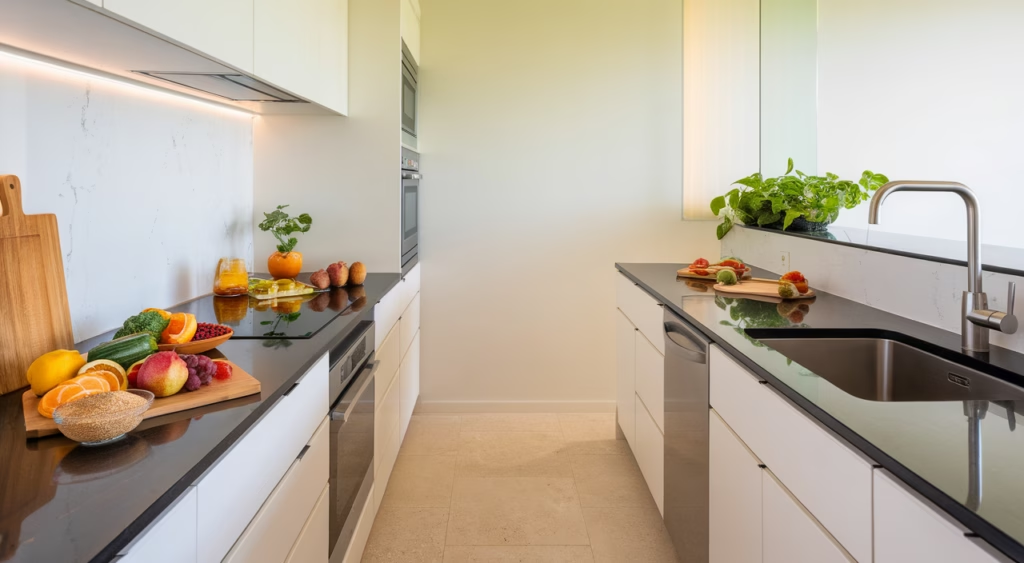
What practical kitchen design ideas can truly simplify diabetes meal prep?
As a nutritionist, I often see how a well-designed kitchen can transform the daily routine of someone managing diabetes. Practical kitchen design ideas for diabetes meal prep aren’t just about aesthetics; they’re about creating an intuitive, efficient, and supportive environment that encourages healthier eating habits and streamlines the often-challenging process of preparing balanced meals.
For individuals living with diabetes, or for those who lovingly care for them, the kitchen is more than just a place to cook. It’s the heart of health management, where every meal, every snack, can significantly impact blood sugar levels and overall well-being. The thought of consistent healthy meal planning can feel daunting, but with the right kitchen design elements, we can turn that overwhelm into empowerment. This article will guide you through tangible strategies, from essential tools to smart layouts, ensuring your kitchen becomes a powerful partner in your diabetes management journey.
Essential Kitchen Tools for Diabetes Meal Prep
When it comes to diabetes meal planning, having the right tools at your fingertips isn’t a luxury; it’s a necessity. These aren’t just gadgets; they are extensions of your intention to eat healthily, designed to make measuring, portioning, and preparing nutrient-dense foods simpler and faster. Let’s delve into the indispensable items that form the foundation of a diabetic-friendly kitchen setup.
Precision Measuring Tools: Accurate portion control is paramount for diabetes management. Investing in a reliable food scale is perhaps the most crucial tool. It allows you to precisely measure proteins, carbohydrates, and fats, ensuring your meals align with your dietary recommendations. Beyond scales, a good set of measuring cups and spoons is essential for liquids and dry ingredients, helping you stick to recipes and avoid guesswork. Look for sets with clear, easy-to-read markings that won’t fade with frequent washing.
High-Quality Knives and Cutting Boards: Efficient chopping and dicing are key to faster meal prep. A sharp chef’s knife, a paring knife, and a serrated knife will cover most of your needs. Pair these with dedicated cutting boards – ideally one for raw meats and one for produce – to prevent cross-contamination. Consider flexible cutting mats for easy transfer of chopped ingredients to pots or pans, further enhancing your healthy kitchen organization.
Food Processors and Blenders: These appliances are true time-savers. A food processor can quickly chop large quantities of vegetables, make homemade sauces without added sugars, or even whip up cauliflower rice. A blender, particularly a high-speed one, is perfect for nutrient-packed smoothies, homemade nut milks, or puréeing soups, allowing you to control ingredients and avoid hidden additives often found in store-bought options.
Steamer Baskets and Roasting Pans: Healthier cooking methods are fundamental. Steaming vegetables retains nutrients and avoids added fats. Simple bamboo or metal steamer baskets are inexpensive and fit most pots. Roasting pans are excellent for preparing lean proteins and a medley of vegetables with minimal oil, creating flavorful, satisfying meals without heavy sauces. Non-stick options can further reduce the need for excessive fats.
Meal Prep Containers: The cornerstone of successful diabetes meal planning is often advanced preparation. High-quality, microwave-safe, BPA-free containers are vital. Look for options with compartments to keep different food groups separate, which aids in portion control and prevents meals from getting soggy. Glass containers are excellent for durability and ease of cleaning, and they allow you to see your prepped meals at a glance, making healthy choices more accessible.
Choosing the Right Storage Solutions
Effective storage is not just about tidiness; it’s about accessibility and maintaining the freshness of healthy ingredients. For a diabetic-friendly kitchen design, smart storage solutions play a critical role in preventing food waste and ensuring you always have the right components for a balanced meal.
Clear Containers for Pantry and Fridge: Visibility is key. When you can see your healthy snacks and meal components, you’re more likely to reach for them. Use clear, airtight containers for grains, nuts, seeds, and dried fruits in your pantry. In the fridge, clear bins and containers for pre-chopped vegetables, lean proteins, and fruits make it easy to grab and go or quickly assemble a meal. This not only promotes healthy choices but also helps you monitor your inventory, reducing impulse buys of less healthy alternatives.
Vertical Storage for Maximized Space: Kitchens, regardless of size, can benefit from vertical storage. Shelf risers in cabinets can double your usable space for plates or smaller appliances. Stackable containers in the fridge optimize space for prepped meals. Wall-mounted racks for spices, often filled with sugar-free herbs and seasonings, keep them within easy reach, encouraging their use over high-sodium or high-sugar condiments.
Dedicated Zones: Designate specific areas for different food types or meal components. For instance, a "snack zone" in your fridge stocked with pre-portioned fruits, vegetables, and low-fat dairy can be invaluable. A "baking zone" (if you do sugar-free baking) with your alternative flours and sweeteners grouped together can streamline the process. This form of healthy kitchen organization reduces decision fatigue and makes healthy habits automatic.
Organizing a Diabetes-Friendly Pantry
A well-organized pantry is the backbone of diabetes meal planning. It’s where healthy intentions meet practical execution. A diabetic-friendly pantry setup minimizes temptations and maximizes the availability of blood sugar-friendly staples.
Prioritize Whole Grains and Legumes: Store whole-grain pasta, brown rice, quinoa, oats, and a variety of canned or dried beans and lentils in prominent, easy-to-access locations. Use clear, labeled canisters to keep them fresh and visible. These form the base of many balanced meals and should be your go-to choices.
Stock Smart Snacks: Keep shelves dedicated to healthy, portion-controlled snacks like nuts (unsalted), seeds, whole-grain crackers, and sugar-free jerky. By having these readily available and neatly arranged, you’re less likely to reach for processed, high-sugar alternatives when hunger strikes.
Control Condiments and Sweeteners: While some condiments can be beneficial, many are laden with added sugars and sodium. Group your healthy fats (olive oil, avocado oil), vinegars, herbs, and spices together. Keep artificial sweeteners or natural, low-glycemic sweeteners (like stevia or erythritol) in a separate, clearly marked section, away from conventional sugars to avoid accidental use. Ensure any canned goods are low-sodium or no-sugar-added varieties.
Regular Inventory and Rotation: Make it a habit to regularly check expiration dates and rotate older items to the front. This prevents waste and ensures you’re always working with fresh ingredients. A simple inventory list taped inside the pantry door can also help you track what you have and what you need, making grocery shopping more efficient.

Layout Configurations for Efficient Diabetes Meal Prep
The physical arrangement of your kitchen, the very layout configurations, can profoundly impact your efficiency and enjoyment of meal prep. For someone managing diabetes, an optimized layout minimizes unnecessary movement, reduces frustration, and makes the process of preparing healthy meals feel less like a chore and more like a fluid, intuitive activity. We’re aiming for a space where every action is deliberate and effortless, supporting your diabetes meal planning goals.
The Work Triangle Redefined: Traditionally, kitchen design focuses on the "work triangle" of the refrigerator, sink, and stove. For diabetes meal prep, we can refine this concept to emphasize key stations. Think of a prepping station (sink, cutting board, waste bin, and primary knife/peeler storage), a cooking station (stove, pots/pans, cooking utensils, spices), and a plating/serving station. Ensuring a clear, unobstructed path between these areas is critical for smooth transitions and safety, especially when handling hot items.
Dedicated Prep Zones: Create a dedicated area for ingredient preparation. This means having ample counter space near your sink and close to your primary refrigerator. Equip this zone with frequently used items like cutting boards, knives, measuring cups, and a compost or trash receptacle. If space allows, an island or peninsula can serve as an excellent, multi-functional prep zone, offering additional storage underneath for large mixing bowls or small appliances like your food processor.
Proximity Principle for Healthy Choices: Arrange your kitchen so that healthy ingredients and tools are more accessible than less healthy alternatives. Store your fruit bowl on the counter, not hidden in the fridge drawer. Keep your essential kitchen tools for diabetes-friendly kitchen setup (like food scales and portion-control containers) in easily reachable drawers or open shelving near your prep area. Conversely, place less frequently used or less blood sugar-friendly items in less convenient locations, discouraging impulsive grabs.
Appliance Placement for Flow: Think about the sequence of your meal prep. Your toaster oven for healthy breakfasts, or air fryer for quick, low-fat protein, should be placed where they are most logically used, without creating bottlenecks. If you use a slow cooker regularly for bulk meal prep, ensure it has a dedicated spot with access to an outlet and ventilation, preventing it from cluttering prime counter space when not in use. This careful consideration of appliance placement contributes significantly to an efficient, healthy kitchen layout for diabetes.
Adequate Lighting: Good lighting is often overlooked but is crucial for accurate measurement and safe knife handling. Task lighting directly over your prep areas, stove, and sink can significantly improve visibility, making it easier to read food labels, measure ingredients precisely, and identify the freshness of produce. Under-cabinet lighting is particularly useful for illuminating countertops.
Incorporating Visual Cues for Healthy Food Choices
In the realm of diabetes management, psychology plays a significant role. Our environment can subtly nudge us towards healthier decisions or, conversely, lead us astray. By incorporating thoughtful visual cues into your kitchen design, you can create a powerful, subconscious reminder system that champions healthy food choices and reinforces your diabetes meal planning goals. It’s about making the healthy path the path of least resistance, literally and visually.
"See What You Eat" Philosophy: This is perhaps the most impactful visual cue. Store healthy foods in clear, visible containers. Fresh fruits and vegetables should be displayed prominently on counters in attractive bowls or in clear drawers in the refrigerator. When you open your fridge, your eyes should immediately land on vibrant, healthy options like pre-cut veggies, berries, or lean protein portions, not on less desirable items. Similarly, in your pantry, use clear jars for whole grains, nuts, and seeds, making them easily identifiable and appealing.
Strategic Placement of Healthy Snacks: If you have a designated "snack zone" in your fridge or pantry, ensure it’s at eye level or easily accessible. Place healthier, pre-portioned snacks like string cheese, Greek yogurt, hard-boiled eggs, or bags of baby carrots in the most convenient spots. This minimizes the mental effort required to make a good choice, especially when hunger strikes unexpectedly. This simple diabetic-friendly kitchen organization technique is surprisingly effective.
Inspirational Signage or Artwork: Consider adding subtle, health-oriented artwork or even a small whiteboard with healthy meal prep tips or your weekly meal plan near your cooking area. These gentle reminders can reinforce your commitment to healthy eating and keep your diabetes management goals top of mind. A calendar marking your exercise days or a quote about mindful eating can serve as positive affirmations in your cooking sanctuary.
Color Psychology: While not a direct food cue, the colors in your kitchen can influence your mood and, indirectly, your eating habits. Cooler, calming colors like blues and greens are often associated with health and freshness. Incorporating these through accent pieces, dishware, or even a backsplash can contribute to a serene environment conducive to thoughtful meal preparation. Avoid overly stimulating colors that might encourage hurried eating.
Portion-Controlled Dishware: While not strictly a design element, having appropriately sized plates and bowls readily available serves as a powerful visual cue for portion control. Large plates can make a healthy portion look small, leading to overeating. Keep smaller plates, salad bowls, and even bento-style containers visible and accessible, encouraging you to serve yourself sensible portions from the outset. This is a practical tip for implementing diabetes-friendly kitchen design that has immediate impact.
Practical Tips for Implementing Diabetes-Friendly Kitchen Design
Transforming your kitchen into a bastion of healthy eating for diabetes management doesn’t require a complete overhaul or a massive budget. Often, it’s about making smart, incremental changes and adopting habits that support your wellness goals. Here, we’ll dive into practical, actionable tips to effectively implement the kitchen design elements for diabetes meal prep we’ve discussed, ensuring they become an integral part of your daily routine.
Start Small and Gradually Expand: Don’t feel pressured to tackle everything at once. Begin with one area, like organizing your pantry or decluttering your main prep zone. Once you’ve successfully implemented that change and experienced its benefits, move on to the next. This gradual approach makes the process less overwhelming and more sustainable in the long run. Even small steps contribute to a significant improvement in your healthy kitchen organization.
Declutter Ruthlessly: A cluttered kitchen is a stressful kitchen, and stress can impact healthy decision-making. Remove any items that don’t serve your diabetes meal planning goals. This includes old appliances you never use, unnecessary duplicate tools, or expired pantry staples. A clear counter and organized cabinets make it easier to find what you need, fostering a calm environment for cooking.
Label Everything: For both pantry and fridge items, clear and consistent labeling is invaluable. Label containers with the contents and the date they were stored or opened. This helps with food rotation, prevents waste, and makes it easier for everyone in the household to find what they need, especially when dealing with specific dietary needs like those for diabetes. Consider using different colored labels for different dietary categories if that helps your household.
Create a Meal Prep Schedule: While not a physical design element, establishing a consistent meal prep schedule is a practical application of your kitchen’s design. Designate one or two days a week for prepping ingredients, cooking in bulk, and portioning meals. Your efficiently designed kitchen will then support this schedule, turning what could be a chore into a streamlined process. Having your essential tools for diabetes-friendly kitchen setup readily available will make this schedule feel effortless.
Involve the Family: If you live with others, educate them on the importance of your diabetic-friendly kitchen design and organization. Show them where healthy snacks are stored, how to use the food scale, and why certain items are placed in specific areas. When everyone is on board, maintaining the system becomes much easier, creating a supportive environment for your diabetes management.

Maximizing Space and Flow: Advanced Kitchen Organization
Even in the most compact kitchens, there are innovative ways to maximize space and enhance workflow, making diabetes meal planning a more enjoyable and less cumbersome experience. This goes beyond basic decluttering; it’s about intelligent design and strategic placement that turns every square inch into a functional asset, directly addressing the need for maximizing space for diabetic meal planning.
Vertical Storage Solutions Reinvented: Think beyond simple shelf risers. Explore wall-mounted magnetic knife strips (safer and frees up drawer space), pegboards for hanging pots and pans, or overhead pot racks if your ceiling allows. Slim, rolling utility carts can slide into narrow spaces, providing extra counter surface or storage for often-used items like spices, oils, or even a small cutting board. These solutions are particularly beneficial in smaller kitchens, allowing for a more expansive work area for prepping a variety of diabetes-friendly ingredients.
Smart Drawer and Cabinet Inserts: The inside of your cabinets and drawers holds immense potential for efficient organization. Adjustable drawer dividers keep utensils neatly separated and easy to find, preventing rummaging that can waste time and energy. Pull-out pantry shelves or lazy Susans in corner cabinets make items at the back accessible, ensuring no healthy ingredient goes forgotten or expires due to being out of sight. Tiered spice racks ensure you can quickly locate your low-sodium, sugar-free seasonings for healthy cooking.
Multi-functional Appliances and Zones: In smaller kitchens, every appliance needs to earn its counter space. Consider multi-functional gadgets like an Instant Pot (which can pressure cook, slow cook, steam, and sauté) or a stand mixer with attachments that can grind, spiralize, or make pasta. Designate a “flex zone” on your counter that can serve as a baking station, a meal prep area, or a coffee bar, depending on your immediate needs. This flexibility is a hallmark of intelligent diabetic-friendly kitchen design.
Under-Sink Organization: Don’t overlook the space under your sink. Utilize pull-out bins or small drawers for cleaning supplies, keeping them contained and out of the main food prep areas. This often frees up upper cabinet space for food items or small appliances, contributing to a more streamlined and healthy kitchen layout for diabetes. A clear, designated space for everything reduces visual clutter and mental fatigue.
Creating a "Grab-and-Go" Hub: Designate a specific, easily accessible area for healthy grab-and-go snacks and prepped meal components. This could be a specific shelf in your fridge, a corner of your counter, or a small bin in your pantry. Stock it with portioned nuts, fruit, low-fat yogurt, and pre-cut vegetables. The easier it is to access healthy options, the more likely you are to choose them, directly supporting your diabetes meal prep tips and consistent blood sugar management.
Long-Term Maintenance for a Diabetes-Friendly Kitchen
Building a diabetes-friendly kitchen is an investment in your health, but its effectiveness relies on consistent long-term maintenance. This isn’t about rigid adherence, but rather about establishing sustainable habits that keep your kitchen a supportive and efficient space for your ongoing diabetes management. As your nutritionist, I emphasize that consistency, not perfection, is the key to lasting success in your diabetes meal planning.
Regular Decluttering and Review: Make it a habit to regularly (e.g., monthly or quarterly) declutter your kitchen. Go through your pantry, fridge, and freezer, checking expiration dates and discarding anything that’s no longer fresh or healthy. This prevents overcrowding and ensures that your kitchen design elements for diabetes meal prep remain effective. A quick 15-minute tidy-up at the end of each cooking session can prevent buildup and keep your space inviting.
Seasonal Adjustments: Your eating habits and available produce might shift with the seasons. Be prepared to adjust your kitchen organization to accommodate this. For instance, in summer, you might prioritize space for fresh berries and salads; in winter, you might focus more on root vegetables and hearty stews. This flexibility ensures your kitchen remains optimized for the healthy ingredients you’re currently using, keeping your healthy kitchen organization dynamic and responsive.
Tool and Appliance Care: Keep your essential kitchen tools for diabetes-friendly kitchen setup in top condition. Sharpen knives regularly, clean blenders and food processors promptly, and maintain your cooking appliances. Well-maintained tools make cooking enjoyable and efficient, whereas dull knives or dirty appliances can deter you from preparing meals. This small effort preserves the functionality of your diabetic-friendly kitchen design.
Feedback and Adaptation: Pay attention to what works well and what doesn’t in your kitchen. Are there areas that still feel inefficient? Are certain storage solutions not meeting your needs? Don’t be afraid to make adjustments. Your kitchen should evolve with your lifestyle and preferences. Perhaps you discover a new favorite healthy food that requires a different type of storage, or you find a new meal prep strategy that necessitates reorganizing a drawer. Continuous adaptation ensures your kitchen remains a powerful ally in your diabetes management.
Replenish and Restock Strategically: Develop a system for replenishing your healthy pantry and fridge staples. This could involve a weekly grocery list based on your meal plan, or a running list on your phone. The goal is to avoid running out of key healthy ingredients, which can lead to last-minute, less healthy choices. A well-stocked diabetic-friendly pantry setup is a proactive step towards consistent healthy eating.
By embracing these long-term maintenance strategies, you’re not just organizing a kitchen; you’re cultivating a sustainable environment that consistently supports your health goals. Your thoughtfully designed and maintained kitchen becomes a testament to your commitment to wellness, making diabetes meal planning not just manageable, but truly empowering.
TL;DR: Practical Kitchen Design for Diabetes Meal Prep
Creating a kitchen that truly supports diabetes meal prep is about thoughtful design and smart organization, not a costly renovation. It’s about empowering you to make healthier choices with ease and confidence. We’ve explored practical kitchen design ideas for diabetes meal prep that transform your cooking space into an efficient, health-promoting hub.
- Essential Tools: Equip your kitchen with a reliable food scale, sharp knives, quality cutting boards, and time-saving appliances like blenders and food processors. These are your allies for precise portioning and efficient prep.
- Smart Storage: Prioritize clear, airtight containers for both pantry and fridge. Embrace vertical storage solutions and designate specific zones for different food types to improve visibility and accessibility of healthy ingredients. An organized, diabetes-friendly pantry setup is crucial.
- Efficient Layouts: Optimize your kitchen’s layout by refining the work triangle into dedicated prep, cooking, and plating stations. Ensure clear pathways and strategic appliance placement to minimize movement and maximize flow, supporting a healthy kitchen layout for diabetes.
- Visual Cues: Use "see what you eat" principles by displaying healthy foods prominently. Strategic placement of healthy snacks and even inspirational reminders can subtly nudge you towards better choices and reinforce your diabetes meal planning.
- Practical Implementation & Maintenance: Start small, declutter regularly, label everything, and involve your family. For maximizing space for diabetic meal planning, consider advanced organization like drawer inserts, multi-functional appliances, and under-sink solutions. Consistent long-term maintenance, including regular reviews and seasonal adjustments, ensures your kitchen remains a powerful tool in your ongoing diabetes management.
By implementing these thoughtful design elements and practical tips, your kitchen will become a supportive partner in your journey towards healthier eating and effective diabetes management, making meal prep seamless and stress-free.

