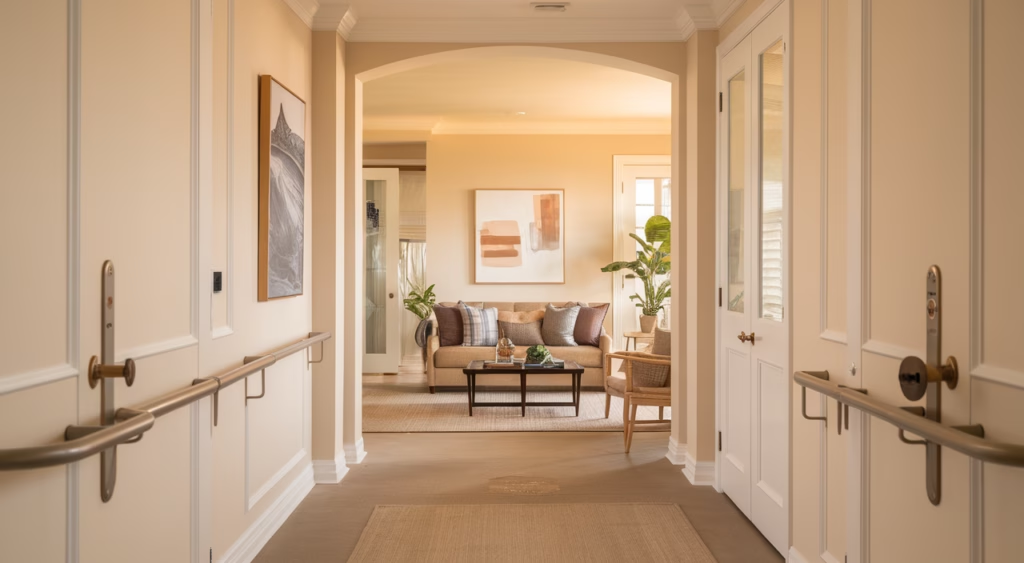
How can accessible home design for seniors truly transform a living space into a haven of comfort, safety, and lasting independence?
As an interior designer dedicated to age-in-place solutions, I believe that your home should be a lifelong sanctuary, gracefully adapting to your evolving needs without compromising on style or the emotional connection you share with it. Through thoughtful and empathetic design, we can transform any living space into an accessible haven, ensuring comfort, safety, and sustained independence for older adults and their families, allowing you to cherish your home for years to come.
Understanding Aging in Place Design Principles
The concept of “aging in place design” isn’t just a trend; it’s a profound commitment to maintaining independence, comfort, and safety within the familiarity of one”s own home. As someone who has spent years helping families navigate this journey, I know firsthand the peace of mind that comes from knowing your living environment supports your desires and needs as you age. It”s about proactive planning, creating a home that evolves with you, rather than forcing you to adapt to its limitations. This approach goes far beyond simply installing a grab bar; it”s a holistic philosophy that embraces accessibility, functionality, and aesthetics, ensuring your home remains a beloved and practical space for every stage of life.
At the heart of effective aging in place design are “universal design principles.” These principles advocate for creating environments and products that are usable by all people, to the greatest extent possible, without the need for adaptation or specialized design. Think of it this way: a ramp isn”t just for someone using a wheelchair; it”s also incredibly convenient for parents pushing strollers, individuals with temporary injuries, or even for easily moving furniture. By integrating universal design from the outset or through thoughtful modifications, we ensure that your home is not only accessible now but remains future-proofed against potential changes in mobility or sensory perception. This means considering everything from wider doorways and lever-style handles to contrasting colors and varied lighting, all designed to make daily living smoother and safer for everyone. The beauty of universal design is that it often enhances the aesthetic appeal of a home while subtly providing crucial support, making it feel less like a clinical adaptation and more like a naturally intuitive space.
When we apply these principles to your home, we”re actively working to fill the gaps often missed by competitors who might offer generic advice. We”re not just telling you to “make things accessible”; we”re showing you how a zero-threshold entry eliminates trip hazards for everyone and simplifies bringing in groceries, or how a bathroom with a roll-in shower provides both safety and spa-like luxury. These aren’t merely theoretical concepts; they are practical, tangible solutions that enhance daily life. For instance, consider how good lighting throughout your home, especially task lighting in kitchens and bathrooms, reduces eye strain and the risk of falls, a crucial “elderly home safety tip.” Or how smart home technology, often overlooked in aging-in-place discussions, can provide discreet assistance, from voice-activated lighting to automated temperature control, fostering greater independence. It”s about empowering you to stay in the home you love, surrounded by memories and comfort, by thoughtfully designing spaces that anticipate and meet your future needs.
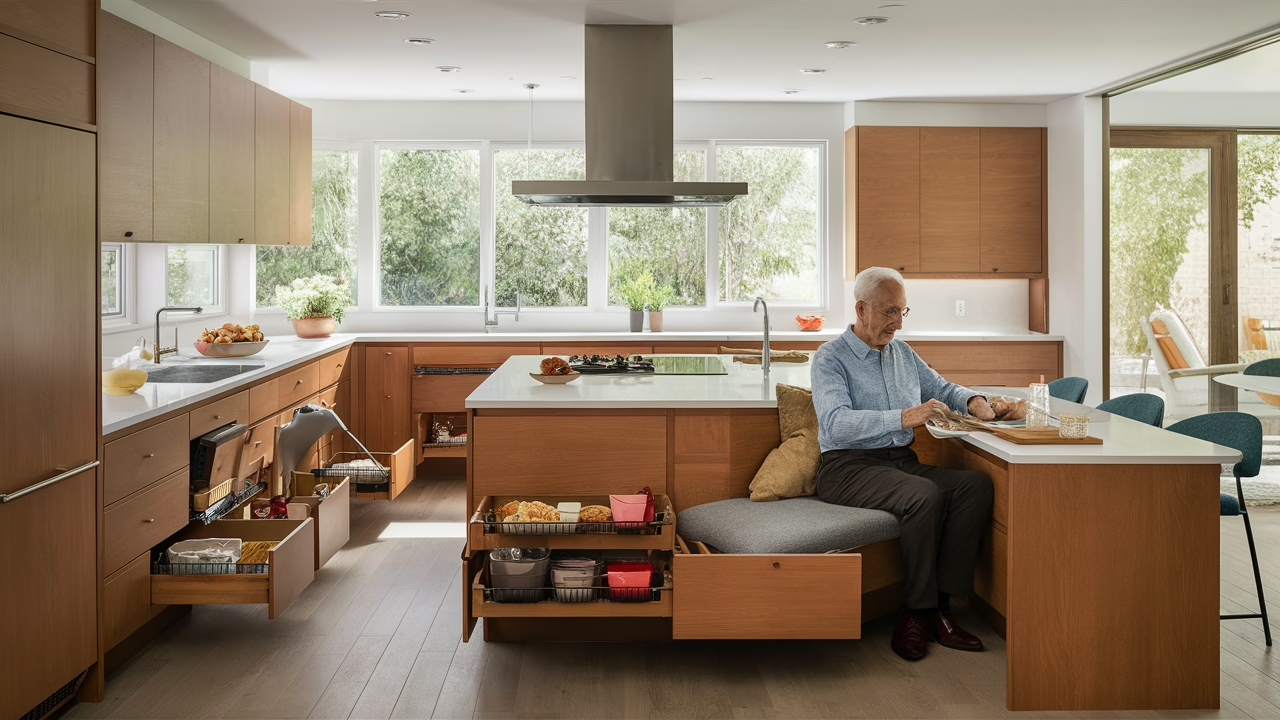
Essential Home Modifications for Seniors
When it comes to creating a truly supportive living environment, focusing on “senior-friendly home modifications” is paramount. My experience has shown that these changes, whether small or significant, can drastically improve daily life, enhancing both safety and independence. Let”s explore some detailed examples of specific design features and renovations that can make a profound difference in key areas of your home, going beyond general recommendations to offer practical, implementable solutions.
Safe and Accessible Entryways
The journey into and out of your home should be effortless. One of the most impactful “home modifications for elderly” individuals is addressing the entryway. A zero-threshold entry, where there are no steps or lips to navigate, is ideal. If a full renovation isn”t feasible, consider a well-designed ramp that meets ADA guidelines for slope and width, seamlessly integrated into your home”s aesthetic. Ensure ample outdoor lighting, preferably motion-activated, to illuminate paths after dark. Handrails on both sides of any steps or ramps are crucial, offering stable support. Think about the doorbell and keyless entry systems; a smart lock allows for easy access and can even provide temporary access codes for caregivers or family members without fumbling for keys. Inside, a sturdy bench near the door offers a place to sit while putting on or removing shoes, further contributing to a “safe home environment for seniors.”
Kitchens Designed for Ease and Enjoyment
The kitchen is often the heart of the home, and it should remain a comfortable and functional space for preparing meals and gathering with loved ones. For “accessible home design for seniors,” consider cabinet pull-out shelves or drawers instead of deep, fixed cabinets, making items much easier to reach. Lowering a section of the countertop, or installing adjustable height counters, can accommodate seated meal prep or accommodate different users. Lever-handle faucets are far easier to operate than knob styles, especially for those with arthritis. Induction cooktops offer a safer alternative to gas or electric coil burners, as they only heat the pan, reducing burn risks. Good task lighting under cabinets and in work zones is essential for visibility, a key “elderly home safety tip.” Finally, ensure clear, wide pathways between counters and appliances, adhering to “universal design principles” for comfortable maneuverability, even with mobility aids.
Bathrooms: Prioritizing Safety and Comfort
Bathrooms are frequently identified as high-risk areas, but with the right “senior-friendly home modifications,” they can become havens of relaxation and safety. A curbless or roll-in shower is a game-changer, eliminating the need to step over a barrier. Install grab bars not just in the shower, but also next to the toilet and, if space allows, near the tub. Choose grab bars that contrast with the wall color for better visibility. A shower bench or built-in seat offers comfort and security. Lever-handle faucets and a handheld showerhead are practical additions. Comfort-height toilets are easier to get on and off. Non-slip flooring is non-negotiable, and radiant floor heating can add a touch of luxury while keeping the space warm. Ensure proper ventilation to prevent mildew, and abundant lighting, especially around the vanity mirror, to assist with grooming, addressing crucial “elderly home safety tips.”
Living Spaces: Comfort and Mobility
Living rooms and bedrooms should invite relaxation and ease. For “home design for aging in place,” focus on clear pathways, ensuring furniture isn”t obstructing movement. Area rugs, while stylish, can be tripping hazards; if used, ensure they are securely anchored with non-slip pads. Furniture should be firm enough to provide support when sitting down and standing up, with armrests that are easy to grip. Recliners with power lift features can be incredibly beneficial. Good general and task lighting are important; consider smart lighting systems that can be controlled by voice or remote. In bedrooms, beds at an appropriate height for easy access are key. Light switches should be rocker or paddle style, positioned at a consistent, accessible height (around 42-48 inches from the floor) throughout the home, embodying “universal design principles.” Remember, these are not just functional changes; they are thoughtful enhancements that allow you to continue enjoying your living spaces with grace and independence.
Stylish and Functional Design Tips for Elderly-Friendly Spaces
As an interior designer, I often hear concerns that “accessible home design for seniors” means sacrificing aesthetics for functionality. I’m here to tell you that couldn’t be further from the truth! My passion lies in demonstrating how “elderly-friendly design tips” can seamlessly integrate with beautiful, modern interiors, proving that a home designed for aging in place can be both incredibly practical and stunningly stylish. The goal is to create spaces that feel intentionally designed, not just adapted, enhancing your lifestyle without shouting “senior living.”
Integrating Grab Bars as Design Elements
Let’s tackle a common concern: grab bars. Many imagine institutional-looking metal bars. However, the market has evolved dramatically! There are elegant grab bars available in various finishes like brushed nickel, bronze, and even matte black, designed to blend with your bathroom fixtures. Some are cleverly disguised as towel bars, shower shelves, or even toilet paper holders, offering support exactly where needed without looking out of place. We can select styles that complement your existing decor, turning a functional necessity into a subtle, integrated design element. Imagine a sleek, chrome grab bar that mirrors the lines of your modern faucet, or a warm bronze one that blends with rustic wood accents. The key is thoughtful placement and selection that feels intentional, not intrusive, truly embodying the spirit of “universal design principles.”
Smart Lighting for Ambiance and Safety
Lighting is one of the most powerful tools in my design arsenal for creating both safety and ambiance. Beyond bright overhead lights, consider layered lighting. This includes recessed lighting for general illumination, task lighting under kitchen cabinets and over reading nooks, and accent lighting to highlight artwork or architectural features. Smart lighting systems allow you to control brightness and color temperature, which can be immensely helpful for those with changing vision. Voice-activated or remote-controlled lights eliminate the need to fumble for switches in the dark, a critical “elderly home safety tip.” For a touch of style, decorative fixtures like sconces or pendants can add warmth and personality, while strategically placed nightlights with motion sensors provide subtle, guiding illumination without being jarring. Warm light temperatures (around 2700-3000K) create a cozy, inviting atmosphere, while brighter, cooler light (4000K+) can be used in task areas for better visibility when needed.
Flooring That’s Both Safe and Chic
Choosing the right flooring is a crucial component of “creating a safe home environment for elderly” individuals, but it doesn’t mean limiting yourself to drab options. Non-slip surfaces are paramount. Options like luxury vinyl plank (LVP), engineered wood with a matte finish, cork, or even certain types of textured ceramic or porcelain tiles can be both beautiful and safe. LVP, for instance, offers the look of wood or stone with added cushion and water resistance, making it ideal for kitchens and bathrooms. Avoiding high-pile carpets that can cause tripping is generally recommended. If you love rugs, opt for low-pile options with non-slip backings, or consider using carpet tiles which offer modularity and easy replacement. The goal is a uniform, level surface throughout your home, minimizing transitions between different flooring types which can be a tripping hazard. We can select colors and textures that align with your aesthetic vision, from rich, dark woods to light, airy tiles, ensuring your floors are as fashionable as they are functional.
Furniture Selection for Comfort and Accessibility
Furniture plays a significant role in both comfort and the overall accessibility of your home. When making “easy home modifications for aging in place,” consider pieces that offer firm support and are easy to get into and out of. Armrests are invaluable for leverage. While plush, deep sofas might seem inviting, they can be challenging to rise from. Look for sofas and chairs with a moderate seat height and density. Swivel chairs can make it easier to enter and exit a dining table. Adjustable-height desks or tables can accommodate various tasks and users, including those who prefer to work from a wheelchair. In bedrooms, ensuring adequate space around the bed for maneuverability is key, and selecting a bed frame that allows for comfortable entry and exit is vital. Consider smart furniture pieces with integrated charging ports or hidden storage that enhance functionality without cluttering your space. The design world offers an abundance of stylish, comfortable, and supportive furniture options that don”t compromise on elegance.
Ensuring Safety and Comfort in Every Room
As your trusted interior designer, my focus always extends beyond aesthetics to the fundamental well-being of those inhabiting the space. “Creating a safe home environment for elderly” individuals is not just about isolated modifications; it”s an overarching philosophy that touches every corner of your home. By thoughtfully integrating “elderly home safety tips” and comfort considerations, we can ensure your home remains a haven, providing peace of mind for you and your family.
Navigating Pathways and Preventing Falls
One of the most critical aspects of “home design for aging in place” is fall prevention. This begins with ensuring clear, unobstructed pathways throughout your home. Evaluate all high-traffic areas, removing clutter, excess furniture, or any items that might impede movement. Electrical cords, a common tripping hazard, should be secured along baseboards or covered with cord protectors. For “easy home modifications for aging in place,” consider adding contrast strips to the edges of steps if you have them, making them more visible. In multi-story homes, ensure staircases are well-lit, free of clutter, and equipped with sturdy handrails on both sides. Even small changes, like reorganizing a crowded bookshelf or clearing a hallway table, can significantly reduce risks. It”s about creating an intuitive flow that guides you safely through your space.
Leveraging Technology for Enhanced Safety and Independence
Modern technology offers incredible opportunities to enhance both safety and independence without being intrusive. Smart home devices can be game-changers for “accessible home design for seniors.” Voice-activated assistants can control lights, thermostats, and even call for help, eliminating the need to reach or move. Smart sensors can detect falls, water leaks, or smoke and alert caregivers or emergency services. Video doorbells offer security and allow you to see and speak to visitors without opening the door. Automated blinds or curtains can improve energy efficiency and provide privacy with minimal effort. While the initial thought of integrating technology might seem daunting, many systems are user-friendly and can be customized to individual needs, offering discreet support that truly elevates the quality of life and contributes significantly to “elderly home safety tips.”
Optimizing Temperature, Ventilation, and Air Quality
Comfort extends beyond physical accessibility to the very air you breathe and the temperature of your surroundings. Maintaining an optimal indoor climate is a key “senior-friendly home modification.” Smart thermostats allow for easy temperature regulation, often controllable via an app or voice command, ensuring your home is always comfortable. Proper ventilation is crucial for air quality, preventing the buildup of allergens and pollutants. Consider installing exhaust fans in bathrooms and kitchens, or even a whole-house ventilation system. Air purifiers can be beneficial, especially for those with respiratory sensitivities. Natural light, while not directly temperature-related, contributes to overall well-being and can be controlled with automated shades to manage heat gain or loss. These considerations might seem subtle, but they significantly impact daily comfort and health within your “safe home environment for elderly.”
Emergency Preparedness and Communication
A truly safe home includes planning for the unexpected. “Elderly home safety tips” must encompass emergency preparedness. Ensure that emergency contact information is clearly posted and easily accessible. Consider a medical alert system, whether a wearable device or a home-based unit, that can summon help with the push of a button. Smoke detectors and carbon monoxide detectors should be regularly tested and strategically placed throughout the home. Fire extinguishers should be accessible and residents should know how to use them. For those with hearing impairments, visual smoke alarms are available. Having an emergency kit with essentials like a flashlight, first-aid supplies, and important documents is also a wise precaution. Discussing an emergency plan with family and neighbors ensures that everyone knows what to do in a crisis, fostering a robust and “safe home environment for seniors.” This holistic approach to safety ensures that you are prepared for any eventuality, providing complete peace of mind.
Personalized Recommendations and Practical Implementation
As an interior designer, I emphasize that there’s no one-size-fits-all solution for “home design for aging in place.” Every individual, every family, and every home is unique. That’s why personalized recommendations and practical tips for implementation are crucial, a detail often overlooked by competitor articles. My approach always begins with understanding *your* specific needs, desires, and the distinct characteristics of your living space. This tailored perspective ensures that your “aging in place design” is not just effective but also deeply personal and perfectly suited to you.
Starting with a Comprehensive Assessment
The first practical step is always a thorough assessment. This involves evaluating your current home layout and identifying both existing strengths and potential challenges. We look at everything from the width of your doorways and hallways to the heights of countertops, the types of flooring, and the accessibility of light switches and outlets. Crucially, this assessment also considers your current mobility, any potential future needs, and your lifestyle. Do you love to cook? Do you entertain frequently? Do you have hobbies that require specific space or lighting? Understanding these elements allows us to create a plan that truly reflects you, focusing on the “home modifications for elderly” that will yield the greatest benefit for your unique situation. This initial phase helps us identify the “easy home modifications for aging in place” that can provide immediate benefits, as well as envisioning larger renovations that might be phased in over time.
Phased Approach to Renovations
You don’t have to overhaul your entire home overnight. Many families find a phased approach to be more manageable and financially sensible. We can prioritize modifications based on urgency, impact, and budget. For example, addressing bathroom safety with grab bars and non-slip mats might be an immediate priority, an essential “elderly home safety tip.” Wider doorways or a curbless shower might be a larger project planned for a later stage. This strategic planning ensures that your home continuously adapts to your evolving needs without causing undue stress or financial strain. It allows for flexibility, ensuring that each step taken contributes effectively to “creating a safe home environment for elderly” without disrupting your life more than necessary. We work together to create a realistic timeline and budget, ensuring that your vision for a comfortable, accessible home comes to life incrementally.
Integrating Aesthetics with Functionality
As discussed, “accessible home design for seniors” absolutely does not mean compromising on style. My role is to help you select materials, finishes, and fixtures that are both highly functional and aesthetically pleasing. For instance, rather than a utilitarian ramp, we might design a gracefully sloped pathway with integrated planters and ambient lighting that enhances your home”s curb appeal. Instead of stark grab bars, we choose ones that blend seamlessly with your bathroom hardware, or even double as towel racks. We can select furniture that is supportive and comfortable, yet also reflects your personal taste and integrates with your existing decor. The goal is always to create an environment that feels welcoming, elegant, and uniquely yours, where every “elderly-friendly design tip” is implemented with an eye for beauty. It”s about crafting a home that you are proud of, a space that supports your life without feeling like a clinical adaptation, a key differentiator in my approach compared to competitor articles that often miss this nuanced balance.
The Value of Professional Guidance
While many “easy home modifications for aging in place” can be tackled by a motivated homeowner, some aspects of “aging in place design” truly benefit from professional expertise. Working with a designer specializing in this field, like myself, provides invaluable guidance. We can identify potential issues you might overlook, recommend contractors experienced in accessible design, and help navigate product choices that meet both your functional and aesthetic requirements. We stay up-to-date on the latest “universal design principles” and products, ensuring your home benefits from the most effective and innovative solutions. Furthermore, a professional can help you visualize changes, ensuring that major renovations are well-planned and executed to avoid costly mistakes. Personalized recommendations mean understanding your unique story and translating that into a home design that celebrates your independence and comfort for years to come.
Conclusion: Your Home, Designed for Life
Our journey through “home design for aging in place” reveals that creating a truly supportive and comfortable living environment is a blend of empathy, practicality, and thoughtful aesthetics. It’s about empowering you and your loved ones to cherish your home for the long term, adapting it proactively to meet changing needs without ever compromising on the warmth, beauty, and memories held within its walls. We”ve explored how integrating “universal design principles” and implementing “senior-friendly home modifications” can transform every room, from accessible entryways to safe, stylish bathrooms and kitchens. We”ve seen that “elderly home safety tips” can be seamlessly woven into your decor, proving that functionality and elegance can coexist harmoniously.
The key takeaway is that your home can and should be a sanctuary that evolves with you. By focusing on personalized recommendations, practical implementation tips, and a phased approach to renovations, we ensure that every modification, whether it”s a subtle adjustment like improved lighting or a significant change like a curbless shower, genuinely enhances your daily life. My goal as an interior designer is to help you navigate this process with confidence, transforming your home into a space that provides lasting independence, comfort, and safety. Embrace the journey of creating a home that is truly designed for life, a place where you can age gracefully, comfortably, and beautifully.
TL;DR: Creating a Safe and Inviting Home for a Lifetime of Comfort
Are you wondering how accessible home design for seniors can truly enhance comfort and independence? It’s all about thoughtful planning and smart modifications. “Home design for aging in place” is an empathetic approach to ensure your beloved living space gracefully adapts to your evolving needs, allowing you to stay safely and comfortably for years.
- We delve into “universal design principles,” which guide us in creating spaces that are inherently usable by everyone, not just those with specific needs.
- Discover detailed examples of “senior-friendly home modifications,” from zero-threshold entries and accessible kitchens with pull-out shelves to curbless showers and grab bars disguised as stylish accessories.
- Learn how to integrate “elderly-friendly design tips” that prioritize both aesthetics and functionality. Think smart lighting for ambiance and safety, non-slip flooring that’s chic, and comfortable, supportive furniture.
- Crucial “elderly home safety tips” are woven into every aspect, covering clear pathways, smart home technology for assistance, and emergency preparedness.
- The process is highly personalized: we begin with a comprehensive assessment of your home and lifestyle, offering a phased approach to renovations that fits your budget and timeline.
- The goal is always to create a “safe home environment for elderly” individuals, proving that “easy home modifications for aging in place” can lead to a stylish, functional, and deeply personal sanctuary.

