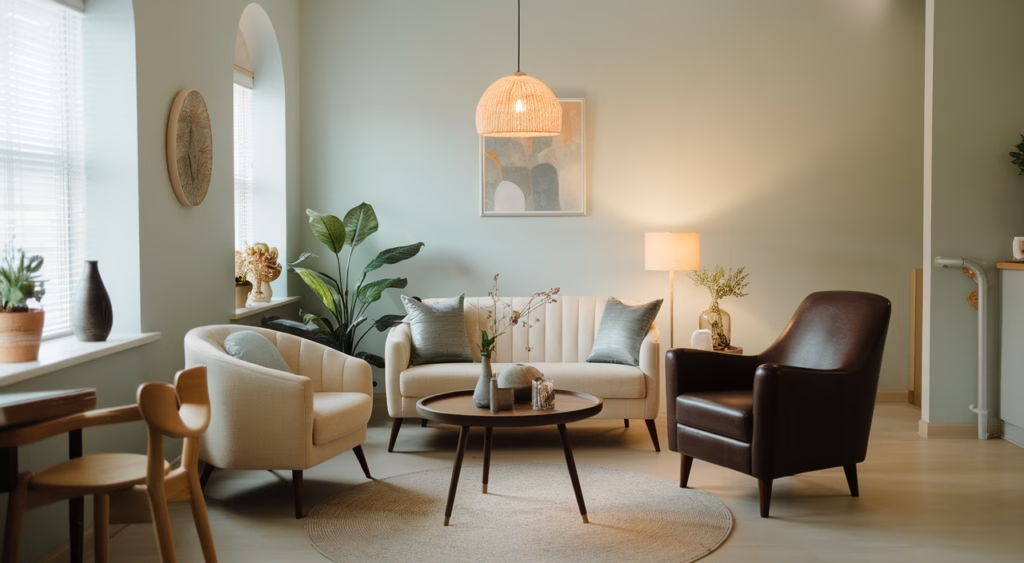
How to make your home more accessible for seniors?
Making your home more accessible for seniors involves thoughtful design changes and practical modifications to enhance safety, comfort, and independence. It’s about anticipating potential challenges and proactively creating environments that support continued well-being as we age, ensuring loved ones can enjoy their familiar surroundings for years to come. Our goal is to empower you with the knowledge to create truly senior-friendly homes, making the concept of aging in place not just a dream, but a comfortable and secure reality.
As an interior designer specializing in environments that support graceful aging, I’ve seen firsthand the profound impact a well-designed home can have on an individual’s quality of life. For many adult children, the journey begins with a growing concern for their elderly parents’ safety. For seniors themselves, it’s about maintaining cherished independence within familiar walls. And for professionals, it’s about championing the highest standards of accessible living. This article is born from these shared aspirations, offering not just advice, but a comprehensive roadmap to creating a senior-friendly living space.
The dream of aging in place – remaining in one’s own home and community as long as possible – is universal. Yet, many homes, built without future mobility and cognitive changes in mind, can present hidden hazards. From slippery floors to poorly lit staircases, and from inaccessible cabinets to difficult-to-navigate bathrooms, these challenges can erode confidence, restrict movement, and ultimately diminish independence. Our mission here is to equip you with practical insights and safe home design tips for elderly residents, transforming potential obstacles into opportunities for comfort and security. We’ll dive deep into design ideas for elderly-friendly homes, offering real-life examples and specific modifications that truly make a difference, going beyond generic recommendations to provide actionable strategies you can implement right away.
Transitioning a home to better support our aging loved ones is a deeply caring act, and this comprehensive guide offers essential insights into creating a senior-friendly living space. We delve into best home modifications for aging in place, moving beyond general advice to provide specific, actionable safe home design tips for elderly individuals. You’ll discover how to make your home more accessible for seniors across every room, from designing an elderly-friendly spaces with practical kitchen solutions like pull-out shelves and lever handles, to ensuring bathroom safety with strategically placed grab bars and zero-threshold showers.
- Learn how to assess current home challenges to tailor modifications precisely to your loved one’s needs.
- Gain detailed, room-by-room design ideas, complete with real-life examples of successful transformations in living rooms, kitchens, bedrooms, and bathrooms.
- Explore essential products and accessories that enhance safety and improve daily living, moving beyond generic recommendations to offer actionable guidance.
- Understand how to extend safety and accessibility to outdoor areas, creating harmonious and secure environments for continued enjoyment.
- Empower yourself with design ideas for elderly-friendly homes that foster independence, comfort, and peace of mind within truly senior-friendly homes.
Assessing Your Home’s Needs: Key Considerations
Before embarking on any modifications, the first and most crucial step is a thorough assessment of your current living environment through the lens of aging in place. This isn’t merely about identifying obvious dangers; it’s about understanding the unique needs and abilities of the individual(s) who will be living in the senior-friendly homes. What might be a minor inconvenience for one person could be a significant barrier or hazard for another. As a designer, I always start with a holistic evaluation, considering physical, cognitive, and sensory aspects.
Understanding Mobility and Balance
Start by observing daily routines. Does your loved one shuffle their feet? Do they rely on furniture for support when walking? Are stairs a challenge? These observations are vital for tailoring accessible living solutions. Look for:
- Walkways and Pathways: Are they wide enough (ideally 36 inches or more for walker/wheelchair access)? Are they clear of clutter? Any changes in floor height?
- Stairs: How many? Are railings sturdy and continuous? Is lighting adequate?
- Standing and Sitting: Is it easy for them to get up from favorite chairs or the toilet? Do they struggle with bending or reaching?
- Grasping and Dexterity: Can they easily open doors, turn faucets, or operate light switches? Small knobs can become impossible to manage.
Addressing Cognitive and Sensory Changes
Beyond physical mobility, cognitive changes and sensory impairments can profoundly impact home safety and comfort. For instance, diminished eyesight can turn a dimly lit hallway into a fall risk, while memory issues can make complex controls frustrating or dangerous.
- Vision: Is there sufficient, glare-free lighting in all areas? Do colors and patterns on floors or walls create confusion? Are important items clearly visible?
- Hearing: Are alarm systems (smoke, carbon monoxide, doorbells) audible? Consider visual alerts alongside auditory ones.
- Memory and Orientation: Could clear signage help navigate complex areas? Are essential items stored logically and consistently? Does the home environment reduce anxiety and promote calm? Simple design choices, like contrasting colors for doorframes against walls, can help with wayfinding and depth perception.
Identifying High-Risk Areas and Hidden Hazards
Certain areas of the home are inherently more prone to accidents for seniors. Bathrooms, kitchens, and stairs are top contenders. However, even seemingly innocuous elements can pose risks:
- Throw Rugs: These are notorious tripping hazards. Evaluate if they can be removed or firmly secured with non-slip backing.
- Clutter: Overstuffed rooms, piles of magazines, or excess decorative items can obstruct pathways and increase fall risk.
- Lack of Support: Absence of grab bars where needed, unstable furniture, or flimsy railings are critical safety oversights.
- Inadequate Lighting: Dark corners, unlit stairs, or areas with harsh glare can impair vision and judgment.
- Hot Water Temperatures: Scalding is a serious burn risk for those with reduced sensation or slower reaction times.
- Chemical Storage: Easily accessible cleaning supplies or medications can pose poisoning risks, especially for those with cognitive decline.
By conducting this detailed assessment, perhaps even with a professional, you’re gathering the specific information needed to implement best home modifications for aging in place. This tailored approach is far more effective than a generic checklist and forms the foundation for truly effective safe home design.

Room-by-Room Guide: Practical Design Ideas and Modifications
Now that we’ve assessed the specific needs of the individual and the home, let’s delve into practical, room-by-room solutions. This is where we truly transform a house into one of the most comfortable and functional senior-friendly homes, moving beyond general advice to provide specific, actionable strategies. I’ve seen these modifications make profound differences in real-life situations, enhancing both safety and daily enjoyment.
Living Room and Common Areas
The living room is often the heart of the home, a place for relaxation and connection. Ensuring it’s an elderly-friendly space means optimizing comfort and ease of movement.
- Furniture Arrangement and Pathways: Clutter-free, wide pathways are paramount. Arrange furniture to allow at least 36 inches of clear passage, especially leading to doors and other rooms. Secure all rugs with non-slip pads or remove them entirely. For one client, we moved a large coffee table that was a constant tripping hazard and replaced it with smaller, lighter side tables that could be easily adjusted or moved aside when needed. This immediately opened up the space and reduced anxiety about falls.
- Seating: Opt for chairs and sofas that are firm and relatively high (around 18-20 inches from floor to seat) with sturdy armrests. This makes it easier to sit down and stand up without assistance. Recliners with power lift mechanisms are excellent for individuals with significant mobility challenges. I once helped a couple replace their plush, low sofa with a slightly higher, firmer sectional with integrated armrests, making it much easier for their father to stand up independently and join family conversations.
- Lighting: Good, consistent lighting reduces shadows and improves visibility. Incorporate a mix of overhead lighting (with dimmer switches to avoid glare), task lighting (reading lamps with adjustable arms), and ambient lighting. Ensure light switches are easy to reach and operate (large rocker-style switches are ideal). Motion-sensor nightlights in hallways and common areas are simple yet effective safe home design tips for elderly.
- Flooring: Remove slippery throw rugs. If possible, consider non-slip, low-pile carpeting or smooth, non-glare flooring materials like matte ceramic tile or slip-resistant vinyl. Avoid busy patterns that can confuse depth perception.
- Accessibility for Controls: Ensure remote controls for entertainment systems are large-button and easy to read. Position thermostats at an accessible height, typically between 48-54 inches from the floor.
Kitchen and Dining Areas
The kitchen can be a source of great joy, but also significant risk. Creating a senior-friendly living space in this area requires attention to ease of use and prevention of burns, cuts, and falls.
- Cabinetry and Storage: Install pull-out shelves, drawers, and lazy Susans in lower cabinets to eliminate the need for deep bending or reaching. Consider installing upper cabinets that can be lowered electronically for easy access. For one client, installing pull-out pantry shelves and a lazy Susan in corner cabinets made all the difference in accessing frequently used items without bending or reaching precariously, significantly reducing the risk of strain or falls.
- Countertops: Vary counter heights if possible, with a section that is wheelchair accessible (30-34 inches) and another at standard height. Ensure edges are rounded, not sharp.
- Appliances: Choose appliances with easy-to-read controls and safety features. Front-loading washing machines and dryers are often easier to use. Stovetops with controls at the front eliminate reaching over hot burners. Induction cooktops are safer as they only heat the pan, reducing burn risk. Anti-scald devices on faucets are crucial.
- Sink and Faucets: A single-lever faucet is easier to operate than separate hot and cold knobs. Install an anti-scald device to prevent burns. A shallow sink basin can be more accessible for seated individuals.
- Lighting: Bright, even lighting under cabinets and over work surfaces is essential. Task lighting can prevent accidents. Contrasting colors for cabinet handles or appliance controls can also aid those with vision impairment.
- Dining Area: Ensure dining chairs are stable, with arms for support, and allow easy clearance around the table for walkers or wheelchairs. A single pedestal table can offer more knee clearance.
Bathrooms and Bedrooms
These private spaces are critical for dignity, hygiene, and rest, and often present the highest risk areas. How to make your home more accessible for seniors here directly impacts personal independence and safety.
Bathrooms:
Bathrooms are statistically the most dangerous room for seniors due to slippery surfaces and confined spaces.
- Grab Bars: These are non-negotiable for safe home design. Install them vertically and horizontally in the shower/tub area, next to the toilet, and near the sink. They should be securely mounted into wall studs, not just drywall. A common mistake is installing only one grab bar; often, multiple are needed. For example, a 24-inch horizontal bar on the back wall of the shower and a 12-inch vertical bar near the shower entry provides maximum support. I once helped a couple install a zero-threshold shower with a built-in bench and multiple grab bars, which not only prevented falls but also made bathing a much more relaxing and dignified experience for the wife.
- Showers/Tubs: A zero-threshold (curbless) shower is ideal, allowing easy roll-in access for wheelchairs or walk-in access for all. Install a handheld showerhead and a sturdy, fold-down or built-in shower bench. If a tub is necessary, consider a walk-in tub, but be aware of the wait time for filling/draining. Non-slip bath mats or textured flooring within the shower/tub are essential.
- Toilets: Install a comfort-height toilet (17-19 inches from floor to seat) or add a raised toilet seat. Grab bars on either side of the toilet are crucial for assistance with sitting and standing.
- Sinks and Faucets: Wall-mounted sinks provide knee clearance for wheelchair users. Single-lever faucets with anti-scald devices are highly recommended.
- Flooring: Non-slip, matte-finish tiles or vinyl flooring are best. Avoid highly polished surfaces.
- Lighting and Ventilation: Bright, even, glare-free lighting is vital. Consider nightlights with motion sensors. Ensure good ventilation to prevent mold and mildew, which can make surfaces slippery.
- Emergency Systems: A simple pull-cord or button-activated emergency call system within reach from the toilet and shower can be life-saving.
Bedrooms:
Bedrooms should be havens of rest and security.
- Bed Height: Ensure the bed is at a comfortable height for easy transfers – typically allowing feet to rest flat on the floor when seated on the edge. Bed rails can offer support for getting in and out, but ensure they are correctly installed and don’t pose entrapment risks.
- Pathways and Layout: Maintain clear pathways, especially between the bed and the bathroom. Remove all tripping hazards. A client’s small bedroom felt cramped; by replacing a bulky dresser with a tall, slender wardrobe and rearranging the bed, we created a clear, safe path, dramatically improving navigation at night.
- Lighting: Multiple light sources are key. Install bedside lamps with easy-to-operate switches (touch-sensitive or large rocker switches). Motion-sensor nightlights that illuminate the path to the bathroom are invaluable. Ensure switches for the main room lights are accessible from the bed.
- Closet Accessibility: Lower hanging rods and install pull-down rods for higher items. Shelves should be at an easy-to-reach height. Consider drawer pulls instead of small knobs.
- Emergency Access: Ensure a phone or emergency call system is within arm’s reach of the bed. Doors should be easy to open from both sides, and ideally, without locks that could trap someone inside during an emergency.
Essential Products and Accessories: Enhancing Safety and Accessibility
Beyond structural changes and design principles, a range of specific products and accessories can significantly enhance the safety and functionality of senior-friendly homes. These items are often the most direct ways to implement best home modifications for aging in place, addressing immediate needs and improving daily independence. When selecting these, prioritize ease of use, durability, and compatibility with the existing home aesthetics.
- Grab Bars (Recap and Detail): We discussed these for bathrooms, but their utility extends. Consider them near any transition point where balance might be compromised – a few steps leading into a sunken living room, or even by a favorite chair if assistance is needed to stand. They come in various finishes and styles, from sleek modern to more traditional, so they can integrate seamlessly without looking clinical. Ensure professional installation into wall studs for maximum security.
- Ramps and Stairlifts: For homes with multiple levels or significant entry steps, these are game-changers for accessible living.
- Portable Ramps: Useful for temporary barriers or smaller thresholds.
- Permanent Ramps: For main entryways or internal level changes, designed with appropriate slopes for ease and safety.
- Stairlifts: Offer a comfortable and safe way to navigate stairs, preserving access to all levels of the home. Modern stairlifts are often slimline and fold away, minimizing their visual impact.
- Door and Cabinet Hardware: Replace traditional doorknobs with lever-style handles, which are much easier to operate for those with arthritis or limited hand strength. Similarly, switch small cabinet knobs for larger, D-shaped pulls.
- Lighting Solutions:
- Motion-Sensor Lights: Ideal for hallways, bathrooms, and closets. They provide instant illumination without needing to fumble for switches.
- Touch-Lamps and Remote-Controlled Lighting: Perfect for bedrooms, allowing light control from the bedside.
- Under-Cabinet Lighting: Essential in kitchens to illuminate work surfaces and reduce shadows.
- Smart Lighting Systems: Allow lights to be controlled via voice command or a smartphone app, beneficial for those with mobility issues.
- Emergency Alert Systems: Wearable medical alert devices (pendants or wristbands) provide immediate connection to help in case of a fall or medical emergency. These systems offer immense peace of mind for both seniors and their families.
- Adaptive Kitchen Tools: Large-handled utensils, non-slip cutting boards, jar openers, and specialized reachers can make meal preparation safer and less strenuous. Small appliances should be lightweight and easy to operate.
- Bath and Shower Aids: Beyond grab bars, shower chairs or benches provide a safe place to rest, reducing the risk of falls due to fatigue. Long-handled sponges and shower brushes minimize bending and reaching. Handheld showerheads offer greater flexibility and ease of use.
- Floor and Area Rug Security: If rugs are absolutely necessary for warmth or aesthetics, use high-quality, slip-resistant rug pads that cover the entire underside of the rug. For one client, we chose a large area rug that was specifically designed with a low pile and integrated non-slip backing, completely removing the previous hazard of multiple smaller, unsecured mats.
- Visual Aids: Large-print clocks, telephones with big buttons, and magnifiers can assist those with visual impairments. Contrasting colors for light switch plates against walls or toilet seats against floor tiles can also improve visibility and depth perception.
- Smart Home Technology: Voice-activated assistants can control lights, thermostats, and even place calls, offering a new level of independence and safety for elderly-friendly spaces. Door sensors and smart locks can provide security alerts.
These specialized items are not just conveniences; they are crucial components of safe home design, actively contributing to a supportive and accident-free environment. Integrating these thoughtfully ensures that the home continues to be a sanctuary, rather than a source of stress or danger, truly fostering an environment of accessible living for years to come.

Outdoor Spaces: Creating a Safe Environment
The concept of senior-friendly homes extends well beyond the interior walls. Outdoor spaces – gardens, patios, pathways, and entryways – are equally vital for physical activity, mental well-being, and social connection. Yet, they often harbor overlooked hazards. Creating a senior-friendly living space outdoors means ensuring these areas are not only beautiful but also safe and easily navigable, allowing seniors to enjoy fresh air and nature without unnecessary risk.
Entryways and Exits: The First and Last Impression
The journey into and out of the home should be seamless and secure.
- Steps and Ramps: Address any steps leading to doors. If ramps are needed, ensure they meet accessibility standards with a gentle slope, sturdy handrails on both sides, and non-slip surfaces. For a family I worked with, we transformed their steep front steps into a gradual ramp with a low-profile, non-slip surface, seamlessly blending it with the existing landscaping. This allowed their mother to access her garden independently after she started using a walker.
- Handrails: Ensure all exterior stairs and ramps have continuous, sturdy handrails on both sides.
- Thresholds: Reduce or eliminate high thresholds at doorways. Install low-profile ramps for small height differences.
- Lighting: Excellent exterior lighting is paramount. Motion-sensor lights at all entry points, along pathways, and in garden areas are essential. Ensure they illuminate stairs, locks, and surrounding ground surfaces. Solar-powered pathway lights can supplement main lighting for evening strolls.
Pathways and Walkways: Smooth Sailing
Outdoor paths should be as safe and clear as indoor hallways.
- Surfaces: Choose smooth, non-slip surfaces for pathways and patios, such as concrete, asphalt, or tightly laid pavers. Avoid loose gravel, uneven flagstones, or cracked pavement which are significant tripping hazards.
- Width and Clearance: Pathways should be at least 36 inches wide, wider if wheelchair access is needed, and clear of overhanging branches or protruding plants.
- Edging: Clearly define pathway edges, especially if they border garden beds or drops. Contrasting colors or low-level lighting can help with this.
- Drainage: Ensure proper drainage to prevent puddles and icy patches, which can create dangerously slippery conditions.
Garden and Yard Areas: Accessible Nature
For seniors who love gardening, these modifications can prolong their cherished hobbies.
- Raised Garden Beds: These are incredibly popular for a reason. They allow gardening from a seated position or without excessive bending. Ensure they are at a comfortable height (around 24-30 inches) and wide enough for easy access from multiple sides.
- Vertical Gardens: Offer another excellent way to garden at an accessible height.
- Ergonomic Tools: Provide lightweight, long-handled gardening tools with comfortable grips.
- Seating: Place benches or sturdy chairs at strategic points in the garden, offering opportunities for rest and enjoyment. For one client, we designed raised garden beds and added a small, comfortable bench nearby, allowing them to continue their passion safely and with less strain, turning their garden into a true elderly-friendly space.
- Watering Systems: Consider installing an irrigation or drip system to reduce the need for carrying heavy watering cans.
General Outdoor Safety Tips:
- Furniture: Ensure all outdoor furniture is sturdy, stable, and has armrests. Avoid lightweight, flimsy pieces that could tip over.
- Obstacles: Keep garden hoses coiled, tools stored away, and decorative items clear of pathways.
- Pets: If pets are outdoors, ensure their toys or food bowls don’t become tripping hazards.
- Maintenance: Regular maintenance – clearing leaves, snow, ice, and sweeping pathways – is crucial for maintaining safe home design outdoors.
By applying these safe home design tips for elderly individuals, you can create outdoor spaces that are not only beautiful and enjoyable but also contribute significantly to the overall safety and well-being of senior-friendly homes, truly embracing the full scope of accessible living.
Conclusion: Creating a Comfortable and Safe Home for Aging in Place
The journey to transform a house into a truly senior-friendly home is a deeply rewarding one. It’s an investment not just in bricks and mortar, but in the enduring well-being, independence, and peace of mind of our cherished elders. As an interior designer dedicated to this specialty, I’ve witnessed countless times how thoughtful modifications and empathetic design choices can empower individuals to continue aging in place gracefully, surrounded by the comfort and familiarity they deserve.
We’ve explored comprehensive design ideas for elderly-friendly homes, moving from meticulous home assessment to specific, actionable modifications in every room – living areas, kitchens, bathrooms, bedrooms – and extending our focus to crucial outdoor spaces. The emphasis has been on providing practical suggestions and real-life examples, precisely addressing the gaps often found in more superficial guides. By understanding the nuances of mobility, balance, cognitive changes, and sensory impairments, we can implement best home modifications for aging in place that are truly impactful.
Remember, this process is an act of care. It’s about proactively creating an environment where risks are minimized, and daily tasks become easier and more enjoyable. Whether you’re an adult child seeking to protect your parents, a senior aiming to preserve your autonomy, or a professional dedicated to accessible living, the insights provided here offer a solid foundation for enhancing home safety and comfort. Don’t hesitate to consult with professionals – be it occupational therapists, general contractors specializing in aging-in-place, or interior designers like myself – to ensure modifications are implemented safely and effectively.
Ultimately, a senior-friendly home is more than just a safe structure; it’s a testament to dignity, respect, and the profound value of staying connected to one’s roots. It’s about ensuring that the place we call home continues to be a source of comfort, joy, and unwavering support for every stage of life. By embracing these safe home design tips for elderly individuals, you are paving the way for a more secure and fulfilling future for your loved ones within their most cherished space.

