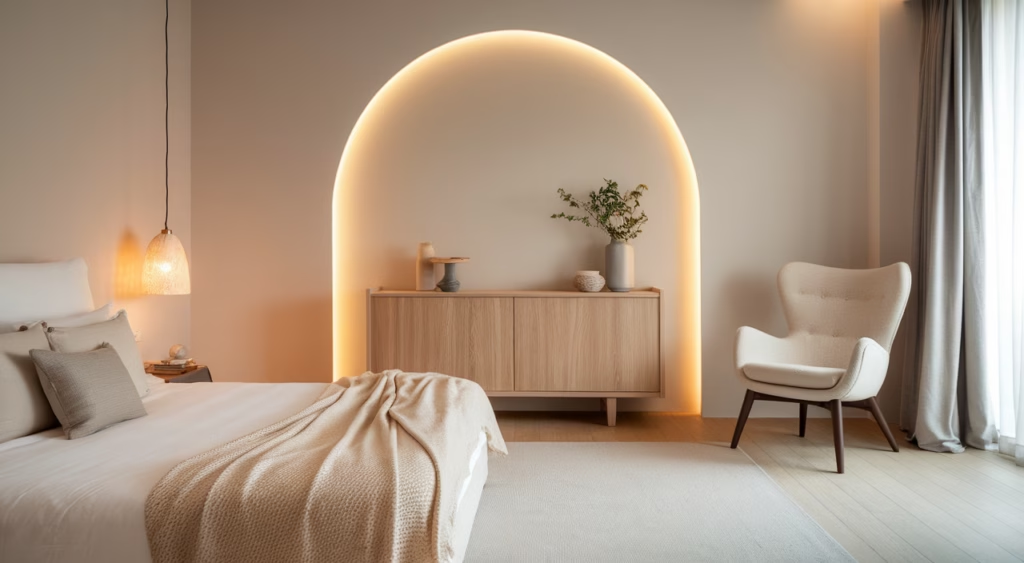
How can overnight shift worker bedroom ideas transform your space into a sanctuary for restorative sleep?
As an interior designer and sleep specialist, I understand the unique challenges night shift workers face when trying to achieve quality rest. Your sleep schedule often runs contrary to the natural rhythm of the world, making it difficult to find the tranquility needed for deep slumber. However, by thoughtfully designing your bedroom with specific needs in mind, you can create a truly restorative environment that supports your well-being, even when sleeping against the natural light and sounds of the day.
The goal is to reclaim your bedroom as a dedicated haven, a space meticulously crafted to counter the disruptive elements of daytime living and maximize your sleep potential. This isn’t just about rearranging furniture; it’s about intentional design choices that foster calm, darkness, and silence, allowing you to finally experience the restorative sleep you deserve. Let’s explore practical and empathetic overnight shift worker bedroom ideas that will revolutionize your rest.
1. Importance of Bedroom Environment for Overnight Shift Workers
For overnight shift workers, the bedroom isn’t merely a place to sleep; it’s a critical component of health and resilience. While most of the world sleeps at night, you’re working, and when the world awakens, you’re striving to rest. This fundamental reversal of natural circadian rhythms presents significant hurdles to achieving quality sleep, making your bedroom environment paramount to your physical and mental well-being.
The unique challenges faced by night shift workers extend far beyond simple tiredness. Disrupted sleep patterns can lead to a cascade of health issues, including increased risk of cardiovascular problems, metabolic disorders, mood disturbances, and impaired cognitive function. Your body’s internal clock, accustomed to sleeping in darkness and waking with light, struggles to adapt to an inverted schedule. This internal conflict is exacerbated by external factors inherent in a daytime sleep environment: sunlight streaming through windows, the hustle and bustle of daily life, household noises, and even the simple perception that “it’s not night.”
This is precisely where the intentional creation of a superior night shift worker sleep environment becomes non-negotiable. Your bedroom must act as a fortress against these disruptions, a personalized sanctuary engineered to replicate the conditions of nighttime sleep, regardless of the hour. It’s about more than just comfort; it’s about crafting a physiological and psychological cue for your body to relax and transition into deep sleep. When your bedroom fails to support this, your sleep suffers, and with it, your health, productivity, and overall quality of life.
As an interior designer, I’ve seen firsthand how a poorly optimized sleep space can perpetuate chronic fatigue and frustration. Conversely, transforming a bedroom into a haven of rest empowers individuals to regain control over their sleep, mitigating the inherent stresses of shift work. By focusing on elements like light exclusion, sound dampening, temperature control, and a calming aesthetic, we can significantly improve your ability to fall asleep faster, stay asleep longer, and achieve more restorative rest.
This foundational understanding underscores the importance of every design choice and every tip we’ll discuss. Your bedroom isn’t just a room; it’s a vital tool in managing the unique demands of your profession. Let’s delve into how to make it work for you, creating a night shift worker bedroom decor that truly supports your demanding lifestyle. By investing in these deliberate changes, you are not just buying products or following trends; you are actively investing in your health and longevity, ensuring that your precious sleep hours are as effective and restorative as possible. This holistic approach to your sleep environment is a cornerstone of managing the demands of shift work effectively.
2. Essential Furniture and Decor Items for Night Shift Workers
Crafting the ideal night shift worker bedroom decor begins with selecting the right foundational elements. These aren’t just aesthetic choices; they are functional investments in your sleep health, designed to create a conducive night shift worker sleep environment that blocks out the world and invites rest. Think of your bedroom as a specialized instrument, each component carefully chosen to contribute to your ultimate comfort and sleep quality.
The Foundation of Rest: Your Bed
Your bed is the absolute cornerstone of your sleep sanctuary. Investing in a high-quality mattress and pillows is non-negotiable. A supportive mattress, tailored to your preferred sleeping position and body type, can alleviate pressure points and reduce tossing and turning. Consider options like memory foam for contouring support or hybrid mattresses for a balance of comfort and firmness. Don’t overlook the importance of pillows; they should keep your spine in neutral alignment. Replace them every 1-2 years to maintain their integrity and hygiene, as dust mites and allergens can accumulate and disrupt sleep quality.
For bedding, prioritize comfort and temperature regulation. Natural fibers like cotton, linen, or bamboo are breathable and excellent at wicking away moisture, preventing overheating during your daytime sleep. Look for sheets with a comfortable thread count – not necessarily the highest, but smooth and soft to the touch. Layering with a lightweight duvet or blanket allows for easy adjustment to your body’s temperature fluctuations throughout your sleep cycle, ensuring you remain comfortable without becoming too hot or too cold. This attention to detail in your bedding choices is a primary component of truly effective night shift worker bedroom essentials.
Achieving Complete Darkness: Blackout Solutions
Perhaps the most critical of all night shift worker bedroom essentials are effective blackout solutions. Daytime light exposure is a potent signal to your body to stay awake, directly interfering with melatonin production. Total darkness is paramount. Standard curtains simply won’t cut it, as they often allow light to seep in from the edges and top.
Invest in high-quality blackout curtains or blinds. When selecting curtains, look for those with a dense, opaque backing that completely blocks light. Install them correctly, extending several inches beyond the window frame on all sides and using a “wrap-around” rod to prevent light bleed around the edges. Consider adding a “blackout liner” that can be attached to existing curtains for an extra layer of light exclusion. For optimal darkness, combine blackout curtains with blackout blinds or shades, which fit snugly within the window frame. Options like cellular shades or roller blinds designed for room darkening can work wonders. For a truly immersive dark environment, some night shift workers even utilize temporary blackout film or panels that can be adhered to windows during their sleep hours. The goal is zero ambient light penetration, creating an artificial night that tells your body it’s time to rest.
Streamlining Your Space: Smart Storage
A cluttered environment can lead to a cluttered mind, making it harder to relax and fall asleep. Effective storage solutions are crucial for maintaining a serene and organized bedroom. Invest in furniture with integrated storage, such as a bed frame with drawers underneath or a spacious dresser. Nightstands with drawers are perfect for stowing away personal items, books, and electronics that might otherwise create visual noise, keeping surfaces clear and calming.
Consider built-in wardrobes or modular closet systems to keep clothing and accessories neatly out of sight. Wall-mounted shelves can also be utilized for decor, but keep them minimal and organized to prevent an overwhelming feeling. The key is to create clear surfaces and pathways, reducing visual distractions that can subtly stimulate your brain when it should be winding down. A minimalist approach to decor, supported by ample storage, contributes significantly to a calm and inviting night shift worker sleep environment, making it easier to mentally disconnect from the day’s demands.
Creating a Buffer Zone: Thoughtful Seating
While the bed is strictly for sleep, having a comfortable seating area in your bedroom can serve as a vital “decompression zone.” A cozy armchair or a small chaise lounge provides a dedicated space to unwind before you get into bed. This helps separate your pre-sleep activities, such as reading, listening to quiet music, or simply meditating, from the act of sleeping itself, mentally signaling to your brain that the bed is solely for rest.
This small addition can be a powerful psychological tool, especially for shift workers who often transition directly from a high-stress job to needing immediate sleep. It allows for a brief, intentional period of relaxation that doesn’t involve your sleep surface, reinforcing the idea that your bed is a sacred space reserved exclusively for slumber. Choosing an ergonomic, comfortable chair with soft upholstery can further enhance this experience, making it an indispensable part of your night shift worker bedroom decor strategy.
Curating Calm: Intentional Decor Choices
Beyond functionality, your decor choices play a significant role in creating a soothing atmosphere. Opt for a calming color palette. Cool, neutral tones like soft blues, greens, grays, and muted beiges are known to promote relaxation and reduce visual stimulation. Avoid bright, stimulating colors like reds, oranges, or vivid yellows that can inadvertently signal alertness and agitation, which are counterproductive to sleep.
Incorporate soft textures through rugs, throws, and upholstered furniture. A plush area rug can dampen sound, add warmth underfoot, and create a cozy aesthetic, while a soft throw blanket invites comfort and warmth. Choose artwork that evokes peace and tranquility, such as abstract landscapes, gentle nature scenes, or minimalist designs. Avoid overly busy, aggressive, or thought-provoking imagery. Keep decor minimal and purposeful, ensuring every item contributes to the overall sense of calm and comfort. These deliberate choices transform your bedroom from a mere room into a truly restful retreat, essential for any night shift worker seeking quality sleep. Thoughtful decor elevates the entire space, making it a more inviting and effective sleep haven.

3. Lighting and Sound Management Tips for Optimal Sleep
For overnight shift workers, managing light and sound is not just an option; it’s a fundamental requirement for achieving restorative sleep during the day. As an interior designer and sleep specialist, I understand that even the slightest disruption can derail your attempts to rest. Your body’s natural clock is attuned to environmental cues, and when you’re trying to sleep while the sun is shining and the world is awake, you need robust strategies to mimic nighttime conditions. These night shift worker bedroom tips are designed to create an unyielding barrier against the external world, turning your bedroom into an impervious sanctuary.
Achieving Absolute Darkness Beyond Blackout Curtains
We’ve discussed blackout curtains, but true darkness requires meticulous attention to detail. Even small cracks of light can signal wakefulness to your brain, interrupting melatonin production and affecting sleep quality. Look for light leaks around window frames, under doors, and from electronic devices. Use weather stripping or draft stoppers under doors to block light from hallways and ensure privacy. Consider light-blocking tape or temporary film for stubborn window gaps that curtains can’t fully cover. If you have electronic devices with indicator lights, such as chargers, alarm clocks, or standby lights, cover them with electrical tape or use smart plugs to power them off entirely during your sleep hours. Every photon counts when you’re trying to achieve deep, restorative daytime sleep.
For those inevitable trips to the bathroom, avoid harsh overhead lights. Install motion-activated, low-wattage red or amber nightlights in your bedroom or hallway. These specific light spectrums are less disruptive to melatonin production compared to blue or white light, allowing you to navigate safely without fully awakening your system. The goal is to minimize any light exposure that could signal to your brain that it’s daytime, reinforcing your artificial night cycle.
Mastering Soundproofing: Creating a Quiet Zone
Noise pollution is a significant challenge for daytime sleepers. While complete structural soundproofing can be extensive and costly, there are many effective measures you can take to significantly reduce noise. Start with insulating your windows; double-pane or triple-pane windows offer significant sound reduction. If replacement isn’t an option, consider adding secondary glazing or heavy, multi-layered blackout curtains that also possess sound-dampening properties due to their thickness and material.
Seal any gaps in door frames with weather stripping and ensure your door is solid-core rather than hollow, as solid doors are much better at blocking sound. Inside the room, strategically place sound-absorbing materials. Plush carpets or rugs, upholstered furniture, thick wall hangings, tapestries, and even bookshelves filled with books can help soak up ambient noise. These elements contribute not only to sound management but also to a cozier, more inviting night shift worker cozy bedroom decor, enhancing both function and aesthetic.
The Power of White, Pink, and Brown Noise Machines
While soundproofing aims to block noise, white noise machines go a step further by actively masking unavoidable sounds. A consistent, low-level sound frequency can effectively drown out sudden jarring noises like traffic, barking dogs, household activities, or even noisy neighbors. White noise encompasses all frequencies equally, creating a uniform “shhh” sound. Pink noise focuses more on lower frequencies, often described as more soothing, like steady rain or rustling leaves, mimicking natural, consistent background sounds. Brown noise is even deeper, resembling a strong waterfall or a low rumble, which some find incredibly calming.
Experiment with different types of noise machines or apps to find what works best for you. The key is consistency and a sound that is pleasant enough to fade into the background but robust enough to cover external disturbances without being distracting itself. Place the machine strategically in your room, perhaps near a window or door, to maximize its effectiveness as a sound buffer.
Don’t Underestimate Ear Plugs and Eye Masks
For some, particularly in exceptionally noisy environments or for light sleepers, high-quality earplugs are an indispensable tool. There’s a wide range available, from soft foam to custom-molded silicone, offering various levels of noise reduction. Experiment to find ones that are comfortable for extended wear and provide superior noise reduction. Combining earplugs with a white noise machine can create an almost impenetrable barrier against sound, ensuring uninterrupted rest.
Similarly, a comfortable, well-fitting eye mask can be a crucial backup for light management, especially if you travel or experience any residual light leaks from your blackout setup. Look for masks that block 100% of light without putting pressure on your eyes. These simple yet effective night shift worker bedroom tips are vital components of any successful overnight shift worker bedroom ideas strategy. By taking proactive steps to control these environmental factors, you create a sleep environment that empowers you to achieve the deep, restorative rest your body needs, regardless of the time on the clock.
4. Creating a Relaxing Nighttime Routine for Shift Workers
For anyone working overnight shifts, the concept of a “nighttime routine” can feel counterintuitive, as your wind-down period occurs when the rest of the world is just starting its day. However, establishing a consistent and calming pre-sleep ritual is not only beneficial but absolutely essential for signaling to your body and mind that it’s time to transition from work mode to rest mode. This is a crucial element often overlooked, and one of the most powerful night shift worker sleep routine suggestions we can offer to help fill the gaps left by competitors.
Your circadian rhythm, though challenged by your shift work, still responds to cues. A consistent routine, even if performed during daylight hours, helps retrain your body to associate certain activities with the onset of sleep. It’s about creating a psychological and physiological bridge from your active waking state to a state of deep relaxation, preparing you for quality sleep in your carefully curated night shift worker sleep environment.
The “Wind-Down Hour” Concept
Designate a “wind-down hour” immediately after your shift, or at least 60-90 minutes before you intend to be asleep. This hour should be free of work-related tasks, stimulating activities, and bright screens. Think of it as a decompression period, a sacred time to mentally and physically disengage from the demands of your job and the waking world. This dedicated time signals to your brain that the workday is over and it’s time to prepare for rest, which is paramount for overnight shift workers.
Disconnect from Technology and Blue Light
This is perhaps one of the most impactful rules for a restorative sleep routine: absolutely no screens (phones, tablets, computers, bright TVs) during your wind-down hour. The blue light emitted by these devices suppresses melatonin production, making it harder to fall asleep and reducing sleep quality. Even minor exposure can disrupt your delicate sleep hormone balance. Instead, engage in non-stimulating activities that encourage relaxation rather than alertness.
Warm Bath or Shower
A warm bath or shower before bed can be incredibly effective. As your body cools down after leaving the warm water, it triggers a physiological response that promotes sleepiness. This slight drop in core body temperature is a natural signal for your body to prepare for sleep. Add some Epsom salts or a few drops of calming essential oils like lavender or chamomile to enhance the relaxation benefits and soothe tired muscles from your shift.
Gentle Stretching or Meditation
Ease physical tension and calm your mind with gentle stretching exercises or a short meditation session. Focus on slow, deliberate movements that release muscle tightness without invigorating you. There are numerous apps and guided meditations specifically designed for sleep, focusing on deep breathing and body scans to bring your awareness into the present moment and release any lingering stress or anxieties from your shift. This mindful practice is a powerful component of effective night shift worker sleep routine suggestions.
Reading or Journaling
Instead of scrolling through social media or watching stimulating content, pick up a physical book (no e-readers with blue light screens!) or a journal. Reading can distract your mind from worries and immerse you in a fictional world, while journaling allows you to process thoughts and anxieties, clearing your mental space before sleep. Choose light, engaging, and non-challenging material rather than anything too stimulating, suspenseful, or work-related. The goal is gentle mental disengagement.
Light Snack and Herbal Tea
Avoid heavy meals, caffeine, and alcohol before your sleep period. Heavy meals can cause digestive discomfort, caffeine is a stimulant, and alcohol, while initially sedating, disrupts later sleep cycles. If you’re hungry, opt for a light, easily digestible snack, such as a banana, a small bowl of oatmeal, a handful of almonds, or a piece of whole-grain toast. A warm cup of herbal tea (chamomile, valerian root, or passionflower) can also be a soothing addition to your routine. Remember, hydration is important, but don’t overdo it to avoid middle-of-sleep bathroom trips that can interrupt your rest.
Consistency is Key
The true power of a relaxing pre-sleep routine lies in its consistency. Even on your days off, try to maintain a similar wind-down sequence, even if your actual sleep time shifts slightly. This helps reinforce the cues for sleep, making it easier for your body to adjust. By diligently practicing these personalized night shift worker bedroom tips, you’re not just creating a routine; you’re building a powerful habit that significantly enhances your ability to achieve restorative sleep and maintain your well-being despite your unique work schedule. It’s a commitment to your health that pays dividends in energy and focus.

5. Incorporating Personal Touches for Ultimate Comfort
Once you’ve addressed the functional aspects of darkness, quiet, and a structured routine, the next layer of transforming your bedroom into a true sanctuary for day-sleep is infusing it with personal touches. This is where your individual preferences come into play, crafting a space that feels deeply comforting, safe, and uniquely “yours.” This essential step, often overlooked by general advice, is vital for creating a truly welcoming night shift worker cozy bedroom decor and filling competitor gaps by emphasizing personalized well-being.
As an interior designer, I believe that a bedroom should be more than just a place to sleep; it should be a reflection of tranquility and personal solace. For night shift workers, this psychological comfort is just as important as physical comfort. It helps to counter the feeling of being out of sync with the world and reinforces the idea that your sleep space is a dedicated haven designed specifically for your restoration. These personalized elements turn a functional sleep space into a truly comforting retreat.
The Soothing Power of Aromatherapy
Engage your sense of smell with aromatherapy. Essential oil diffusers with calming scents like lavender, chamomile, cedarwood, or bergamot can significantly enhance relaxation. Lavender, in particular, has been extensively studied for its sleep-promoting properties, aiding in reducing anxiety and promoting a sense of calm. You can diffuse oils before your sleep period, add a few drops to a warm bath, or use a linen spray on your pillows. Ensure any scents are subtle and pleasant to you, avoiding anything too strong or stimulating, as individual scent preferences vary widely. The right aroma can be a powerful cue for your body to relax.
Luxurious, Comfortable Textiles
Elevate your tactile experience with high-quality, comfortable textiles. This goes beyond just sheets. Think about a plush, soft throw blanket draped over your armchair or the end of your bed. Invest in extra-soft pillowcases (silk or satin can also be beneficial for skin and hair, in addition to being incredibly soft). A thick, cozy rug underfoot when you get out of bed adds warmth, dampens sound, and provides a luxurious feel, cushioning your first steps. The sensation of softness and warmth contributes immensely to a feeling of security and comfort, creating a truly inviting night shift worker bedroom decor that appeals to all your senses and helps you feel cocooned from the outside world.
Meaningful, Not Cluttering, Objects
While minimalism is often recommended for sleep spaces to reduce visual stimulation, this doesn’t mean your room has to be devoid of personality. Select a few meaningful objects that bring you peace or joy. This could be a framed photo of a tranquil landscape, a small piece of art that evokes serenity, or a cherished item that holds positive memories. The key is to keep it minimal and intentional, ensuring these objects contribute to a calming aesthetic rather than creating clutter or distractions. Avoid items that remind you of work, stress, or demanding tasks, as these can subtly activate your mind when you need to switch off. Each chosen item should genuinely enhance the restful atmosphere, making your space distinctly yours.
Bringing Nature Indoors: Plants for Tranquility
Incorporating a few low-maintenance indoor plants can enhance the air quality and add a touch of natural beauty to your bedroom. Plants like snake plants, peace lilies, or spider plants are known for their air-purifying qualities and require minimal sunlight, making them perfect for a room that spends a lot of time in darkness. The presence of nature has been shown to reduce stress, improve mood, and promote feelings of well-being, contributing to a more serene and peaceful night shift worker sleep environment. A touch of green can make a significant difference in how inviting and calming your space feels, even during daytime hours.
Optimized Temperature Control
While not a “touch” in the traditional sense, maintaining an optimal sleep temperature is crucial for comfort and often a personal preference. Most sleep specialists recommend a room temperature between 60-67°F (15-19°C) for ideal sleep, as a slightly cooler environment aids in the body’s natural sleep process. Invest in a smart thermostat that can be programmed to lower the temperature before your designated sleep time. Additionally, breathable bedding and sleepwear that can be layered or removed easily allow you to fine-tune your personal comfort throughout your sleep period. This attention to detail ensures your body remains in the ideal thermal zone for deep, uninterrupted sleep, preventing overheating or chills that can prematurely wake you.
By thoughtfully integrating these personal touches, you transform your bedroom from a merely functional space into a truly comforting and inviting sanctuary. These elements are vital for a successful strategy of overnight shift worker bedroom ideas, addressing the holistic needs of your body and mind for unparalleled rest.
Creating a personalized sleep haven is an investment in your health, your happiness, and your ability to thrive despite the unique demands of your profession. Take these ideas, experiment with what resonates most with you, and begin the journey to truly transformative sleep.

