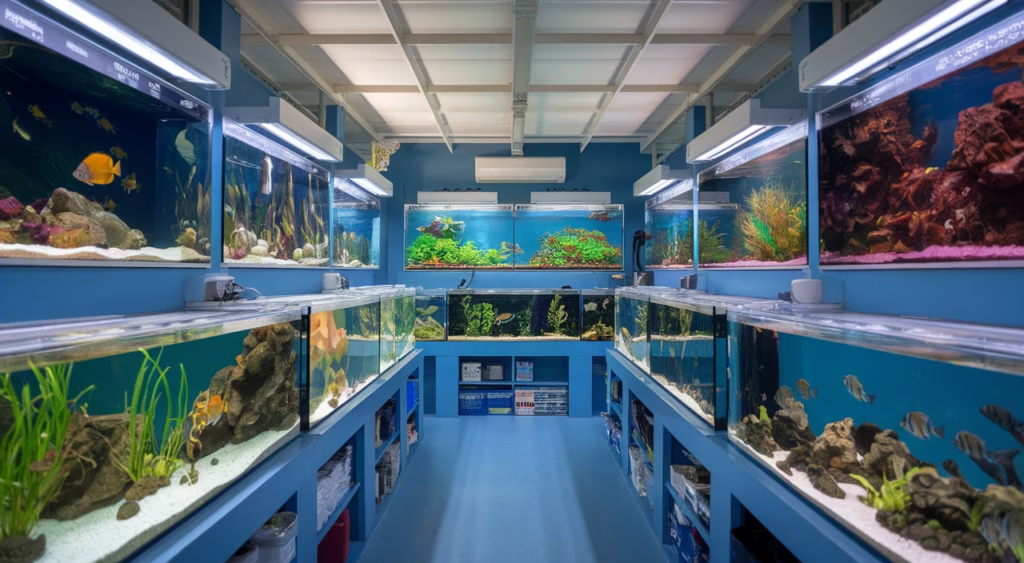
How to Create a Fish Tank Sanctuary: Understanding the Foundation of a Perfect Fish Room
Are you looking for “tips for organizing fish tanks” and transforming your current setup into a true aquatic retreat? Creating a fish tank sanctuary means designing a space that is not only functional and efficient for your aquatic inhabitants but also a calm and inspiring environment for you, the aquarist, to enjoy your hobby without the stress of disorganization or inefficient workflows. It is about moving beyond simply housing fish to curating an experience, ensuring every aspect of your “perfect fish room” contributes to the health and beauty of your aquariums.
As someone who has navigated the exhilarating, sometimes chaotic, world of “multiple tank syndrome” for decades, I can tell you that the dream of a “perfect fish room” is not just a fantasy; it’s an achievable reality with the right planning and execution. We all start somewhere, perhaps with a single tank, then two, then suddenly, your living room is a labyrinth of bubblers and filters. This article is crafted from years of hands-on experience, aimed at providing you with comprehensive “fish tank tips” and practical “aquarium organization” strategies to elevate your hobby. We’ll dive into the intricacies of “fish room optimization,” helping you build a dedicated space that supports your passion for aquatic life, whether you’re a seasoned enthusiast or just starting your journey into creating a truly dedicated fish room.
The Importance of a Well-Organized Fish Room
For many of us, the journey into aquaristics begins innocently enough: a small tank here, a desktop nano tank there. Before long, we find ourselves surrounded by a growing collection, each tank a miniature ecosystem demanding attention, care, and space. This delightful expansion often leads to what aquarists affectionately term “multiple tank syndrome.” While it’s a testament to our passion, it can also quickly become overwhelming without a dedicated, well-thought-out space. This is where the concept of a “perfect fish room” becomes not just a luxury, but a necessity for long-term enjoyment and success in the hobby.
A well-organized fish room is more than just a place to put your tanks; it’s a carefully designed hub that streamlines maintenance, ensures the health and stability of your aquatic environments, and ultimately, enhances your overall experience as an aquarist. Imagine having all your equipment, food, medications, and testing kits readily accessible, neatly stored, and logically arranged. Picture a space where water changes are less of a chore and more of a fluid, efficient process. This level of organization reduces stress, saves time, and significantly lowers the likelihood of errors, which can be critical when dealing with delicate aquatic life. For beginners, understanding the value of organization from the outset can prevent common pitfalls and build good habits. For seasoned hobbyists grappling with the complexities of numerous tanks, a dedicated, optimized fish room can transform what might feel like a demanding routine into a truly enjoyable and manageable endeavor. It ensures that your hobby remains a source of relaxation and fascination, rather than becoming a source of frustration. Furthermore, a thoughtfully designed fish room protects your investment, prolonging the life of your equipment and safeguarding the health of your aquatic inhabitants by facilitating consistent, high-quality care.
Tips for Optimizing Your Fish Room Layout
Optimizing your fish room layout is foundational to creating a functional and aesthetically pleasing aquatic sanctuary. It’s about more than just fitting tanks into a room; it’s about strategic placement that considers workflow, access, and the specific needs of each aquarium. From the moment you begin planning, think about the practicalities: where will water come in and go out? How will you access filters, heaters, and lighting for maintenance? Where will your storage be? These considerations are crucial for long-term success and enjoyment, especially when dealing with the demands of “multiple tank syndrome.” Many competitor articles touch on layout but often lack the depth needed to truly implement efficient designs. Here, we’ll delve into tangible strategies and examples that move beyond generic advice, offering specific “fish tank design ideas” that cater to both utility and visual appeal.
Maximizing Space Efficiency: Smart Layouts for Multiple Tank Syndrome
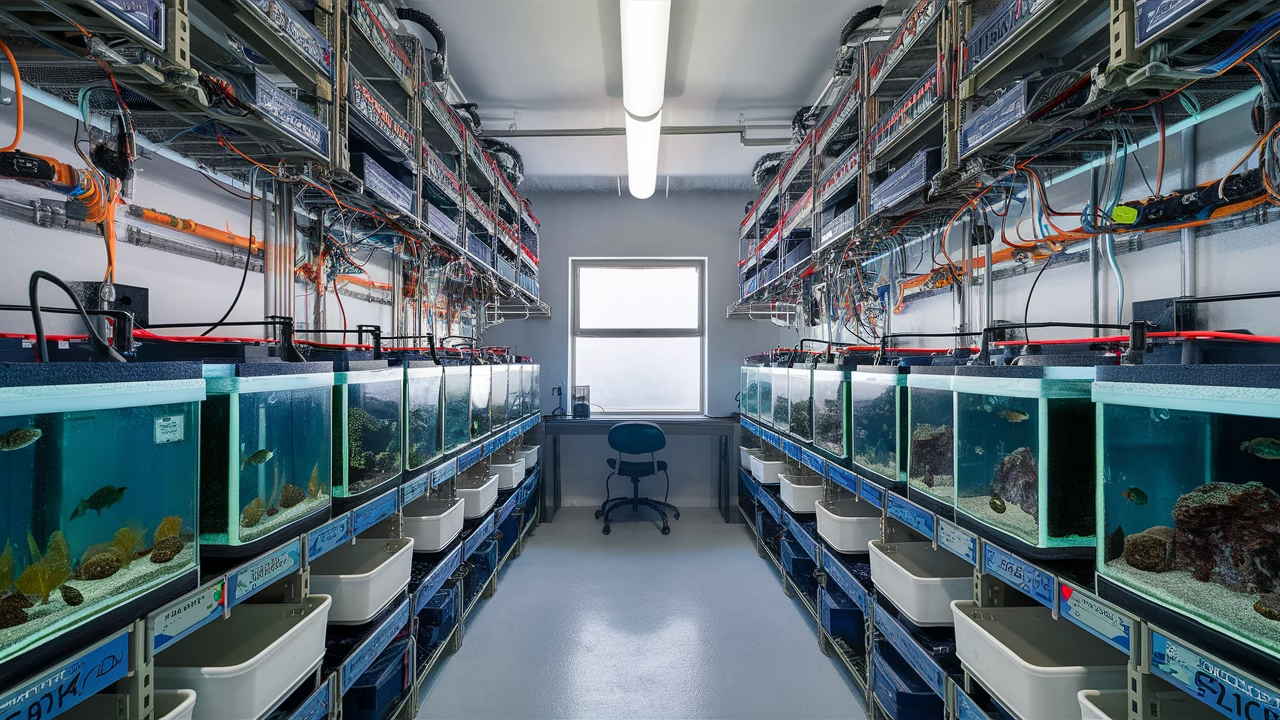
When you’re dealing with “multiple tank syndrome,” making the most of every square inch is paramount. Maximizing space efficiency isn’t just about cramming tanks in; it’s about intelligent design that allows for growth, easy access, and optimal workflow. One of the most effective ways to achieve this is through vertical stacking. Custom-built shelving units or heavy-duty industrial racks designed to support significant weight are invaluable. These allow you to place multiple smaller tanks above and below larger ones, or even several tanks of similar size on different levels, effectively utilizing vertical space that would otherwise be wasted. When planning your racks, consider the weight of water (approximately 8.3 pounds per gallon) plus the tank, substrate, and decor. Always over-engineer for safety. For instance, a 20-gallon long tank holds about 166 pounds of water; if you have four such tanks on a single shelf, that’s already over 660 pounds, not including the glass, substrate, or rockwork. Professional-grade metal shelving units, often found in warehouses or garages, are ideal due to their high weight capacity and durability.
Another key strategy for “easy fish room organization hacks” is to integrate dedicated work areas. A sturdy workbench or countertop, strategically placed, provides a space for preparing food, performing water tests, mixing supplements, and cleaning equipment. This centralizes messy tasks and keeps your main living areas clean. Consider a utility sink within the fish room if plumbing allows. A sink drastically simplifies water changes, equipment rinsing, and general cleanup, making these frequent tasks far less cumbersome. If a permanent sink isn’t feasible, a large utility tub on wheels can serve a similar purpose, allowing you to easily transport water and catch spills.
For storage, think vertically again. Wall-mounted shelves, pegboards, and cabinets can house all your dry goods, spare parts, medications, testing kits, and cleaning supplies. Labeling is non-negotiable for true efficiency; clearly marked containers for food, filters, and chemicals save immense time and prevent costly mistakes. For example, rather than having a jumbled drawer of filter media, consider clear, stackable bins, each labeled for a specific filter type or tank. This level of detail not only helps you, but also anyone else who might need to assist with your tanks. Furthermore, consider the flow of maintenance. Position quarantine or hospital tanks in an easily accessible but separate area to prevent cross-contamination. This dedicated space for new arrivals or ailing fish is a hallmark of a truly professional and organized fish room, allowing for critical observation and treatment without impacting your main display tanks. By thinking systematically about space utilization and workflow, you can transform a cluttered collection of aquariums into a highly efficient and enjoyable aquatic hub, truly maximizing your potential for a “perfect fish room” even within limited square footage.
Enhancing Aesthetic Appeal: Designing a Visually Pleasing Aquatic Space
While functionality is paramount, the aesthetic appeal of your fish room should not be overlooked. After all, this is a space where you spend a considerable amount of time, and it should be enjoyable to be in. Enhancing the visual appeal contributes to your overall enjoyment and can transform a utilitarian space into a personal sanctuary. Think of it as creating a gallery for your living art. One of the simplest yet most impactful “fish tank design ideas” is consistent lighting. Beyond the individual tank lights, consider ambient room lighting that is soft and controllable. LED strip lights under shelves or along walls can create a welcoming glow, highlighting your tanks without causing excessive algae growth within them. Dimmers are a fantastic addition, allowing you to set the mood for observation or maintenance tasks.
Color schemes also play a significant role. A neutral or calming paint color for the walls can make the aquatic colors of your fish and plants truly pop. Avoid overly bright or chaotic colors that might compete with the vibrant life within your tanks. Backdrops for your tanks, whether simple black, blue, or frosted, provide a clean, consistent look and prevent distractions from the wall behind. Many aquarists opt for adhesive backdrops or even paint the back of their tanks for a seamless appearance. This simple step can dramatically improve the visual depth and cleanliness of your aquarium displays.
Cable management is another critical, often overlooked, aspect of aesthetics. A tangle of wires, power strips, and tubing is not only unsightly but also a potential hazard. Utilize cable ties, zip ties, wire conduits, and even custom-built false walls or panels to hide plumbing and electrical lines. Running wires along the back of shelving units or through PVC pipes can create a much cleaner and safer environment. For instance, if you have multiple sumps or canister filters, routing their input and output lines neatly along the shelving structure, perhaps through drilled holes, creates a professional and tidy appearance. Consider using dedicated power strips for each rack or section, and label each plug to easily identify which piece of equipment belongs to which tank. This not only enhances the visual appeal but also simplifies troubleshooting and maintenance. By incorporating these thoughtful design elements, your fish room becomes more than just a functional space; it transforms into a calming, visually engaging environment that truly represents the beauty of the aquatic world you cultivate. It’s a key step in creating your own “fish tank sanctuary.”
Essential Tools and Equipment for a Perfect Fish Room
A “perfect fish room” is only as good as the tools and equipment that support it. Having the right gear, well-maintained and organized, is crucial for efficient operation and successful aquatic husbandry. Competitor articles often list common equipment, but rarely delve into the specific considerations for a dedicated fish room or the rationale behind selecting certain types of tools. As an experienced aquarist, I’ve learned that investing in reliable, appropriately sized equipment saves time, prevents headaches, and ultimately protects your valuable aquatic life. This section will guide you through the essential tools, focusing on functionality and why they are indispensable for your “fish room optimization” efforts.
First and foremost, robust filtration systems are non-negotiable. Depending on the size and bioload of your tanks, you’ll need a combination of mechanical, chemical, and biological filtration. Canister filters are excellent for their large media capacity and quiet operation, often suitable for multiple smaller tanks with a manifold system or individual larger tanks. Sump systems are a staple for larger setups, offering unparalleled flexibility for adding media, refugiums, and protein skimmers (for saltwater). They also effectively hide heaters and other equipment, contributing to a cleaner tank aesthetic. When planning your filtration, consider redundancy; having spare filter media or even a backup filter can be a lifesaver during unexpected failures. For example, maintaining a cycled sponge filter in your sump can provide instant biological filtration for a new quarantine tank or an emergency backup.
Water management is another critical area. High-quality water testing kits (liquid drop tests are generally more accurate than strips) for ammonia, nitrite, nitrate, pH, and alkalinity are paramount. Regular monitoring is key to preventing problems before they escalate. Automated water change systems or large water storage containers (food-grade barrels or tubs) are invaluable for those with multiple tanks. Imagine performing a 50-gallon water change without lugging buckets! A robust python or gravel vacuum system connected directly to a sink or drain can revolutionize your maintenance routine. For conditioning tap water, a sizable carbon filter unit or even a reverse osmosis (RO) system is a significant investment that pays dividends in water quality, especially if your tap water is inconsistent or contains undesirable contaminants. Having a dedicated mixing station for RO water, complete with a pump and heater, makes preparing water for sensitive species or reef tanks much easier.
Beyond filtration and water quality, consider the myriad small but essential tools. A dedicated set of aquarium-safe buckets and siphons for each tank or group of tanks prevents cross-contamination. Long-handled tongs and scissors are indispensable for aquascaping and reaching into deep tanks. Algae scrapers (magnetic, blade, or pad types) keep glass clean. A reliable thermometer for each tank is crucial, and a digital thermometer for quickly spot-checking multiple tanks is a wise addition. Power strips with individual switches and surge protection are a must, helping you manage power to each piece of equipment and protect against electrical fluctuations. Don’t forget an air pump and air stones; even if not primarily for filtration, they can provide emergency aeration or run sponge filters in breeding tanks. Finally, a dedicated workbench with task lighting and comfortable seating transforms maintenance from a chore into a focused activity, enhancing your ability to provide optimal care for your aquatic inhabitants. These thoughtful additions and considerations go far beyond basic equipment lists, providing the depth and practical examples necessary to truly achieve a “perfect fish room.”
Maintaining Water Quality and Monitoring Systems: The Lifeline of Your Aquatic Ecosystem
At the core of every thriving aquarium and every successful “perfect fish room” lies impeccable water quality. No amount of elaborate “fish tank design ideas” or sophisticated equipment can compensate for poor water parameters. Maintaining stable, pristine water isn’t just a recommendation; it’s the lifeline of your aquatic ecosystem. This is an area where many hobbyists, especially beginners, struggle, and competitor articles often provide only superficial advice. My experience has taught me that consistency and diligent monitoring are far more important than any single piece of equipment. Let’s explore the robust strategies for maintaining water quality and the indispensable monitoring systems that will safeguard your aquatic investment.

The Pillars of Pristine Water: Regular Testing and Strategic Changes
The first pillar of water quality is routine testing. You cannot manage what you do not measure. A comprehensive liquid test kit that covers ammonia, nitrite, nitrate, pH, and ideally general hardness (GH) and carbonate hardness (KH) is a foundational tool. For saltwater systems, you’ll also need tests for salinity, calcium, alkalinity, and magnesium. Establish a consistent testing schedule. For new tanks, daily or every other day testing is critical during the cycling phase. For established tanks, weekly or bi-weekly tests provide an accurate snapshot of your water’s health. Documenting these results in a logbook or spreadsheet allows you to spot trends, anticipate problems, and correlate water parameters with fish behavior or plant growth. For instance, if you notice nitrates creeping up consistently, it’s a clear indicator that you may need to increase the frequency or volume of your water changes, or evaluate your feeding habits.
The second pillar is consistent water changes. This is perhaps the single most impactful maintenance task you can perform. Water changes dilute accumulated nitrates, replenish essential trace elements, and remove pollutants that filtration alone cannot handle. The frequency and volume depend on your bioload, filtration, and water test results. A common starting point is 25-30% weekly, but this should be adjusted based on your specific tank needs. For a “fish tank sanctuary” with multiple tanks, an efficient water change system is paramount. This could be a gravity-fed system from a large, pre-mixed water reservoir (for conditioned tap water or saltwater) or a pump-driven system that draws new water from storage and empties old water into a drain. Having a dedicated, heated saltwater mixing station for reef tanks ensures that new water is perfectly conditioned and temperature-matched, minimizing stress on delicate corals and fish. Always ensure new water is temperature-matched and dechlorinated (for freshwater) or properly mixed and aerated (for saltwater) before adding it to your tanks. This proactive approach to water management is a primary “fish room optimization” strategy, ensuring stability and preventing the crash of delicate ecosystems.
Beyond the Basics: Advanced Monitoring and Emergency Preparedness
For the truly “perfect fish room,” advanced monitoring systems provide an extra layer of security and convenience. Digital monitoring devices can continuously track parameters like pH, temperature, and salinity, alerting you to deviations. Controllers can automate heaters, chillers, and even dosing pumps for supplements, ensuring precise and consistent environmental conditions. While these can be significant investments, they offer peace of mind, especially for complex reef systems or breeding setups where stability is critical. For instance, a temperature controller can turn off a faulty heater that’s overheating your tank or activate a chiller if temperatures climb too high, preventing a catastrophic loss of livestock.
Leak detection sensors, strategically placed beneath tanks or sumps, can alert you to spills or leaks before they cause extensive damage. These simple devices can save thousands in repairs and prevent structural issues. Additionally, having a robust electrical system is vital. All equipment should be plugged into ground fault circuit interrupter (GFCI) outlets or power strips, which quickly cut power in the event of a short circuit or water contact, protecting both you and your equipment. For power outages, a battery-backup air pump or a small generator can keep vital filtration and aeration running for critical hours, preventing oxygen deprivation. Having emergency supplies readily available, such as spare heaters, air pumps, dechlorinators, and medications, is a hallmark of a well-prepared aquarist. These “easy fish room organization hacks” extend beyond just tidiness; they are about creating a resilient and responsive environment. By embracing these diligent maintenance practices and smart monitoring solutions, you’re not just maintaining tanks; you’re actively cultivating thriving, stable aquatic ecosystems that are the hallmark of any “fish tank sanctuary.” This depth of planning and preparation is often missing in general guides, but it’s essential for long-term success in your dedicated “perfect fish room.”
Inspirational Fish Room Designs to Consider: Creating Your Unique Aquatic Haven
After diving deep into the functional aspects of creating a “perfect fish room,” it’s time to explore the exciting world of “best fish room designs.” This is where functionality meets personal style, allowing you to create a unique “fish tank sanctuary” that reflects your passion and provides an ideal environment for your aquatic companions. Competitor articles often show generic images without explaining the design principles or practical implications. Here, we’ll look at various concepts, offering detailed examples and considerations that you can adapt to your own space, filling the gap for actionable design inspiration.
The Breeder’s Paradise: Efficiency and Specialization
For those focused on breeding specific species, a fish room designed for efficiency and specialization is paramount. This design typically features numerous smaller tanks, often arranged in multi-tiered rack systems. The emphasis is on maximizing the number of tanks in a confined space while maintaining ease of access for feeding, cleaning, and fry collection. A common setup involves connected filtration systems, such as a centralized sump or a large sponge filter system powered by a single air pump, which provides consistent water parameters across multiple breeding tanks, simplifying water changes and maintenance. For example, a series of 10-gallon tanks on industrial shelving, each with its own heater and air stone, but all sharing a common return line to a large sump, allows for easy management. This design often prioritizes practicality over aesthetics, focusing on robust, durable materials that are easy to clean and sanitize. Clear labeling of tanks for species, breeding pairs, and fry stages is critical. Storage for various specialized foods, breeding mops, and nets is meticulously organized, often using clear bins and drawers mounted on walls or under racks. This design exemplifies “aquarium organization” at its peak, tailored for productivity and rapid response to breeding cycles.
The Display Gallery: Aesthetics and Accessibility
If your goal is to showcase a collection of stunning aquascapes or rare specimen fish, a display gallery fish room focuses on aesthetics and optimal viewing. Here, tanks might be fewer in number but larger in size, often featuring high-quality glass, advanced lighting, and intricate aquascaping. The design prioritizes clean lines, hidden equipment, and controlled lighting to highlight the beauty within each tank. For instance, a series of rimless tanks with sumps hidden in custom cabinetry below, all illuminated by sleek, programmable LED fixtures, creates a breathtaking visual experience. Walkways between tanks are wider, allowing comfortable viewing and photography. Maintenance access is carefully integrated into the design, with pull-out shelves for filter maintenance or dedicated plumbing lines running discreetly behind false walls. The room itself might feature subtle, indirect lighting, comfortable seating, and even art related to aquatic themes, creating a truly immersive and relaxing environment. Cable management is meticulously executed, with wires and tubing concealed within conduits or behind panels, ensuring nothing detracts from the aquatic artistry. This approach perfectly embodies “fish tank design ideas” that blend functionality with high-end presentation, creating a “perfect fish room” that doubles as a personal art gallery.
The Utility Hub: Practicality for the Busy Hobbyist
For the hobbyist juggling a busy schedule or simply wanting a highly practical approach to “fish room optimization,” the utility hub design focuses on streamlined maintenance and robust, low-maintenance systems. This might involve larger tanks with generous filtration capacity, requiring less frequent intervention. Durable, easy-to-clean surfaces are prioritized, such as epoxy floors and waterproof wall panels. A central utility sink with a strong faucet and sprayer is a cornerstone, making water changes, bucket rinsing, and equipment cleaning quick and efficient. Shelving is open and accessible, housing commonly used items like food, test kits, and water treatment chemicals within arm’s reach. Automated dosing systems for fertilizers or supplements, and even automatic top-off (ATO) units, reduce daily tasks. The emphasis here is on reliability and reducing the physical demands of maintenance, allowing the hobbyist more time to simply enjoy their tanks. For example, a row of large breeder tanks on heavy-duty racks, each equipped with oversized sponge filters and a dedicated powerhead for circulation, connected to a robust python system for water changes, minimizes manual effort. This design is about intelligent automation and thoughtful layout to make the hobby sustainable and enjoyable for years to come, truly delivering on the promise of “easy fish room organization hacks” and a long-lasting “fish tank sanctuary.” Each of these design philosophies offers a unique path to your “perfect fish room,” proving that with careful planning and a clear vision, any aquarist can create an aquatic space that perfectly suits their needs and passion.
Conclusion: Cultivating Your Perfect Fish Room for Lasting Aquatic Joy
Embarking on the journey to create your “perfect fish room” is an investment in your passion, your time, and the well-being of your aquatic companions. As we’ve explored, it’s about more than just finding space for another tank; it’s about strategically designing an environment that supports efficient “aquarium organization,” streamlines maintenance, and fosters a truly thriving ecosystem. From meticulously planning your “fish room optimization” with smart layouts to selecting the essential tools and diligently maintaining water quality, every step contributes to transforming a collection of tanks into a cohesive, functional, and beautiful “fish tank sanctuary.”
We’ve delved into practical “tips for organizing fish tanks,” offering solutions for everything from conquering “multiple tank syndrome” with vertical stacking to ensuring your electrical systems are safe and tidy. We’ve gone beyond basic equipment lists, focusing on the rationale behind choosing robust filtration, accurate testing kits, and efficient water management systems. Crucially, we emphasized the non-negotiable importance of consistent water quality, regular testing, and proactive water changes – the very lifelines of your aquatic world. Furthermore, by drawing inspiration from diverse “best fish room designs,” from the specialized breeder’s paradise to the aesthetic display gallery, we’ve highlighted how you can blend functionality with personal style to create a space that is uniquely yours. For beginners seeking “aquarium setup ideas for beginners” or seasoned aquarists looking for “easy fish room organization hacks,” the principles remain the same: thoughtful planning, consistent execution, and a deep appreciation for the aquatic life you nurture.
The ultimate goal is to create a space where your hobby brings joy, relaxation, and a sense of accomplishment, rather than stress or overwhelm. A well-designed, meticulously organized, and efficiently managed fish room truly enhances every aspect of being an aquarist. It’s a testament to your dedication, a safe haven for your fish, and a serene retreat for you. By applying the in-depth knowledge and practical examples shared in this guide, you are well on your way to building an aquatic environment that not only meets but exceeds your aspirations for a “perfect fish room.” May your water stay clear, your parameters stable, and your fish room forever be a source of wonder and delight.

