Introduction
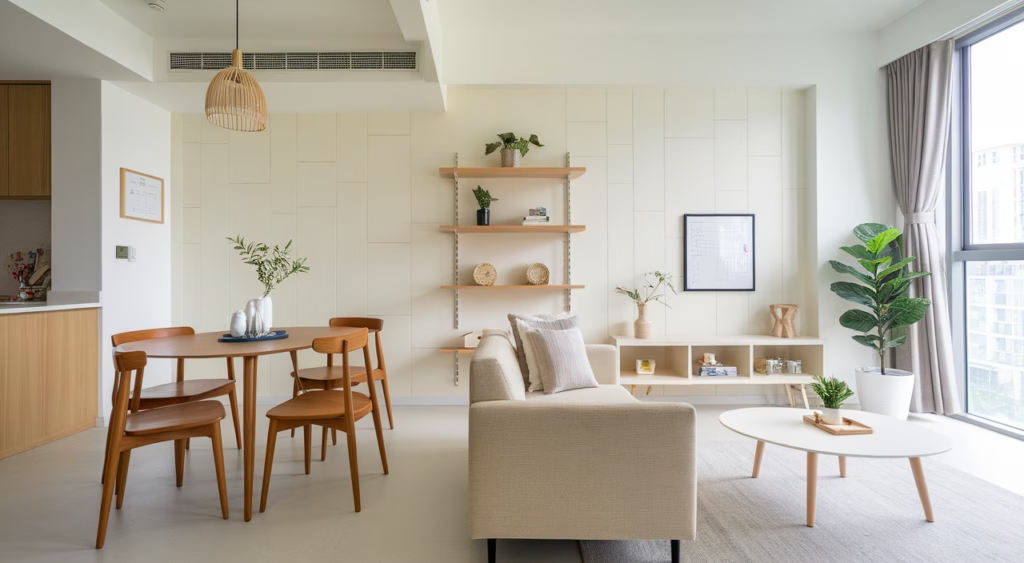
Welcome, Singaporean families! As an interior designer passionate about creating nurturing and functional family spaces, I know firsthand the unique journey you embark on when homeschooling your children in an HDB flat. It's a wonderful commitment, one that asks your home to be more than just a place to live – it needs to be a dynamic classroom, a creative studio, a quiet library, and still, a comfortable family haven. The challenge, of course, lies in making every square inch count, especially when you're balancing learning needs with everyday living.
Many families come to me feeling overwhelmed by the thought of renovating or even just reconfiguring their HDB space to accommodate homeschooling. They worry about cost, about losing precious family bonding areas, or simply not knowing where to start. But I'm here to tell you it's absolutely possible to create an inspiring, organized, and budget-friendly homeschooling environment right within your HDB home. This guide is specifically designed for you, offering practical, creative, and cost-effective HDB renovation ideas that cater directly to the demands of homeschooling life. We'll delve into clever room dividers, kid-friendly living space solutions, and smart organization hacks, all with a focus on affordability and ease of implementation. Let's transform your HDB flat into the perfect home and learning sanctuary.
Looking for cost-effective HDB renovation ideas that truly work for homeschooling families?
Absolutely! Transforming your HDB flat into a multi-functional space for both living and learning doesn't have to break the bank. With a creative and practical approach, you can implement smart HDB renovation ideas that are both budget-friendly and highly effective for homeschooling environments.
TLDR: Budget-Friendly HDB Renovation Ideas for Homeschooling Success
For Singaporean homeschooling families, transforming an HDB flat into a functional and inspiring learning hub requires smart, cost-effective HDB renovation ideas. Our approach focuses on making the most of your existing space with practical solutions.
- Creative Room Dividers: Implement affordable and flexible room divider solutions like custom shelving units, fabric panels on tracks, or even large mobile whiteboards. These create dedicated homeschooling zones without permanent, costly construction, offering practical room divider solutions for small spaces.
- Kid-Friendly Living Spaces: Prioritize durable, easy-to-clean materials and multi-functional furniture. Opt for modular sofas, storage ottomans, and washable rugs to create a resilient and adaptable kid-friendly living space for both study and play.
- Budget-Conscious Design: Focus on DIY projects, upcycling furniture, and strategic use of paint and lighting. These strategies ensure modern homeschool room design is achievable without expensive overhauls, allowing for cost-effective HDB renovation ideas.
- Maximizing Organization: Utilize vertical space with wall-mounted shelves, pegboards, and clever hidden storage. Good organization is key to maintaining a clutter-free homeschool environment and keeping costs down by avoiding the need for more space.
By implementing these thoughtful HDB renovation ideas, you can create an inviting and efficient homeschooling home that supports your children's education and your family's lifestyle, all within a reasonable budget.
1. Creative Room Divider Ideas for Homeschooling Spaces
One of the biggest hurdles for homeschooling families in HDB flats is creating dedicated learning zones without sacrificing precious floor space or making the home feel cramped. This is where creative room dividers become your best friend. They offer practical room divider solutions for small spaces, allowing you to define areas for different subjects, focused work, or even just a quiet reading nook, all while maintaining flexibility.
Practical Room Divider Solutions for Small Spaces: Beyond the Walls
Forget the idea that you need to build new walls – that's costly, permanent, and often impractical in HDBs. Instead, think about visual and functional separation. Here are some specific examples that I often recommend to my clients:
a. Custom Shelf or Storage Units: Dual-Purpose Dividers
This is my absolute go-to for homeschooling families. A well-designed open-shelf unit, or even a series of IKEA Kallax units, can serve as both a room divider and a powerhouse of storage. Imagine a unit placed perpendicular to a wall, effectively creating a "corridor" to a new zone. On one side, it holds textbooks, stationery, and art supplies for the homeschool area. On the other, it can display family photos or hold decorative items for the living space. Opt for units that are open from both sides to allow light penetration, or choose ones with a mix of open shelves and closed cabinets for varied storage needs. For a truly cost-effective HDB renovation idea, you can even upcycle an old bookshelf with a fresh coat of paint and some backing panels to make it feel more substantial. Step-by-step tip: Measure your space carefully. Choose a unit height that provides visual separation without blocking too much natural light or airflow. Secure it to the floor or wall if it's tall and freestanding, especially important in a kid-friendly living space.
b. Fabric Panels or Curtains: Flexible and Visually Soft
For a softer, more flexible division, consider installing ceiling-mounted tracks with fabric panels or heavy-duty curtains. These are incredibly versatile; they can be pulled back completely when you want an open-plan feel, or drawn shut to create an instant private study area. Choose fabrics that complement your home's existing decor but are also durable and easy to clean, given the presence of active kids. Light-filtering fabrics can maintain brightness, while blackout curtains are great for creating a focused environment for presentations or quiet study. This is a brilliant and budget-friendly option for creating homeschooling room design spaces. Step-by-step tip: Install a robust track system – cheap ones will sag. Select fabrics that are washable and consider layering them for better sound dampening if possible. This also works well for homes for sale Singapore, showcasing versatility.
c. Mobile Whiteboards or Pin Boards: Functional and Adaptable
Large, double-sided mobile whiteboards or pin boards on wheels are a creative room divider solution that doubles as a learning tool. They can be moved around as needed, defining a study zone during school hours and then tucked away against a wall when not in use. One side can be a lesson board, while the other might feature a rotating art display or weekly schedule. They offer a tangible, functional barrier without permanence. Step-by-step tip: Look for commercial-grade whiteboards – they last longer and clean better. Ensure the wheels have locks to keep them stable during use. You can even DIY a large pinboard by attaching cork tiles to a sturdy wooden frame on wheels.
d. Bi-fold or Sliding Screens: Aesthetic and Practical
For a slightly more structured but still flexible approach, consider bi-fold or sliding screens. These can be crafted from various materials – wood, bamboo, or even frosted acrylic panels for light diffusion. They can be custom-made to fit specific openings or sourced as ready-made panels. While potentially a bit more of an investment than curtains, they offer a more permanent aesthetic without the commitment of a solid wall. They are particularly effective for a modern homeschool room design. Step-by-step tip: If custom-making, work with a skilled carpenter to ensure smooth operation and appropriate sizing for your HDB flat's dimensions. Look for lightweight materials for easier movement.
These creative room dividers are not just about separation; they're about enhancing functionality and flexibility, crucial elements for successful homeschooling in an HDB environment. They are key HDB renovation ideas that make a real difference.

2. Kid-Friendly Living Room Renovation Tips
The living room in an HDB flat often serves multiple purposes – it's the family gathering spot, an entertainment hub, and for homeschooling families, it frequently doubles as an extension of the learning space. Designing a kid-friendly living space means creating an area that can withstand the rigours of daily life with children, yet still feel stylish, comfortable, and conducive to learning. It's about striking that perfect balance between durability, safety, and aesthetics.
Creating a Resilient and Adaptive Kid-Friendly Living Space
When planning your HDB renovation ideas for the living room, think about how materials, furniture, and layout can support both energetic play and focused study. The goal is an adaptable room that flows seamlessly from one activity to the next.
a. Durable and Easy-to-Clean Surfaces: The Foundation
Let's be realistic: spills, crayon marks, and general wear and tear are part of life with kids. Prioritizing durable and easy-to-clean surfaces is a non-negotiable. For flooring, consider vinyl (SPC) or laminate planks that mimic wood but are far more resistant to scratches and moisture than real timber. Large-format porcelain tiles are another excellent option, offering extreme durability and easy mopping. For walls, opt for washable paints (e.g., those with a "sheen" finish or specific kid-friendly formulations). You can even install a wainscoting or dado rail paneling in high-traffic areas, painted in a scuff-resistant finish, to protect walls from bumps and marks. Step-by-step tip: When choosing paints, test swatches on your wall to see how they look in your home's specific lighting before committing to the entire room. Research the cleaning instructions for your chosen flooring material – some laminates cannot be wet mopped.
b. Multi-Functional and Modular Furniture: Versatility is Key
In an HDB flat, every piece of furniture should earn its keep. Look for items that can serve more than one purpose or be easily reconfigured. Modular sofas, for instance, can be rearranged to create different seating configurations for family movie nights, reading circles, or even a relaxed study zone. Storage ottomans are brilliant; they provide extra seating, a footrest, and a place to stash toys, books, or art supplies out of sight. Coffee tables with built-in storage or expandable tops that can become a larger work surface are also invaluable. Consider nesting tables – smaller tables that tuck under a larger one – which can be pulled out for individual study or play. This is a core principle for any modern homeschool room design. Step-by-step tip: Before purchasing, measure your furniture and mock up different layouts with masking tape on the floor to visualize how it will fit and function in your living room.
c. Zone Design with Rugs and Lighting: Defining Spaces
Even without physical dividers, you can create distinct zones within your living room using rugs and lighting. A large, durable rug can define the main seating area, providing a soft landing for playtime. Smaller, washable rugs can delineate a reading corner or a quiet study spot. When it comes to lighting, a mix of overhead ambient lighting, task lighting (like floor lamps or table lamps for reading/studying), and accent lighting (to highlight artwork) can enhance the room's functionality and mood. A dedicated floor lamp with adjustable brightness near a reading chair, for example, subtly marks it as a "reading zone." Step-by-step tip: Choose low-pile rugs or washable rugs for ease of cleaning. Consider smart lighting systems that allow you to change brightness and colour temperature, adapting the "mood" of different zones as needed.
d. Prioritizing Safety: Child-Proofing with Style
Safety is paramount in a kid-friendly living space. This means rounding sharp corners on furniture where possible, securing tall bookshelves or TVs to walls to prevent tipping, and using outlet covers. But child-proofing doesn't have to mean sacrificing style. Many modern designs incorporate soft edges and durable materials inherently. Think about low-profile furniture that minimizes fall risks. Consider "soft play" elements like large floor cushions or beanbags for comfortable, informal seating that also encourages active play. Step-by-step tip: Do a "child's eye view" walk-through of your living room – get down on their level to spot potential hazards you might otherwise miss. Ensure all electrical cords are tidily managed and out of reach.
By implementing these thoughtful HDB renovation ideas, your living room can become a truly versatile and welcoming space that supports your children's learning journey while remaining a comfortable and stylish hub for the entire family. It's about creating a harmonious homeschool environment that fosters growth and togetherness.
3. Budget-Friendly HDB Homeschooling Room Designs
Designing a dedicated or even a multi-functional homeschooling space in your HDB flat doesn't have to necessitate a massive renovation budget. With a creative mindset and a focus on smart choices, you can achieve a modern homeschool room design that is both inspiring and economical. The key is to leverage existing resources, explore DIY solutions, and prioritize functionality without overspending on aesthetics that might quickly become outdated.
Achieving Modern Homeschool Room Design on a Dime
My philosophy for budget-friendly HDB renovation ideas is always to work smarter, not harder. Let's break down how you can create an effective and beautiful learning environment without financial strain.
a. Strategic Use of Paint: The Ultimate Budget Transformer
Paint is arguably the most powerful and cost-effective tool in any interior designer's arsenal. A fresh coat of paint can instantly transform a space, making it feel brighter, larger, or more focused. For a modern homeschool room design, consider:
- Feature Walls: Paint one wall in a bold, inspiring colour – perhaps a calming blue for focus, or an energetic green for creativity. This creates a focal point without overwhelming the small HDB space.
- Chalkboard or Whiteboard Paint: Designate a section of a wall for learning with special paints. This turns a simple wall into a dynamic, interactive canvas for lessons, brainstorming, or just creative expression. It's incredibly practical and engaging for kids.
- Defined Zones: Use different shades of the same colour, or complementary colours, to subtly define different zones within a larger room without physical dividers. A lighter shade for a reading nook, for example, and a slightly darker one for the study desk.
Step-by-step tip: Prep is key for a good paint job. Clean walls thoroughly, tape edges precisely, and apply primer if changing a dark colour to light. Don't skimp on quality paint – it offers better coverage and durability, saving money in the long run.
b. Upcycling and DIY Furniture: Personal Touches, Low Cost
Before you rush to buy new furniture, look around your home or consider second-hand options. Upcycling existing pieces or embarking on simple DIY projects can save significant money and add unique character to your homeschool space. This is where truly cost-effective HDB renovation ideas shine.
- Repurpose Old Furniture: An old dresser can become a storage unit for school supplies with a fresh coat of paint and new knobs. A sturdy dining table can be repurposed as a large study desk.
- DIY Desks and Shelves: Simple floating shelves can be installed for textbooks and learning resources using inexpensive brackets and planks. A large wooden board placed on top of two filing cabinets makes an instant, spacious desk with built-in storage.
- Pallet Furniture: For a rustic, modern look, repurposed wooden pallets can be cleaned, sanded, and painted to create low desks, seating, or even vertical storage units.
Step-by-step tip: When upcycling, always clean, sand, and prime the furniture before painting for a professional finish. For DIY projects, use online tutorials for guidance and prioritize safety in construction, especially for anything weight-bearing.
c. Smart Lighting Solutions: Ambiance and Functionality
Good lighting is crucial for any learning environment, impacting focus and reducing eye strain. You don't need expensive fixtures to achieve this.
- Maximise Natural Light: Position study desks near windows whenever possible. Use sheer curtains or blinds to control glare without blocking too much light.
- Affordable Task Lighting: Invest in adjustable desk lamps or clamp lights that can be directed precisely where needed. LED bulbs are energy-efficient and come in various colour temperatures – choose cooler white light for focus and warmer light for reading nooks.
- Layered Lighting: Supplement overhead ambient lighting with task lighting and perhaps a small accent lamp for a cozy reading corner. This creates a versatile lighting scheme for different activities.
Step-by-step tip: Avoid placing desks directly facing a window if glare is an issue. Instead, position them perpendicular to the window to get ample natural light without the harsh glare. Ensure all light sources are bright enough to prevent shadows on work surfaces.
d. Creative Storage Hacks: Keeping Clutter at Bay
A tidy space promotes a tidy mind. Budget-friendly storage is essential for maintaining an organized homeschool room design. This ties into practical room divider solutions for small spaces as well.
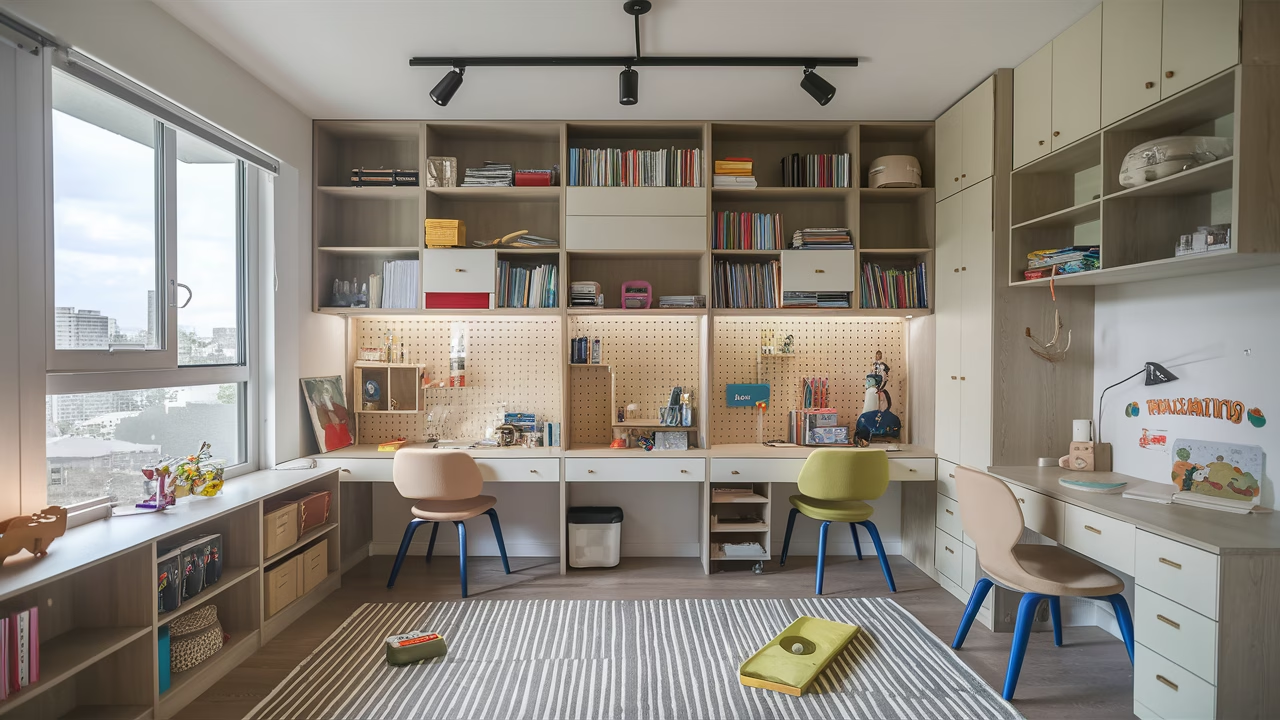
- Vertical Storage: Utilize wall space with floating shelves, pegboards, or wall-mounted fabric pockets. Pegboards are fantastic for hanging art supplies, scissors, and small learning tools.
- Under-Desk and Under-Bed Storage: Rolling storage carts, bins, or drawers that fit under desks or beds can hide away items when not in use.
- Magazine Files and Bins: Inexpensive magazine files are great for organizing worksheets and loose papers. Colour-coded bins or baskets can categorize different subjects or supplies.
Step-by-step tip: Label everything! Clear labels on bins, shelves, and drawers make it easy for children to find and put away their own materials, fostering independence and keeping the space organized.
By thoughtfully applying these budget-friendly HDB renovation ideas, you can craft a highly functional, beautiful, and inspiring modern homeschool room design that supports your children's educational journey without stretching your finances. It's all about smart choices and a little bit of creativity!
4. Maximizing Space: Organization Tips for Homeschooling Families
In the compact environment of an HDB flat, maximizing space is paramount, especially when your home is also a dedicated learning centre. Effective organization is not just about tidiness; it's about creating an efficient flow, reducing stress, and ensuring that every item has its place, making it easy for both children and adults to navigate the homeschooling journey. These practical tips integrate seamlessly with your HDB renovation ideas to ensure longevity and functionality.
Clever Space-Saving Solutions for Small HDB Homes
As an interior designer, I often tell my homeschooling clients that "less is more" when it comes to small spaces, but "smart storage is everything." Here's how to implement space-saving solutions effectively:
a. Embrace Verticality: Walls Are Your Best Friends
Think upwards! The walls in your HDB flat offer untapped potential for storage and organization. This is a fundamental principle in maximizing space and creating an efficient homeschool room design.
- Floor-to-Ceiling Shelving: Install custom or off-the-shelf shelving units that extend from the floor almost to the ceiling. Use the higher shelves for less frequently used items, reference books, or items you want to keep out of younger children's reach. Lower shelves can house active learning materials and textbooks.
- Wall-Mounted Desks or Fold-Down Tables: For older children who need a dedicated study spot, a wall-mounted desk that folds down when needed, then folds back up to reclaim floor space, is ingenious. Similarly, a small fold-down table can serve as an extra workspace for art projects or group activities.
- Pegboards and Magnetic Boards: These are incredibly versatile for a modern homeschool room design. Mount them near a study area to hold everything from stationery in small cups to art tools, schedules, or even small magnetic containers for manipulatives. They keep items visible and accessible without taking up precious desk or drawer space.
Step-by-step tip: When installing shelves or wall-mounted items, always use appropriate wall anchors for HDB walls to ensure safety and stability. For pegboards, plan out your layout before drilling – you can find many free templates online.
b. Multi-Functional Furniture with Built-in Storage: Double Duty
We touched on this in kid-friendly living spaces, but it bears repeating with a specific focus on homeschooling organization. Every piece of furniture should contribute to your storage needs.
- Storage Beds: For bedrooms that double as study zones, consider platform beds with built-in drawers underneath or lift-up storage mechanisms. These are perfect for storing seasonal clothes, extra bedding, or homeschooling supplies that aren't used daily.
- Ottomans and Benches with Storage: Place these in the living room or a hallway. They offer extra seating and a convenient spot to tuck away toys, blankets, or even current school projects that need to be put away quickly.
- Coffee Tables with Drawers/Lift Tops: A coffee table that can hide remotes, magazines, or even a laptop is invaluable for maintaining a clutter-free homeschooling room design.
Step-by-step tip: When selecting storage furniture, check the internal dimensions. Sometimes, what looks spacious on the outside is deceptively small inside. Prioritize pieces that are easy for children to open and close independently.
c. Declutter Regularly: The Ongoing Process
Even the most brilliant HDB renovation ideas and storage solutions won't work if you're holding onto too many things. Decluttering needs to be an ongoing process for homeschooling families, as learning materials, art projects, and textbooks accumulate quickly.
- "One In, One Out" Rule: When a new textbook or educational game comes into the home, evaluate if an older, similar item can be donated, sold, or recycled.
- Seasonal Purge: Schedule regular "purges" at the end of each school year or semester. Go through all learning materials, art supplies, and completed projects. Keep only what is essential, sentimental, or will be reused.
- Digital Archiving: For completed worksheets, art projects, or notes, consider scanning and storing them digitally. This frees up physical space and creates a lasting memory archive.
Step-by-step tip: Involve your children in the decluttering process. This teaches them valuable organizational skills and gives them ownership over their learning space. Make it a fun activity, not a chore.
d. Label Everything: Visibility and Accessibility
Once you have your storage solutions in place, labelling is the final, crucial step to maintaining order. It ensures that everything has a designated home and that items can be found and put away quickly by everyone in the family.
- Clear, Kid-Friendly Labels: Use labels with both text and pictures for younger children. This helps them identify where items belong and encourages independence.
- Category-Based Labelling: Group items by subject (e.g., "Math", "Science"), by type (e.g., "Art Supplies", "Reading Books"), or by child.
- Consistent Labelling System: Stick to one labelling system throughout your homeschool area for consistency. Whether it's a label maker, handwritten labels, or printed tags, uniformity makes it easier to navigate.
Step-by-step tip: Place labels on the front of bins, drawers, and shelves where they are easily visible. For items on open shelves, consider placing a small label on the shelf itself to indicate where specific categories of books or resources belong.
By integrating these powerful organization strategies into your HDB renovation ideas, you'll create a homeschool environment that is not only visually appealing but also incredibly efficient, stress-free, and supportive of your children's learning journey. These space-saving solutions for small homes are truly transformative for Singaporean homeschooling families.
Conclusion
Embarking on the journey of homeschooling in Singapore's unique HDB environment is a testament to your family's dedication and resourcefulness. As an interior designer, I've seen firsthand how thoughtful design and strategic HDB renovation ideas can transform an ordinary HDB flat into an extraordinary haven for both living and learning. The goal is never about creating a "perfect" space, but rather a "purposeful" one – a home that flexes and adapts to the dynamic needs of your homeschooling family.
We've explored a wealth of practical and creative strategies, from implementing ingenious room dividers that carve out dedicated study zones to designing resilient and adaptable kid-friendly living spaces. We've delved into budget-friendly HDB homeschooling room designs, proving that you don't need a massive budget to achieve a modern homeschool room design that inspires and functions effectively. And crucially, we've highlighted the power of maximizing space through clever organization, ensuring that every square inch contributes to a calm, clutter-free, and conducive learning atmosphere.
Remember, your home is a reflection of your family's values and lifestyle. By embracing these HDB renovation ideas, you're not just changing your physical space; you're investing in an environment that nurtures curiosity, fosters independence, and strengthens family bonds. Whether you're looking at homes for sale Singapore or already settled in your HDB flat, these insights will empower you to craft a home that serves as the perfect backdrop for your children's educational adventures and your family's cherished memories. Let's make your HDB flat a true sanctuary where learning flourishes and family life thrives.

