Navigating Your Kitchen Remodel with Easy Vegan Meal Prep?
Are you wondering how to maintain your healthy vegan lifestyle when your kitchen is temporarily out of commission during a renovation? You’re not alone, and I’m here to assure you that it’s not only possible but can even be enjoyable with a little strategic planning and efficient vegan meal prep. This guide will walk you through everything you need to know to whip up delicious, nutritious vegan meals, even without your full kitchen at your disposal.
Introduction to Vegan Meal Prep During a Kitchen Remodel
As a nutritionist and vegan chef, I’ve seen firsthand how a little foresight can make a world of difference, especially when life throws a curveball like a kitchen remodel. Your kitchen is the heart of your home, and temporarily losing access to it can feel like losing a limb, particularly for those of us who prioritize home-cooked, plant-based meals. But don’t despair! This period of transition is actually a perfect opportunity to truly master the art of vegan meal prep. It forces creativity, efficiency, and a renewed appreciation for simple, wholesome foods. We’ll explore why meal prep isn’t just a convenience during your renovation, but a genuine lifeline for maintaining your health, sanity, and delicious vegan diet.
Benefits of Meal Prep
Even under normal circumstances, meal prep offers a plethora of advantages, but during a kitchen remodel, these benefits become absolutely indispensable. Firstly, it’s a huge time-saver. Imagine coming home after a long day of dealing with contractors and decisions, only to realize you have no functional kitchen. If your meals are prepped, a nutritious dinner is just minutes away. This drastically cuts down on cooking time each day, freeing you up to focus on other aspects of your renovation or simply to relax.
Secondly, meal prep is a financial superhero. When your kitchen is out of commission, the temptation to order takeout or dine out escalates dramatically. These impulse decisions quickly add up, draining your budget faster than you can say "new countertops." By having ready-to-eat or easily assembled vegan meals, you significantly reduce your reliance on expensive external food sources, keeping your renovation funds where they belong.
Thirdly, and perhaps most importantly for our health-conscious audience, meal prep ensures consistent nutrition. It allows you to plan balanced, nutrient-dense vegan meals that meet your dietary needs. During a stressful period like a remodel, it’s easy to fall into unhealthy eating patterns, grabbing whatever is quick and convenient, which often means processed foods or less-than-ideal options. With meal prep, you’re in control, making sure you’re fueled with the plant-based goodness your body craves, even when your main cooking hub is a construction zone.
Finally, there’s the significant reduction in stress. Knowing that your meals are handled eliminates a major daily worry. The mental load of a renovation is heavy enough without the added burden of figuring out what to eat three times a day. Meal prep provides a sense of calm and predictability, allowing you to navigate the temporary chaos with greater ease and focus.
Challenges of Kitchen Remodels
Let’s be real: a kitchen remodel comes with its unique set of challenges. Limited space is often the most immediate hurdle. Your sprawling countertops and spacious pantry are gone, replaced by a utility sink (if you’re lucky!), a makeshift food prep area, and boxes. Access to appliances is another major constraint. You might be relying solely on a microwave, a slow cooker, or perhaps an electric kettle, if those are all you have available in an alternative room. This forces a complete re-evaluation of how you cook and what you cook.
Dust and debris are also constant companions during a renovation. Keeping food preparation areas clean and sanitary becomes a daily battle, requiring extra vigilance and immediate cleanup. The general disruption to your routine can also lead to increased stress, which in turn can impact your eating habits and energy levels. It’s a challenging environment that often pushes people towards less healthy, quick-fix food options.
However, understanding these challenges upfront is the first step towards overcoming them. By acknowledging the limitations, we can strategically plan our vegan meal prep to work within them, turning potential obstacles into opportunities for creative culinary solutions. The goal is not just to survive, but to thrive, enjoying delicious and healthy vegan food every step of the way, despite the temporary upheaval.
Essential Vegan Ingredients and Tools for Kitchen Renovation Meal Ideas
Successfully navigating your kitchen remodel with delicious vegan food starts with establishing a functional temporary cooking station and stocking it wisely. As a vegan chef, I’ve learned that you don’t need a sprawling, state-of-the-art kitchen to create incredible plant-based meals. What you need is a smart selection of versatile ingredients and compact tools that can perform multiple tasks. This section will guide you through setting up your temporary hub for preparing fantastic kitchen remodel meal ideas.
Pantry Staples
When space is limited and refrigeration might be scarce or inconvenient, focusing on shelf-stable vegan pantry essentials for meal prep becomes paramount. These are the workhorses that will form the backbone of many of your meals without demanding constant grocery runs or precious fridge space.
- Grains and Pastas: Opt for quick-cooking options like rolled oats for breakfast, quinoa, couscous, or instant rice. Pastas are excellent for hearty, simple meals. Consider varieties that cook quickly or can be soaked, if you have limited stovetop access.
- Legumes: Canned beans (chickpeas, black beans, kidney beans) and lentils are protein powerhouses that require no cooking. Dried lentils can be a great option if you have a slow cooker or electric pressure cooker. They are perfect for adding substance to salads, wraps, or making quick chilis.
- Canned Goods: Beyond beans, think canned tomatoes (diced, crushed, paste) for sauces, canned corn, peas, or diced potatoes for quick additions to stir-fries or bowls. Don’t forget canned coconut milk for creamy curries or sauces.
- Nut Butters & Seeds: Peanut butter, almond butter, tahini are fantastic for quick breakfasts, snacks, or sauces. Chia seeds and flax seeds are great for overnight oats or thickening smoothies. Nuts are excellent for quick energy and healthy fats.
- Flavor Boosters: Shelf-stable broths (vegetable broth), vinegars, oils (olive, avocado), soy sauce or tamari, nutritional yeast (for that cheesy flavor), dried herbs and spices are crucial. Salt and pepper are non-negotiable!
- Dried Fruits: Raisins, dried cranberries, apricots are great for oatmeal, snacks, or adding a touch of sweetness to savory dishes.
Stocking up on these essentials means you’ll always have a foundation for a nourishing meal, even with minimal effort.

Kitchen Gadgets
Your temporary kitchen demands efficient, multi-purpose tools. Think small, mighty, and easy to clean. You won’t have room for everything, so choose wisely.
- Microwave: A true lifesaver for reheating prepped meals, cooking grains, steaming vegetables, or even making quick baked potatoes.
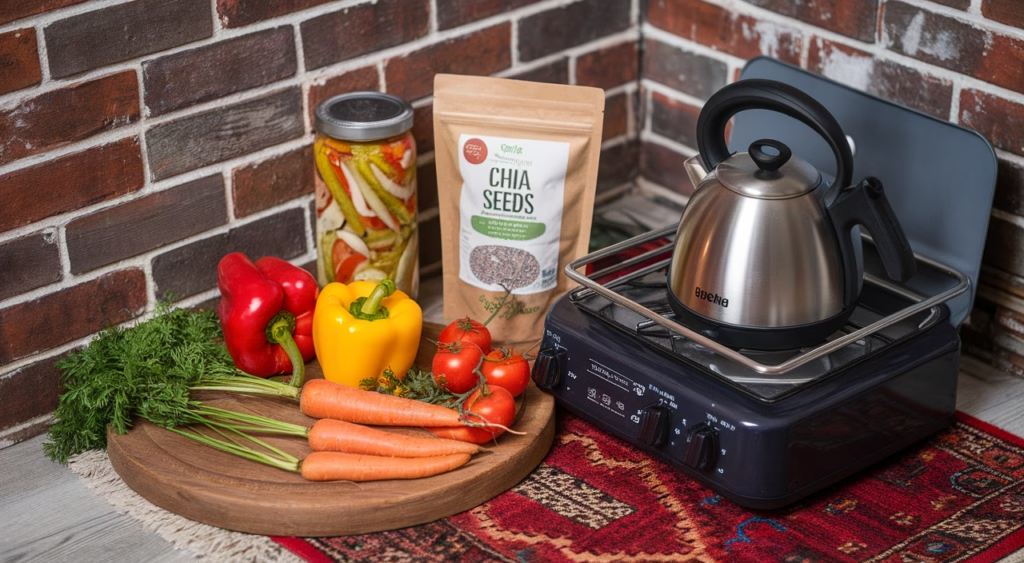
- Electric Kettle: Essential for instant hot water for oatmeal, coffee, tea, or even quickly blanching some greens in a bowl.
- Air Fryer: A fantastic appliance for roasting vegetables, crisping tofu, or reheating items quickly without heating up your whole temporary space. Many models can almost replicate oven functions in a fraction of the space.
- Slow Cooker/Electric Pressure Cooker: These are heroes for hands-off cooking. You can set them in the morning and come back to a hearty soup, stew, or even a batch of perfectly cooked grains or beans. Minimal oversight required!
- Immersion Blender: Perfect for making smoothies, soups, or sauces directly in their container, minimizing cleanup.
- Cutting Board & Sharp Knife: Even in a small space, a good knife and cutting board are indispensable for safe and efficient prep.
- Food Storage Containers: A variety of airtight, stackable containers (glass is preferred for easy cleaning and reheating) are crucial for storing your prepped ingredients and meals.
- Basic Utensils: A can opener, a sturdy spatula, a few mixing bowls, and measuring cups/spoons will cover most of your needs.
With these chosen allies, your temporary kitchen, no matter how small, becomes a surprisingly capable hub for producing delightful convenient vegan meals without a kitchen.
Simple and Flavorful Vegan Meal Prep Recipes for Your Kitchen Renovation
Now that your temporary kitchen is equipped and stocked with your essential vegan pantry items, it’s time to dive into the most exciting part: the food! As a vegan chef, I believe that limited space doesn’t mean limited flavor or variety. In fact, it’s a wonderful opportunity to embrace simplicity and discover how truly delicious and satisfying easy vegan recipes for kitchen renovation can be. The key here is focusing on dishes that require minimal cooking steps, can be made in batches, and are versatile enough to be adapted to different meals or ingredients you have on hand.
Breakfast Ideas
Starting your day with a nourishing vegan breakfast is crucial for maintaining energy and focus, especially during a stressful remodel. These ideas are quick, require minimal cooking, and can often be prepped the night before.
- Overnight Oats: This is a meal prep champion. Combine rolled oats with plant milk, chia seeds, and your choice of sweetener (maple syrup, agave). In the morning, stir in fresh or frozen berries, a dollop of nut butter, or some chopped nuts. Prepare several jars at once for grab-and-go breakfasts throughout the week. No cooking required!
- Smoothie Packs: Portion out your favorite smoothie ingredients (frozen fruit, spinach, protein powder, flax seeds) into individual bags or containers and freeze them. In the morning, just dump a pack into your blender (if you have one) with plant milk, blend, and enjoy. If a blender is out of the question, a robust shaker bottle can work for simpler protein shakes.
- Pre-made Vegan Muffins or Loaves: If you manage to use a friend’s oven or have access to a small toaster oven that can bake, bake a batch of vegan muffins or a banana bread loaf ahead of time. These are excellent for quick breakfasts or snacks.
- "No-Cook" Toast Variations: If you have a toaster, whole-grain bread becomes a canvas. Top with avocado and "everything bagel" seasoning, nut butter and banana slices, or even a spread of hummus and thinly sliced cucumber.
These options ensure you get a wholesome start to your day without the fuss of a full kitchen.
Lunch and Dinner Recipes
These recipes are designed for maximum flavor with minimal effort, perfect for creating delicious kitchen remodel meal ideas that don’t require an elaborate setup. Batch cooking these means you have satisfying meals ready for days.
- Hearty Grain Bowls: Cook a large batch of quinoa or rice in your slow cooker or microwave. For lunch/dinner, combine the grain with canned chickpeas or lentils, roasted vegetables (pre-roasted in an air fryer or even purchased pre-roasted from a deli), fresh greens, and a simple dressing made from tahini, lemon juice, and water. These are infinitely customizable and travel well.
- Lentil or Bean Salads: Mix cooked (or canned) lentils/beans with finely chopped vegetables (cucumber, bell peppers, red onion), fresh herbs, and a zesty vinaigrette. This makes a robust, protein-packed salad that keeps well in the fridge and requires no reheating. Add some pre-cooked whole-wheat pasta to make it even more substantial.
- Wraps and Burritos: Tortillas are your best friends. Fill them with canned refried beans, pre-cooked rice, salsa, avocado, and any leftover roasted veggies or greens. You can assemble these ahead of time, wrap them tightly, and just grab them when hunger strikes.
- Slow Cooker Chilis or Soups: This is where your slow cooker truly shines. Dump in beans, diced tomatoes, vegetable broth, corn, spices, and any hearty vegetables. Let it simmer all day, and you’ll have a warm, comforting meal ready. Portion into containers for easy reheating in the microwave.
- Sheet Pan "Roasts" (with Air Fryer): If you have an air fryer, you can mimic sheet pan meals. Chop veggies (broccoli, bell peppers, sweet potatoes, onions) and tofu or tempeh, toss with oil and spices, and roast in batches. These can be served over grains, in wraps, or as a side with pre-cooked proteins.
- Pasta Salads: Cook a large batch of pasta. Once cooled, toss with pesto (store-bought or pre-made), sun-dried tomatoes, olives, artichoke hearts, chickpeas, and fresh spinach. This is a complete, satisfying meal that’s great cold or at room temperature.
These ideas are perfect for creating diverse and satisfying convenient vegan meals without a kitchen, ensuring you enjoy delicious food even amidst the dust and disruption.
Tips for Efficient Vegan Meal Prep Strategies
One of the biggest differences between merely surviving a kitchen remodel and actually thriving through it, especially on a vegan diet, lies in mastering efficient meal prep strategies. As someone who has spent years in busy kitchens and perfecting meal planning, I can tell you that the right approach can save you countless hours and reduce significant stress. This is an area where many general meal prep guides fall short, often assuming a fully functional kitchen. Here, we’ll focus on practical, actionable tips specifically designed for your temporary culinary zone, explicitly filling the gap in competitor’s articles that lack detailed guidance on efficiency.
Organization Tips
An organized space, even a small one, is a productive space. This is critical when your "kitchen" might be a corner of your living room or a utility room.
- Designate a "Kitchen Zone": Choose one area that will serve as your primary food prep and cooking station. This helps contain the mess and makes cleanup easier. Clear it of non-essentials.
- "Mise en Place" Mentality: This French culinary term means "everything in its place." Before you start cooking, gather all your ingredients and tools. This prevents frantic searching mid-recipe and ensures a smoother process. In a limited space, this is even more crucial.
- Vertical Storage is Your Friend: Use small shelving units, stackable bins, or even a rolling cart to maximize vertical space for ingredients and gadgets. This keeps your limited counter space clear.
- Clean-As-You-Go: With less space, mess accumulates quickly. Wipe down surfaces immediately, wash utensils as you use them (if water access permits), and put ingredients away. This prevents a mountain of dirty dishes and a sticky workspace.
- Label Everything: Clearly label your prepped ingredients and meals with contents and dates. This helps with inventory, reduces food waste, and makes grabbing the right meal effortless.
- Inventory Management: Keep a simple list of what you have on hand, especially perishable items and prepped meals. This helps you plan your next cooking session and avoids buying duplicates.
By implementing these organization tips, your temporary cooking area will function far more effectively, making your vegan meal prep sessions less chaotic and more enjoyable.
Batch Cooking Strategies
Batch cooking is the cornerstone of efficient meal prep. It means dedicating a focused block of time (e.g., a few hours on a weekend) to prepare components or entire meals that can be eaten throughout the week. During a remodel, this strategy minimizes the time you spend actively "cooking" in your limited setup.
- Cook Grains in Bulk: Cook a large pot of quinoa, rice, or farro once. This single batch can be used as a base for grain bowls, added to salads, or served as a side for several meals. Use your slow cooker or microwave for this if stovetop access is limited.
- Roast Vegetables for Multiple Meals: If you have an air fryer or access to an oven (perhaps a friend’s or an outdoor grill), roast a large tray of your favorite vegetables like broccoli, sweet potatoes, bell peppers, and zucchini. These can be added to grain bowls, wraps, or eaten as a side dish.
- Prepare Versatile Proteins: Cook a large batch of lentils or chickpeas (from dried in a slow cooker, or simply opening and rinsing canned varieties). You can also marinate and air-fry a big batch of tofu or tempeh. These proteins can be mixed into salads, added to wraps, or served with grains and vegetables.
- Assemble Sauces and Dressings: Whisk together a few versatile vegan dressings or sauces (e.g., a lemon-tahini dressing, a simple vinaigrette, a peanut sauce). Store them in jars. Having these ready elevates simple ingredients into flavorful meals instantly.
- Chop Produce Ahead: Spend time washing and chopping vegetables like carrots, celery, bell peppers, and leafy greens. Store them in airtight containers. This significantly cuts down on daily prep time for salads, snacks, or quick additions to hot meals.
- Pre-Portion Meals: Once cooked, divide your meals into individual serving containers. This makes grabbing a healthy lunch or dinner incredibly easy and eliminates decision fatigue when you’re tired.
- Embrace Freezing: Many vegan dishes freeze beautifully. Soups, stews, cooked grains, and even some baked goods can be frozen in individual portions. This is an excellent backup plan for those days when you have zero energy to "cook."
By adopting these batch cooking strategies, you’ll find that convenient vegan meals without a kitchen are not only achievable but can also be incredibly varied and delicious, truly transforming your renovation experience.
Staying Healthy and Nourished During a Kitchen Remodel
Beyond simply having food available, my role as a nutritionist compels me to emphasize the critical importance of staying genuinely healthy and nourished throughout your kitchen remodel. This period of disruption, noise, and potential stress can take a toll on your body and mind if you don’t actively prioritize nutrient-dense foods. Competitor articles often miss the mark by not delving into the specific nutritional considerations for vegans during such a challenging time. Here, we will address that gap head-on, focusing on how to maintain a balanced, vibrant vegan diet even when your cooking options are limited.
Importance of Nutrient-Dense Foods
When you’re relying on minimal cooking and possibly more pre-prepped or canned items, it’s vital to be mindful of nutrient density. Every calorie should count, especially when your energy demands might be higher due to stress or physical activity related to the remodel.
- Prioritize Protein: Plant-based protein sources are crucial for maintaining muscle mass, satiety, and energy levels. Focus on legumes (beans, lentils, chickpeas), tofu, tempeh, nutritional yeast, nuts, seeds, and whole grains like quinoa. Make sure each meal and snack has a good source of protein. For example, add chickpeas to your grain bowl, nuts to your oatmeal, or spread hummus on a wrap.
- Load Up on Fiber: Fiber is essential for digestive health and keeping you feeling full. Whole grains, fruits, vegetables, and legumes are packed with fiber. Even if you’re eating more pre-chopped or canned items, ensure they are fiber-rich.
- Don’t Forget Healthy Fats: Avocados, nuts, seeds, and healthy oils (like olive or avocado oil) provide essential fatty acids, support hormone health, and increase satiety. These are easy to incorporate into no-cook meals or add to simple cooked dishes.
- Vitamins and Minerals: Vegans need to pay particular attention to B12, Iron, Calcium, Vitamin D, and Iodine. While some of these might come from fortified plant milks or nutritional yeast, it’s wise to consider a multivitamin designed for vegans during this period to ensure you’re not missing anything vital. Include dark leafy greens (even pre-washed bags), colorful fruits, and fortified plant foods as much as possible.
- Hydration is Key: In the midst of chaos, it’s easy to forget to drink enough water. Keep a water bottle handy and aim for consistent hydration. Herbal teas (easily made with an electric kettle) can also be comforting and hydrating.
By consciously choosing ingredients that pack a nutritional punch, you can ensure your body has the fuel it needs to power through your renovation with vitality.
Snack and Smoothie Options
Snacks and smoothies are your secret weapons for maintaining consistent energy and nutrient intake, particularly when full meals might be challenging to prepare. They offer quick, customizable bursts of nutrition.
- Quick & Healthy Snacks:
- Fruit: Apples, bananas, oranges, and berries require no prep (beyond a quick wash) and are packed with vitamins and fiber.
- Nuts and Seeds: Almonds, walnuts, cashews, pumpkin seeds, and sunflower seeds are excellent sources of protein, healthy fats, and minerals. Keep pre-portioned bags handy.
- Hummus and Veggies: Pre-cut carrots, celery, bell peppers, or even cucumber slices with a tub of store-bought hummus make for a satisfying, protein-rich snack.
- Rice Cakes with Toppings: Top rice cakes with nut butter and banana, or avocado and everything bagel seasoning for a quick, versatile bite.
- Edamame: Pre-cooked frozen edamame can be quickly heated in a microwave or eaten thawed as a protein-rich snack.
- Smoothie Options: Smoothies are fantastic for packing a lot of nutrients into an easy-to-consume format, and often only require an immersion blender or a small personal blender.
- Green Power Smoothie: Plant milk (almond, soy, oat), a handful of spinach (you won’t taste it!), a frozen banana, protein powder, and a tablespoon of chia or flax seeds. This is a complete, nutrient-dense meal in a cup.
- Berry Blast Smoothie: Plant milk, mixed frozen berries, a scoop of vegan vanilla protein powder, and a few cashews for creaminess.
- Tropical Treat Smoothie: Plant milk, frozen mango or pineapple, a little coconut milk, and a squeeze of lime.
Remember to prepare your smoothie packs ahead of time for ultimate convenience. Pre-portion frozen fruits, greens, and powders into individual bags so all you have to do is dump, add liquid, and blend.
By strategically incorporating these snacks and smoothies, you ensure a continuous supply of essential nutrients, keeping your energy levels stable and your body well-supported during the demands of your kitchen renovation. This proactive approach to nutrition is what truly sets you up for success, allowing you to maintain your commitment to health and the planet with delicious, easy vegan options.

Conclusion: Enjoy Your Remodel (and Your Meals!)
Embarking on a kitchen remodel is undoubtedly a significant undertaking, but as we’ve explored, it doesn’t have to mean sacrificing your commitment to a delicious and healthy vegan lifestyle. With the right mindset, a few essential tools, and a well-stocked temporary pantry, you can transform this potentially stressful period into an exciting culinary adventure. We’ve covered everything from the undeniable benefits of smart vegan meal prep during a renovation to stocking your makeshift kitchen with versatile vegan pantry essentials for meal prep.
You now have a wealth of easy vegan recipes for kitchen renovation at your fingertips, designed for minimal effort and maximum flavor, proving that convenient vegan meals without a kitchen are entirely within reach. We’ve also delved into efficient meal prep strategies, offering detailed organization tips and batch cooking techniques to streamline your cooking process and save you precious time and energy. Crucially, we emphasized the importance of staying healthy and nourished, guiding you towards nutrient-dense foods and clever snack and smoothie options that will keep you energized and vibrant throughout your remodel.
As a nutritionist and vegan chef, my goal is always to empower you to eat well, no matter the circumstances. Your kitchen remodel is a temporary phase, and by embracing these practical tips and adopting a proactive approach to your plant-based meals, you’ll not only survive but truly thrive. So, embrace the challenge, get creative with your temporary setup, and enjoy every delicious bite as you look forward to your brand-new kitchen. Happy remodeling, and even happier eating!


