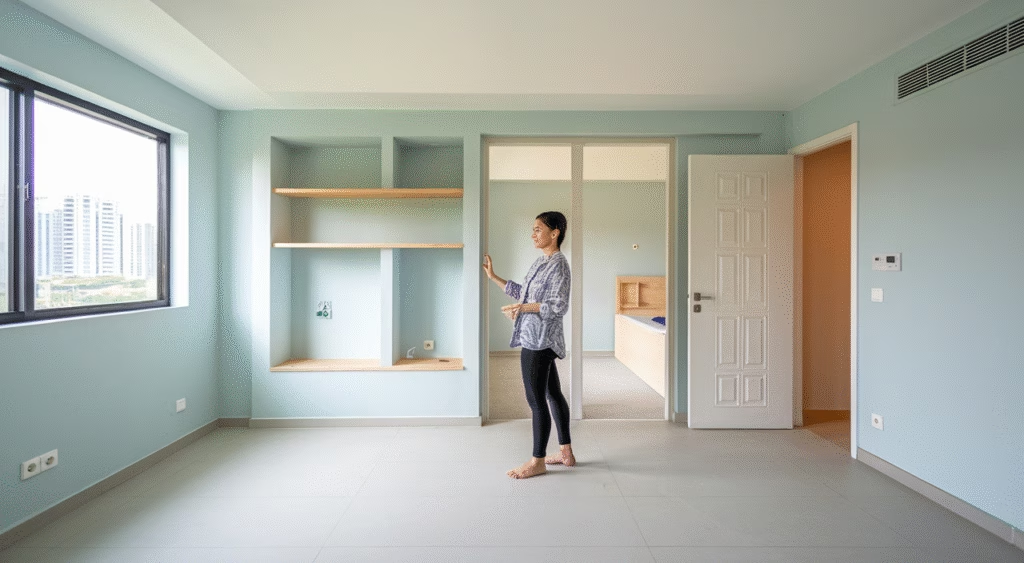
Why Is HDB BTO Defects Inspection So Important?
When you receive your new HDB BTO flat, it might look pristine and flawless — but construction defects can be hiding in plain sight. That’s why a comprehensive defect check for new flat isn’t optional — it’s essential for protecting your investment. Think of it as quality control before you begin renovation or settle into long-term living. Identifying problems early ensures they’re fixed free under your 1-year Defects Liability Period (DLP). Miss this window, and you’ll pay out of pocket for repairs that should have been covered.
- TL;DR:
- ✔️ A defects inspection helps you identify construction issues early.
- ✔️ It ensures the safety, durability, and value of your flat.
- ✔️ HDB offers free repairs within the Defects Liability Period.
- ✔️ You need to report defects before renovating your home.
- ✔️ Our step-by-step guide ensures a thorough defect check.
The Importance of Defects Inspection
Why Is Defects Inspection Necessary?

Imagine settling into your long-awaited BTO flat, only to discover water seeping through bathroom tiles or electrical outlets failing weeks later. These aren’t rare occurrences — they’re common scenarios that proper HDB BTO defects inspection can prevent.
A thorough defects inspection helps you catch these issues before renovation conceals them. This is your opportunity to examine everything systematically — from hollow tiles and door alignment to electrical points, water drainage, paintwork, and window functionality.
Most importantly, any defects you report during the DLP will be rectified by HDB’s Building Service Centre (BSC) contractors at zero cost. Start renovation first, and you risk voiding this valuable warranty protection.
How to Conduct a Thorough Inspection
Preparing for the Inspection
Before starting your comprehensive defect check for new flat, gather these essential tools:
- Detailed inspection checklist (downloadable from HDB or create your own)
- Masking or washi tape to mark identified defects
- Torchlight for examining dark corners and concealed areas
- Mobile phone camera for documenting and photographing issues
- Marble or coin to test tiles for hollow sounds
- Electrical tester plug to verify power socket functionality
Schedule your defects inspection during daylight hours for optimal natural lighting, and consider bringing a trusted family member or professional inspector for additional perspective.
Step-by-Step Guide to Spotting Defects
Approach your HDB BTO defects inspection systematically, moving room by room:
- Floors: Examine tiles for cracks, chips, or hollow sections (tap lightly with a marble — hollow sounds indicate poor adhesion that needs fixing).
- Walls: Inspect for water stains, cracks, uneven paintwork, or moisture-related bubbles and peeling.
- Ceilings: Check for leak stains, paint flaking, or structural irregularities.
- Doors and windows: Test smooth opening and closing mechanisms, secure locks, and proper alignment.
- Bathrooms: Verify proper drainage speed, secure fittings, and adequate flush pressure in toilets.
- Electrical systems: Use your tester plug and lightbulbs to confirm all outlets and switches function correctly.
- Water supply: Turn on all taps and showers to test water pressure and check for any leakage signs.
Reporting and Resolving Defects
Understanding the Reporting Process
When you discover defects during your inspection, follow this systematic approach:
- Visit your estate’s Building Service Centre (BSC) to complete and submit the HDB Defect Feedback Form with detailed descriptions.
- You’ll receive confirmation and scheduling for a joint inspection appointment with BSC representatives.
- The BSC will co-inspect your flat and assign qualified contractors to resolve all verified defects within several weeks (timing depends on severity and contractor availability).
Planning to start renovations? Ensure all defect repairs are completed before any hacking or major work begins. HDB will not address claims involving damage caused by renovation activities.
Dealing with Common Defects
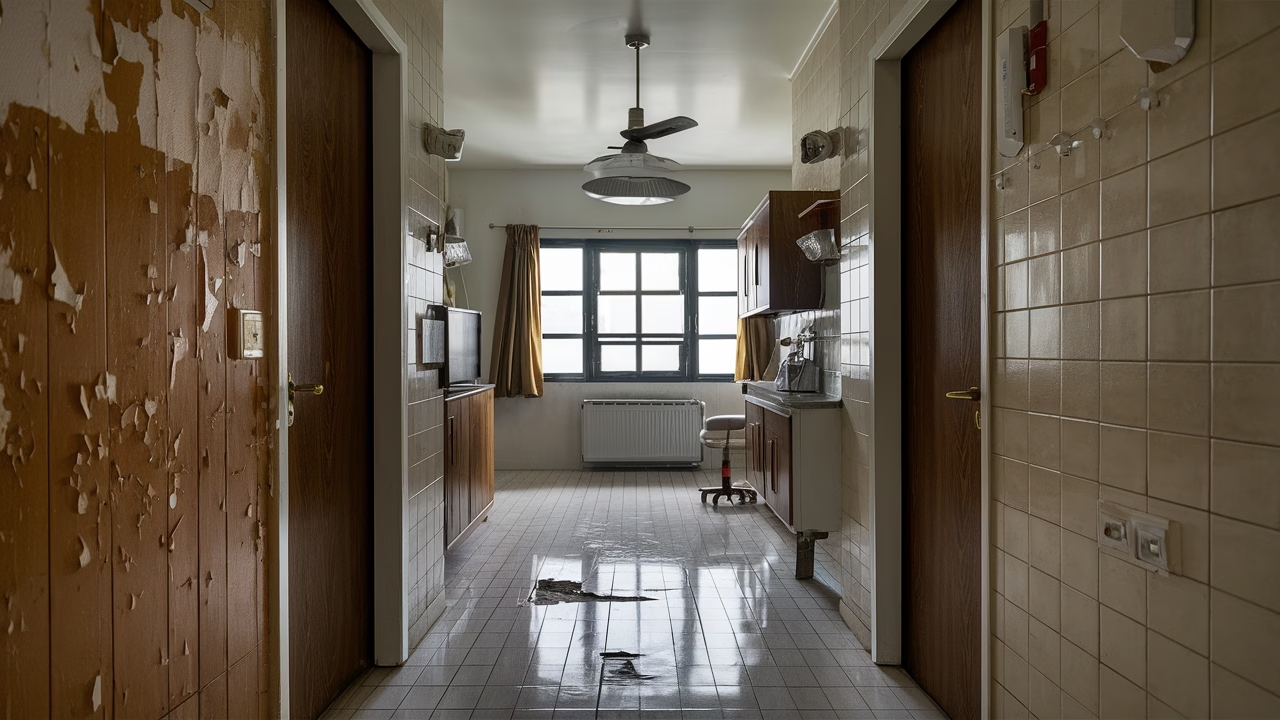
The most frequently reported defects in HDB BTO defects inspection include:
| Type of Defect | Common Examples |
|---|---|
| Flooring | Cracked tiles, hollow tiles, uneven surfaces |
| Walls | Water seepage, paint blisters, rough finishes |
| Plumbing | Leaking taps, slow drainage, incorrect alignment |
| Electrical | Dead power sockets, loose switches |
These issues might appear minor initially, but they can escalate into expensive problems over time. Reporting them during your defects inspection ensures stress-free living and prevents costly repairs later.
Tips for a Successful Defects Inspection
Maximizing Your Warranty Coverage
Your Defects Liability Period typically spans 12 months from key collection. Use every day strategically with these approaches:
- Complete your defects inspection before starting any renovation work — this preserves warranty validity.
- Report all discovered issues simultaneously to expedite the rectification process.
- Document everything comprehensively with timestamped photographs and maintain detailed written records.
- Follow up weekly with your BSC coordinator to track repair progress and ensure timely completion.
Consider the DLP your safety net — but only when you actively use it through proper defects inspection.
Best Practices for a Comprehensive Inspection
What distinguishes a thorough HDB BTO defects inspection from a cursory walkthrough?
- Allocate sufficient time — 3-4 hours isn’t excessive for a complete unit examination.
- Test every electrical outlet, water tap, and window individually. Don’t assume functionality based on neighboring fixtures.
- Use a systematic checklist to stay organized and prevent overlooking critical areas.
- Bring a small mirror to inspect difficult-to-reach corners or concealed pipes behind bathroom fixtures.
- If possible, conduct inspections during both day and evening hours — some water pressure and lighting issues only manifest under specific conditions.
Cost Guide: Hiring a Professional Inspector
If you prefer professional assistance or want additional assurance, consider hiring a qualified defects inspector. Here are typical investment ranges:
| Service Level | Estimated Price Range |
|---|---|
| Basic 2-room inspection | $150 – $250 |
| Full 3- or 4-room unit | $250 – $400 |
| 5-room or Executive unit | $400 – $600 |
Pro tip: Always review sample reports and client testimonials before hiring. Inspector standards and thoroughness can vary significantly across providers.
Final Thoughts
Your new HDB BTO flat represents years of waiting, careful planning, and significant investment. While the excitement to renovate and move in is natural, your defects inspection is a foundational step that protects this investment. By dedicating proper time and attention to this comprehensive defect check for new flat, you ensure your home delivers the comfort, safety, and quality you deserve for years to come. Inspect thoroughly before you invest in renovations — your future self will thank you.
Frequently Asked Questions
- What is the defect check period for BTO?
The period is called the Defects Liability Period (DLP), typically lasting one year from the date you collect your keys. You must report all defects within this timeframe. - Can I start renovation before inspection is done?
No, it’s strongly advised to conduct and resolve your defects inspection first. Renovation activities may cover up or damage defects, which then become non-claimable under the DLP. - How do I report a defect?
Visit your estate’s Building Service Centre (BSC), fill out the HDB Defects Feedback Form, and wait for a joint inspection appointment to be scheduled. - What if the BSC doesn’t fix my issue properly?
Re-report the issue and escalate the matter to HDB directly if unsatisfied with BSC performance. Persistence is key to resolution. - Should I hire a professional defects inspector?
While optional, it’s useful for time-strapped or first-time homeowners who want a comprehensive survey without missing key issues. - Is there a checklist I can use?
Yes! Many HDB homeowners use downloadable checklists or create their own based on room-by-room inspections.

