How can you create a dementia-friendly bathroom that supports safety and independence?
Designing a dementia-friendly bathroom requires understanding the unique cognitive, visual, and motor challenges that people with dementia face daily. From installing non-slip surfaces to creating intuitive layouts, this comprehensive guide covers the essential features and safety measures you need to help your loved one navigate the bathroom confidently and safely.
- ✔ Empathetic design approach: Understanding cognitive challenges helps you design solutions that truly work for individuals with dementia.
- ✔ Safety-first features: Level-access showers, non-slip flooring, and dementia-friendly shower seats prevent dangerous slips and falls.
- ✔ Thoughtful lighting solutions: Well-planned lighting reduces shadows, eliminates glare, and addresses common perception difficulties.
- ✔ Simplified organization: Clutter-free storage and minimal layouts reduce confusion and decision-making stress.
- ✔ Critical safety installations: Grab bars, anti-scald devices, and temperature controls protect against the most common bathroom accidents.
1. Why Dementia-Friendly Bathroom Design Matters
1.1 Understanding How Dementia Affects Bathroom Use
Dementia affects far more than memory—it impacts depth perception, coordination, and spatial awareness. For someone with dementia, a standard bathroom becomes filled with potential hazards: slippery surfaces, confusing reflections, and complex fixtures they may no longer recognize. Understanding these challenges is the first step in creating effective bathroom safety for individuals with dementia.
1.2 The Foundation of Safe Bathroom Design
Effective dementia-friendly bathroom design goes beyond adding safety features—it requires rethinking how every element in the space functions together. The goal is creating an environment that feels familiar and intuitive, reducing anxiety while maximizing independence. When we design with empathy and understanding, we create spaces that truly support both safety and dignity.
2. Essential Safety Features Every Dementia-Friendly Bathroom Needs
2.1 Level-Access Showers: Eliminating Fall Risks
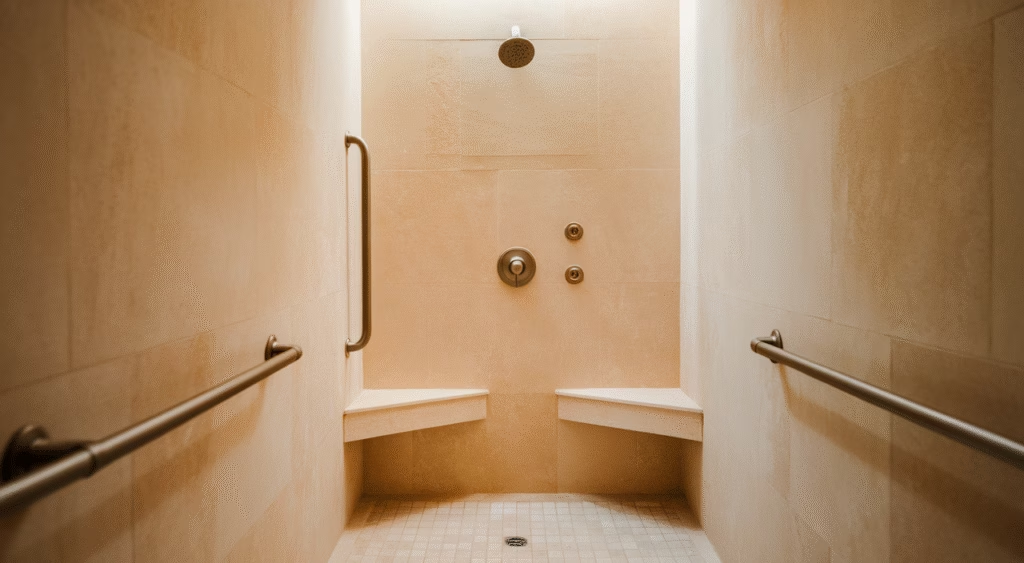
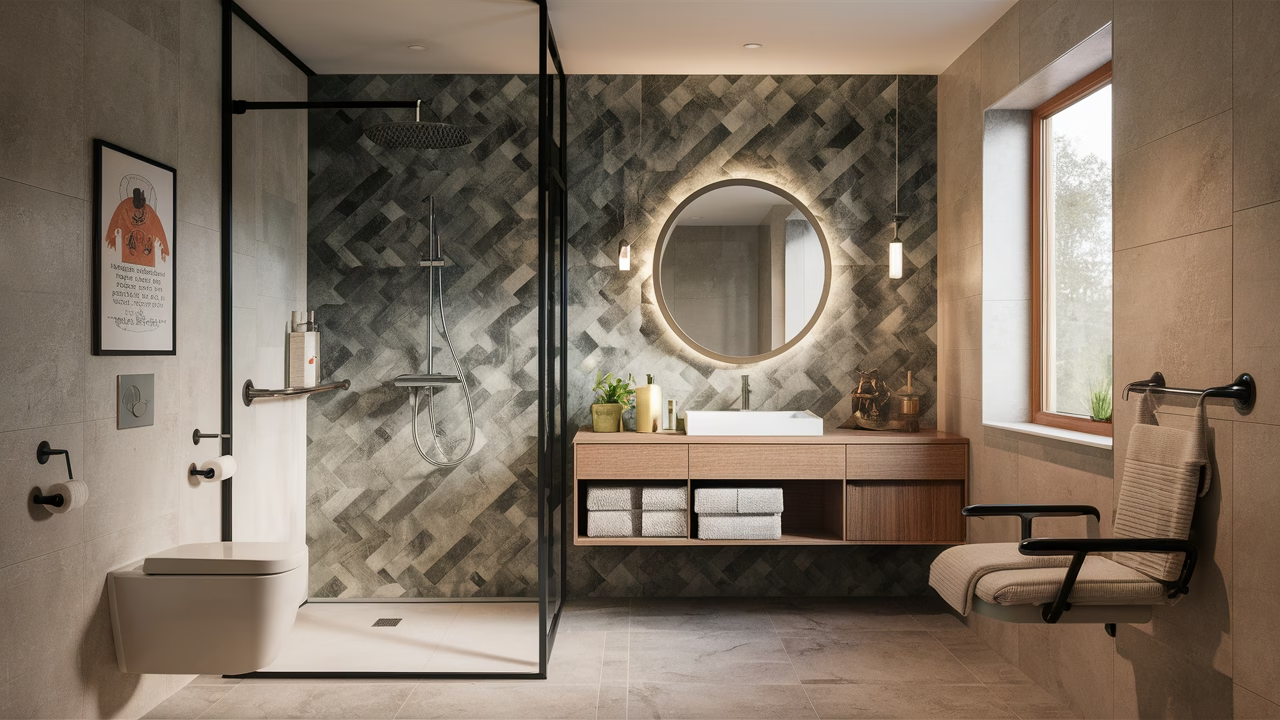
Installing a level-access shower for dementia patients is one of the most impactful safety improvements you can make. By eliminating the raised threshold that causes most bathroom falls, you create seamless access that works even as mobility declines. Pair this with high-quality non-slip flooring—textured vinyl or specialized rubber surfaces provide excellent traction while being easy to clean and maintain.
2.2 Shower Seats That Provide Security and Independence
A well-chosen dementia-friendly shower seat transforms bathing from a stressful ordeal into a manageable routine. Look for seats with sturdy armrests in contrasting colors—the visual distinction helps with recognition while the support aids with sitting and standing. These features work together to maintain your loved one’s bathing independence for longer while keeping them safe.
3. Color Schemes and Lighting for Visual Clarity
3.1 Using Color Contrast to Improve Recognition
Dementia often impairs the ability to distinguish between similar colors or see objects against matching backgrounds. Strategic use of contrasting colors makes fixtures easier to identify and use correctly. A dark toilet seat against a white toilet, or colorful towels against neutral walls, can make the difference between successful bathroom use and confusion or accidents.
Lighting plays an equally crucial role in dementia-friendly bathroom design. Install consistent, warm lighting that eliminates shadows and harsh contrasts. Motion-activated lights prevent dangerous nighttime navigation, while avoiding the startling effect of sudden bright lights that can cause disorientation.
4. Smart Storage and Organization Strategies
4.1 Reducing Decision Fatigue Through Simplified Organization
Too many choices overwhelm people with dementia, leading to frustration or unsafe product use. The key to effective bathroom organization is radical simplification combined with clear visual cues.
- Store daily essentials in transparent containers at eye level
- Use large-print labels with both words and pictures
- Secure all cleaning products and medications in locked storage
- Limit toiletries to single options to prevent choice overload
- Keep frequently used items in the same locations consistently
5. Critical Safety Installations You Cannot Skip
5.1 Anti-Scald Protection and Strategic Grab Bar Placement
Scalding injuries are particularly dangerous for people with dementia, who may not react quickly to hot water or may forget to test temperature. Installing anti-scald valves and thermostatic mixing valves ensures water never exceeds safe temperatures, providing crucial protection when reaction times are compromised.
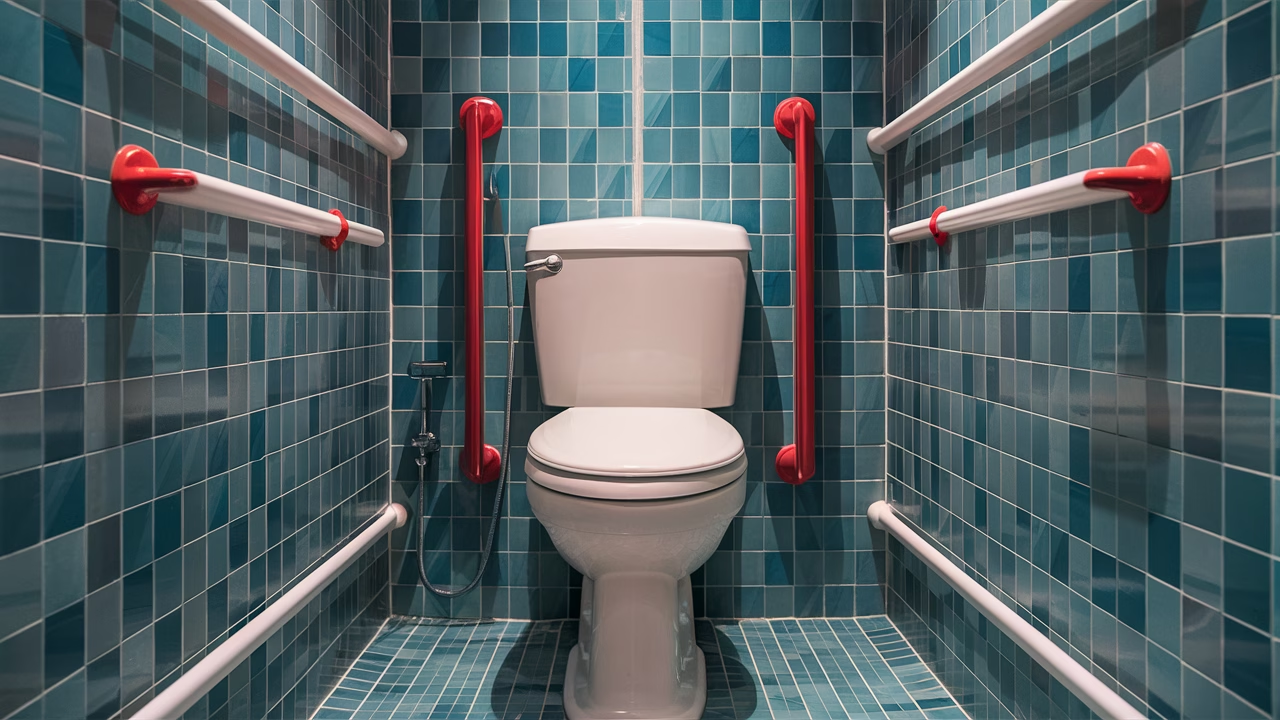
Properly positioned grab bars serve as both physical support and psychological reassurance. Install textured, high-contrast bars near the toilet, shower, and sink. These strategic placements provide stability during the most vulnerable moments while building confidence for independent bathroom use.
Cost Guide: How Much Does a Dementia-Friendly Bathroom Renovation Cost?
Creating an accessible bathroom for dementia patients can vary widely depending on your existing layout, desired upgrades, and material choices. Here’s a rough cost estimate breakdown:
| Component | Low-End Estimate | Mid-Range Estimate | High-End Estimate |
|---|---|---|---|
| Level-Access Shower Installation | $1,400 | $2,800 | $5,000+ |
| Non-Slip Flooring | $600 | $1,200 | $2,000+ |
| Shower Seat with Arms | $90 | $250 | $500+ |
| Grab Bars | $100 | $300 | $600+ |
| Anti-Scald Devices | $80 | $150 | $300+ |
Creating Lasting Safety and Peace of Mind
Successful dementia-friendly bathroom design isn’t about creating a medical facility in your home—it’s about thoughtfully adapting a personal space to support changing needs. When implemented correctly, these modifications preserve dignity while dramatically improving safety outcomes.
Remember that the best accessible design feels intuitive rather than institutional. Every modification should serve the dual purpose of preventing accidents while supporting your loved one’s sense of independence and self-worth.
Frequently Asked Questions
What is the most important safety feature in a dementia-friendly bathroom?
Non-slip flooring combined with a level-access shower creates the foundation of bathroom safety for individuals with dementia. These features work together to eliminate the most common cause of bathroom injuries.
Can I make my bathroom dementia-friendly without major renovation?
Absolutely. Start with grab bars, improved lighting, contrasting colors for key fixtures, and simplified storage. These changes can significantly improve safety without extensive construction.
What type of lighting works best for someone with dementia?
Use warm, consistent lighting that eliminates shadows and reduces glare. Motion-sensor lights help with nighttime safety while avoiding the jarring effect of sudden bright lights.
How can I make the toilet area safer and easier to use?
Install a high-contrast toilet seat, add grab bars on both sides, consider a raised seat for easier transfers, and ensure adequate lighting without shadows.
Which colors should I avoid in a dementia-friendly bathroom?
Avoid all-white or monochrome schemes that make fixtures disappear, busy patterns that cause confusion, and high-gloss surfaces that create confusing reflections.
How often should I reassess bathroom safety needs?
Review safety features every 3-6 months or whenever you notice changes in mobility, cognition, or bathroom independence. Dementia progresses differently for everyone.
Should mirrors be removed from dementia bathrooms?
If reflections cause agitation, confusion, or fear, consider covering or removing mirrors. However, some people with dementia benefit from mirrors for orientation and grooming tasks.

