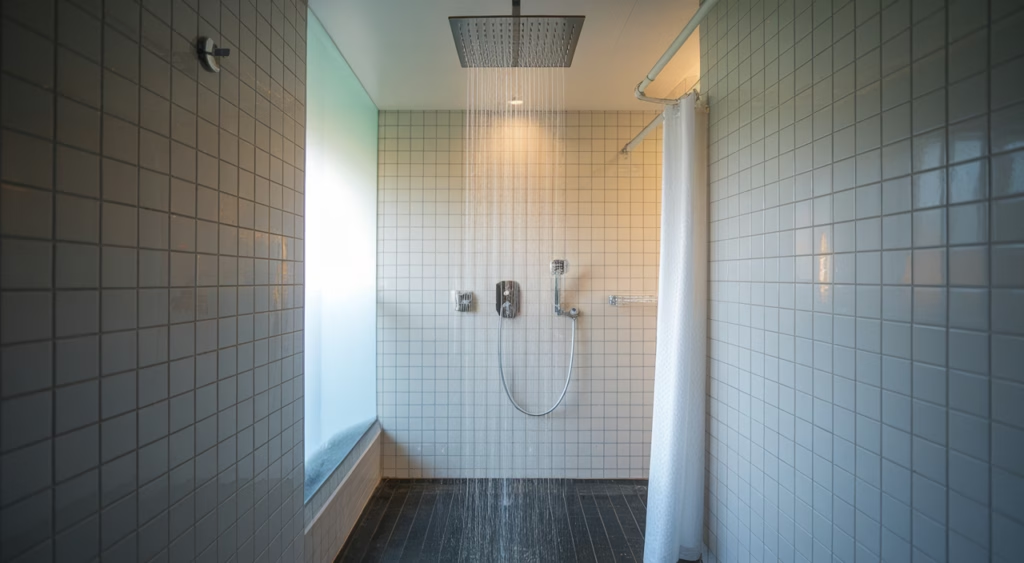
Why is the Water Pressure Low in My HDB Unit?
Low water pressure in your HDB flat can be a major nuisance. Whether you’re struggling with a weak shower spray or tap water that trickles instead of flows, there’s always a reason behind it. Let’s break it down: Most commonly, issues stem from outdated plumbing, internal pipe buildup, shared water supply systems, or even poorly chosen fixtures.
So, what can you do to increase water pressure—especially if you’re renting or on a budget? The good news: plenty.
TL;DR: Quick Tips for Improving Water Pressure in Your HDB
- Identify Common Causes: Mineral buildups, faulty plumbing, or shared supply limitations are typical reasons for low water pressure.
- Install a High-Pressure Showerhead: A suitable showerhead for low water pressure can drastically improve weak flow instantly.
- Check for Leaks or Faulty Valves: Even tiny leaks reduce pressure significantly.
- Routine Maintenance Helps: Cleaning aerators and pipes can restore lost force over time.
- Consult a Licensed Plumber: If DIY fails, a professional can identify deeper issues.
Why Water Pressure Matters in Your HDB
You wake up groggy, shuffle to the bathroom, and turn on the shower—only to be greeted by a disappointing drizzle. Sound familiar? For many Singapore homeowners and tenants, especially those in older HDB flats or shared apartments, low water pressure is a daily annoyance. But it’s more than just inconvenience—poor pressure affects hygiene, time efficiency, and your overall living comfort.
Think of your water pressure system like the circulatory system in your body. If there’s a ‘clot’—say, a pipe blockage or poor equipment—the whole system suffers. That’s why understanding these underlying issues is the foundation to fixing them and learning how to increase water pressure effectively.
Understanding the Causes of Low Water Pressure

Several culprits might be silently sabotaging your water flow. Here’s a deeper look at the reasons for low water pressure:
- Old Plumbing Infrastructure: HDBs built decades ago may have pipe corrosion or outdated fittings restricting flow.
- Shared Water Supply: Apartments with shared supply lines mean multiple households tap the same water source. Peak demand times (like mornings and evenings) lead to pressure loss.
- Limescale Build-Up: Hard water isn’t that common in Singapore, but limescale can still accumulate inside faucets and pipes over years, choking flow.
- Faulty Pressure Reducing Valves: Some flats come equipped with PRVs. If malfunctioning, they can restrict flow more than needed.
- Hidden Leaks: A silent leak under your sink or within the wall means constant water loss and low outlet pressure.
Quick Fixes for Increasing Water Pressure
You don’t necessarily need a full renovation to feel a stronger spray every morning. In fact, small upgrades can go a long way to increase water pressure in your HDB flat.
Upgrading Your Showerhead: A Game-Changer
The easiest and most cost-effective fix for low water pressure? Swapping out your current showerhead for one built specifically to increase flow efficiency. Modern showerheads for low water pressure come engineered with pressure-boosting tech. These help force smaller volumes of water through fine nozzles, giving the sensation of a stronger jet without altering the input pressure.
| Showerhead Feature | Benefit |
|---|---|
| Pressure-Enhancing Nozzles | Concentrated water jets for improved feel |
| Self-Cleaning Design | Prevents mineral build-up and clogging |
| Multiple Spray Modes | Adjust according to preference and usage |
Checking for Leaks and Blockages
Slow flow could come from somewhere you can’t see. Here’s how to detect it:
- Check all accessible pipes: Look for wet spots under sinks, behind washing machines, or near toilets.
- Turn off all taps and check your water meter over 1–2 hours. If it changes, you’ve got a leak.
- Clean your tap screens and flush valves: Sediment often builds up there unnoticed.
These simple steps can restore lost pressure without calling for costly intervention.
Long-Term Solutions for Sustainable Water Pressure
Quick fixes are great, but there’s merit in going deeper—especially if you’re facing recurring low water pressure problems.
Plumbing Upgrades and Maintenance Tips
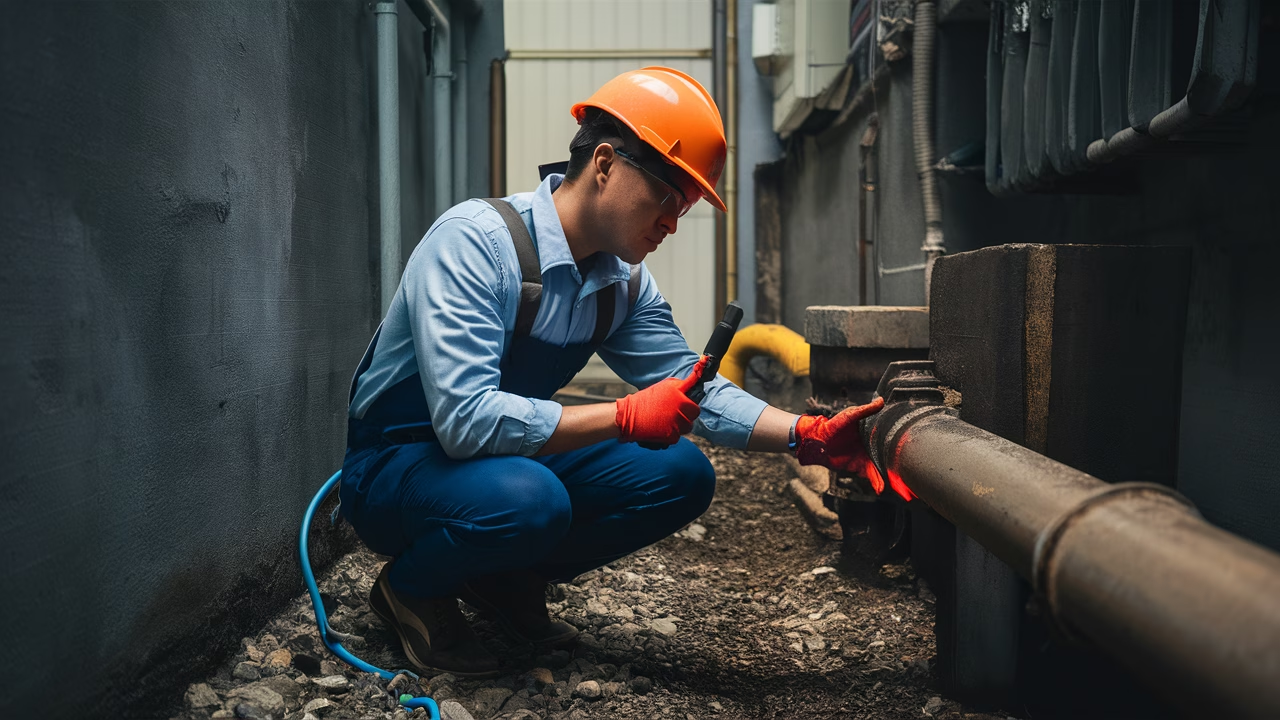
Let’s say your pressure issue is persistent across all faucets and accessories. That’s often a sign your pipes may need an overhaul to effectively increase water pressure.
Here are sustainable steps for long-term improvement:
- Replace corroded pipes: Internal rust greatly narrows your pipe’s diameter, restricting flow. New materials like PEX or copper make a world of difference.
- Routine water system flushing: Consider running a thorough flush every few months to eliminate build-up inside pipes.
- Periodic valve checks: Get your stop valves inspected to ensure full flow isn’t impeded.
Consultation with a Professional Plumber
If you’re unsure where the issue lies or if DIY attempts haven’t delivered results, it’s time to call in an expert. A plumber can perform a system pressure test, trace leaks using imaging tools, and deliver targeted solutions to increase water pressure—saving you time and water.
| Service | Description | Estimated Cost (SGD) |
|---|---|---|
| Showerhead Replacement | Install high-efficiency unit | $50–$100 |
| Leak Detection Service | Identify hidden leaks via imaging | $80–$300 |
| Pipe Replacement | Full or partial changeover | $500–$2000 |
| Valve Repair | Replace PRVs or stopcocks | $80–$150 |
Enhance Your Shower Experience!
Life’s too short for weak water flow. Whether it’s rejuvenating after a long day or just getting through your morning rush, upgrading your HDB’s water pressure can have a surprising impact on your comfort, hygiene, and even mood.
Don’t settle for a lackluster trickle. Start with small changes like improving your showerhead for low water pressure, address culprits like leaks, and if need be—invest in sustainable plumbing solutions. You deserve the luxury of strong, consistent water pressure—without endlessly turning the tap.
Frequently Asked Questions
How to increase water pressure in shower HDB?
Use a pressure-enhancing showerhead, clean or replace old pipes, and ensure your plumbing valves are fully open. Checking for leaks helps too.
What is the best showerhead for low water pressure in Singapore?
Choose a lightweight, pressure-boosting showerhead with narrow nozzles to concentrate flow. Models with self-cleaning features also minimize future buildup.
Can shared apartment plumbing affect my water pressure?
Yes, in shared supply systems, multiple units drawing water simultaneously can cause dips in pressure. Try using water during non-peak hours or install flow regulators.
Is low water pressure a sign of a leak?
It could be. One way to know is to monitor your water meter while all outlets are off. Any movement suggests a leak that needs urgent attention.
Are there HDB-specific regulations for upgrading plumbing?
Yes, structural plumbing changes require HDB approval and must be performed by licensed professionals. Consult before making permanent changes.

