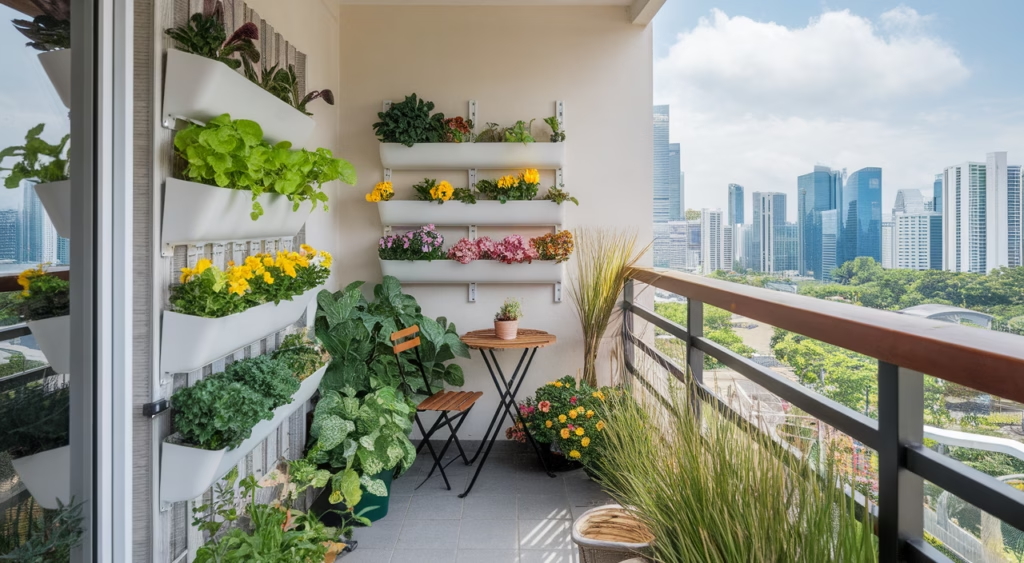
How can I grow a successful edible garden in my HDB flat?
Yes, you absolutely can! With the right crops for HDB urban farming, a touch of planning, and smart space-saving gardening techniques, you can transform even the smallest corner of your HDB flat into a lush, productive urban farm.
TL;DR: Start Urban Farming in Your HDB Flat
- Best Crops for HDB Urban Farming: Choose herbs like basil, mint, leafy greens like kangkong, and compact varieties of chili or cherry tomatoes.
- Space-Saving Ideas: Use vertical gardening systems, railing planters, and DIY hanging set-ups for small space gardening.
- Indoor Setup: Ensure good lighting (either natural or LED grow lights), proper drainage, and use hydroponic or soil-based containers tailored for small spaces.
- Cost Range: Starting setups can be as low as $20, more advanced systems may range over $200 depending on the configuration.
- Pro Tip: Start small with urban gardening tips. You’ll learn as you grow — both the plants and your confidence!
Choosing the Right Crops for Your HDB Urban Farm
1.1 Best Crops for HDB Urban Farming
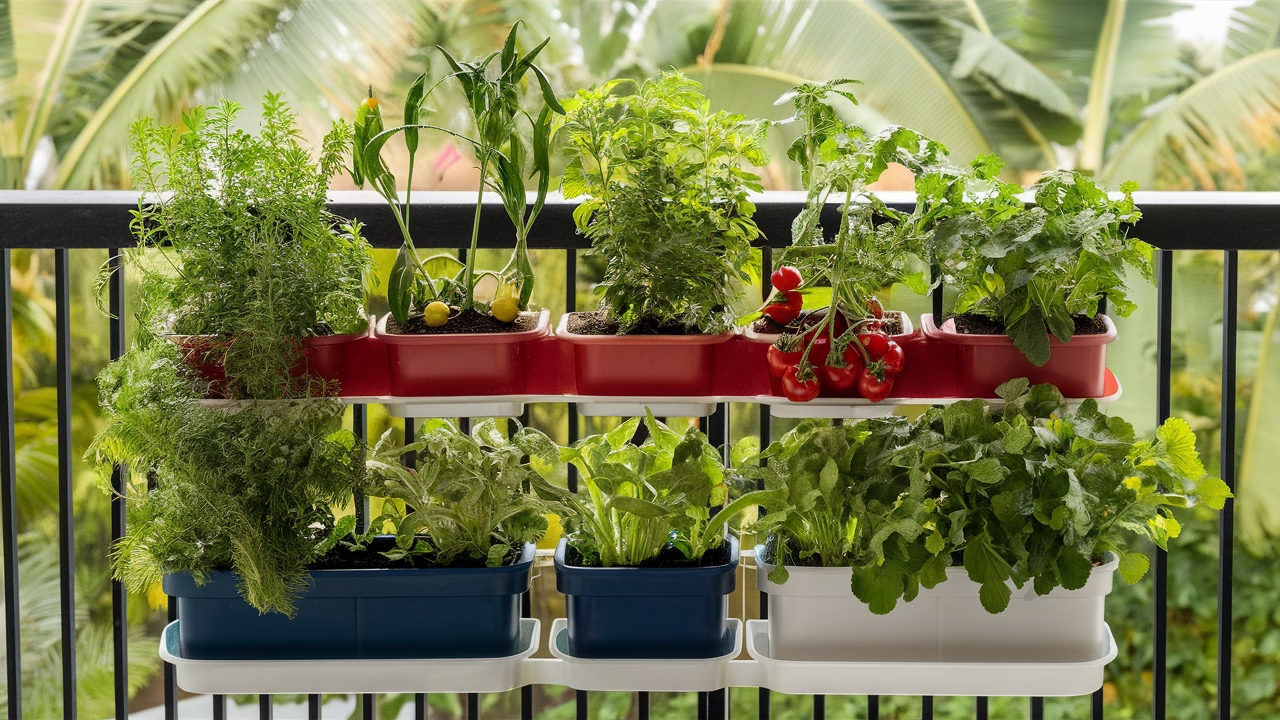
Ever tried squeezing a papaya tree into a corridor garden? Let’s skip that. For successful HDB gardening, the secret lies in choosing crops that are compact, quick-growing, and yield well in containers. Here are the best crops for HDB urban farming:
- Leafy Greens: Kangkong, lettuce, chye sim — these thrive in shallow containers and can be harvested multiple times in small space gardening setups.
- Compact Vegetables: Chili padi, cherry tomatoes, eggplants. These varieties stay small yet yield abundantly in urban farming systems.
- Herbs: Basil, mint, pandan, lemongrass. Perfect for sunny windowsills and minimal spacing in HDB gardening.
- Microgreens: Radish greens, alfalfa, pea shoots. Harvest within two weeks — ideal for regular fresh bites from your urban farm.
Want consistent harvests from your HDB urban farming? Rotate your planting every few weeks for a continuous supply, blending quick-growers like pak choy with slower yielding ones like tomato plants.
1.2 Seasonal Planting Tips for Urban Gardening
In tropical Singapore, you’re spared the hassle of changing seasons — but that doesn’t mean ‘any time’ is always the best time for urban farming in HDB flats. Tropical warmth supports year-round growth, but the wet northeast monsoon demands good drainage to avoid root rot in your small space gardening setup. During drier months, keep moisture-loving plants like kangkong well-watered. Group your crops by watering needs to make your HDB gardening routine simpler and more efficient.
Space-Saving Gardening Techniques for HDB
2.1 Vertical Gardening Ideas
Short on square footage? Go up instead of out. Vertical gardening is a game-changer in small space gardening, transforming bare walls or fences into cascading greenery. Here are proven space-saving gardening techniques:
- Wall-Mounted Planters: Perfect for herbs and smaller edibles in your HDB urban farming setup. Consider stackable shelves or wall grids with attached pots.
- Hanging Planters: Suspend from ceiling hooks or balcony rails. Best for trailing plants like mint or strawberries in small space gardening.
- Modular Grow Towers: Soil or hydroponic towers hold dozens of plants in a column — ideal for greens and microgreens in urban farming systems.
If you’re worried about sunlight for your HDB gardening, place these structures near windows or movable supports to chase the light across the day.
2.2 Utilizing Balconies and Corridors for Urban Farming
Treat your HDB corridor like a front-row garden plot — with some caveats. Ensure that your urban farming setup:
- Doesn’t block walkways — keep planters within regulations (usually under 50cm width) for safe HDB gardening
- Receives enough light — east-facing corridors work well for morning sun; west-facing need heat-tolerant varieties
- Is secure — anchor planters to prevent accidents during windy days in your small space gardening area
Balconies, especially ones with overhead shelter, are perfect for sun-loving crops in HDB urban farming. Use railing-mounted troughs, corner-tier shelving or even a retractable drying rack re-imagined as a hanger for planters.
Setting Up Your Indoor Planting System
3.1 Essential Equipment for Indoor Gardening
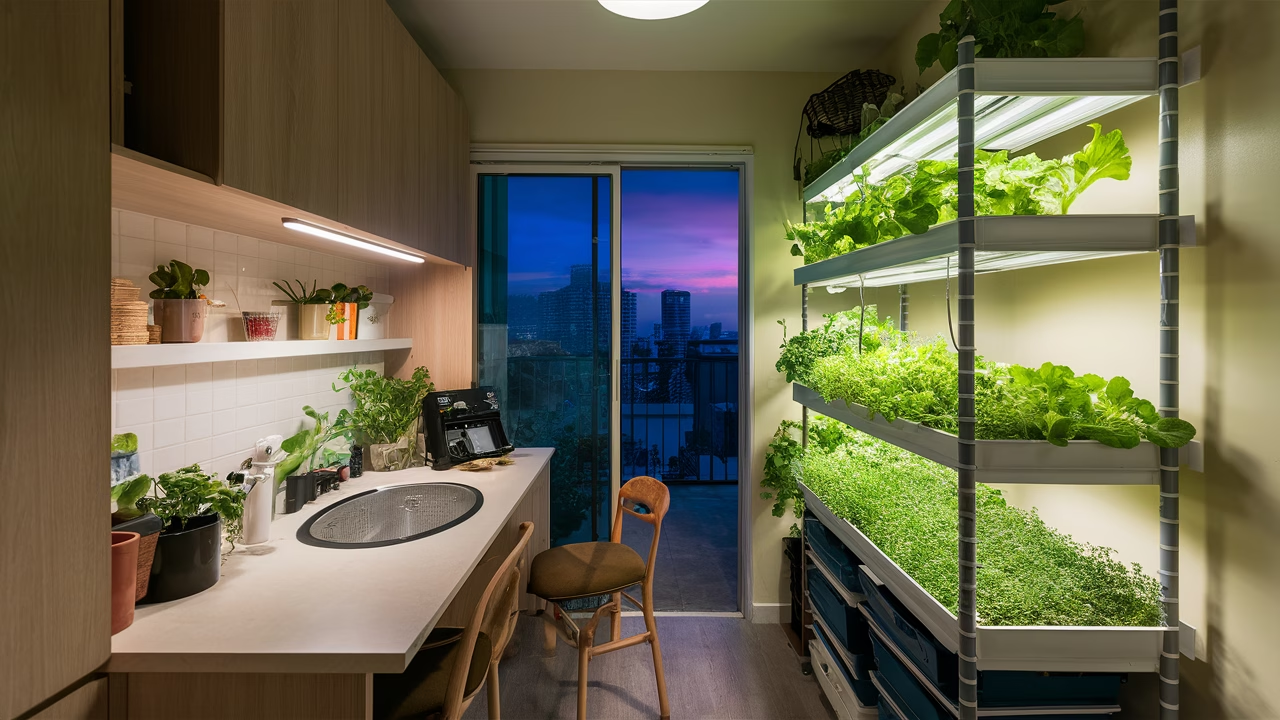
Can’t access sunlight often? A well-structured indoor planting system is your green escape for urban farming in HDB flats. Essential urban gardening tips include:
- Grow Lights: Use full-spectrum LED lights with timers to mimic natural daylight (12-14 hours/day) for effective HDB gardening
- Planters or Grow Trays: Self-watering pots reduce fuss and mess in small space gardening. Trays are great for microgreen batches.
- Hydroponic Kits: Soil-free setups offer clean, efficient growing for urban farming — just monitor nutrients and pH levels closely.
- Fan or Airflow: Good airflow prevents fungal issues in HDB gardening, especially in tighter units without open windows
Plan your indoor planting layout near power points, away from AC outlets or areas vulnerable to leakage or drips.
3.2 Lighting and Watering Tips for HDB Urban Farming
Whether your garden’s by a window or deep in a corridor corner, consistent light and hydration are keys to lush growth in small space gardening.
- Light: Most vegetables need 6–8 hours of light for successful HDB urban farming. South-facing windows are gold; otherwise, supplement with LEDs.
- Watering: Overwatering kills more crops than neglect in urban gardening. Use the finger test—poke 1 inch into soil. Dry? Time to hydrate.
- Humidity: Singapore’s naturally humid, but indoor fans and air conditioning can dry plants. Mist occasionally or add humidity trays for optimal HDB gardening.
Set reminders for weekly checks—a bit of routine goes a long way toward ensuring a thriving urban farm in your HDB flat.
Cost Guide: What You Need and What It Costs
| Item | Low-End (SGD) | Mid-Range (SGD) | High-End (SGD) |
|---|---|---|---|
| Basic Soil Planters | $5 | $15 | $30 |
| Grow Lights | $25 | $60 | $150 |
| Vertical Gardening Setup | $30 | $90 | $180 |
| Hydroponic Starter Kit | $50 | $100 | $300 |
Final Thoughts: Grow What You Love, Love What You Grow
Urban farming in your HDB flat is more than just a sustainability trend — it’s about reclaiming green space in grey places, connecting with nature, and tasting the satisfaction of your own harvest. Start small with these urban gardening tips, build on success, and stay curious. Whether you’re cooking laksa with your homegrown daun kesum or decorating your window with basil, this HDB garden is yours to grow — one pot at a time using proven space-saving gardening techniques.
Frequently Asked Questions
- What crops grow best in low sunlight areas?
Herbs like mint, parsley, and leafy greens like spinach do well in partial sunlight or bright shade. Use LED grow lights to supplement. - Is hydroponics better than traditional soil in HDB flats?
Hydroponics is cleaner and more space-efficient, but beginners may find soil systems more forgiving and cheaper to start with. - Can I grow fruit-bearing plants in my HDB flat?
Yes, try compact fruit varieties like cherry tomatoes, strawberries, or dwarf chili plants which are well-suited for pots and balconies. - How often should I water my indoor crops?
Most indoor crops require watering every 2-3 days. Always check moisture before watering to avoid overhydration. - Do I need permission to grow plants on my corridor?
No, but be sure not to block pathways or create hazards. Follow HDB guidelines regarding size and placement. - What’s the cheapest way to start urban farming in an HDB flat?
Start with recycled containers, soil from nurseries, and free seeds or cuttings — herbs like pandan or mint are easy starter choices. - Can I use tap water for hydroponics?
Yes, but let it sit for 24 hours or use dechlorinated water for better results; monitor pH and nutrients regularly.

