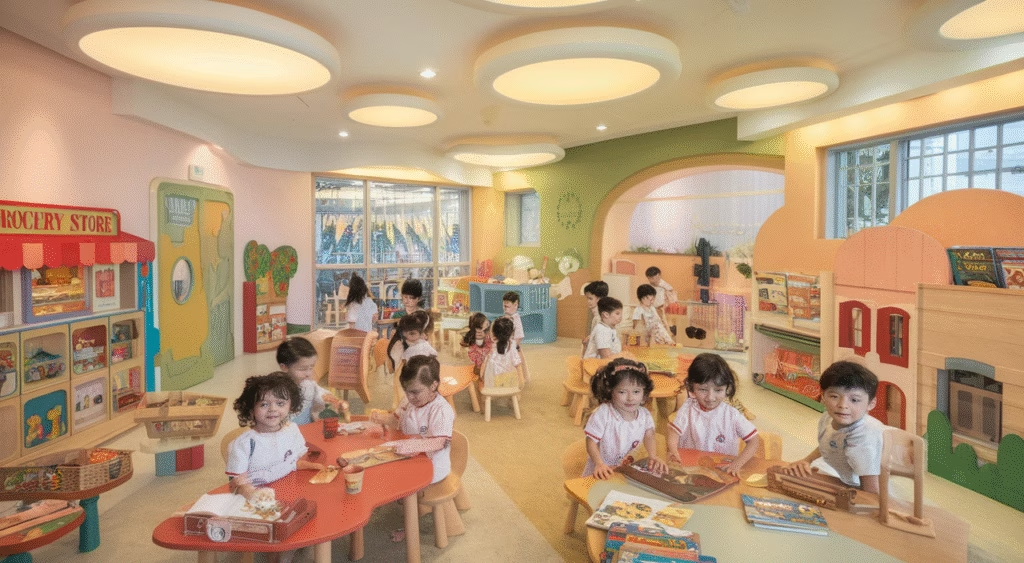
How Do You Open a Child Care Centre in Singapore?
Opening a child care centre in Singapore involves more than just securing a space and hiring staff. You’ll need to navigate licensing from the Early Childhood Development Agency (ECDA), follow comprehensive safety and operational regulations, budget accurately for startup costs, and design a program that meets both educational standards and the needs of working parents in Singapore’s competitive market.
TL;DR: Quick Checklist to Open a Child Care Centre in Singapore
- Apply for ECDA Licensing: Master the child care license requirements and legal compliance factors
- Secure Your Location: Follow our strategic guide on how to choose location for childcare center
- Plan Your Budget: Understand the complete cost of starting child care center with our detailed breakdown
- Design Your Space: Meet physical space requirements and create engaging learning environments
- Build Your Team: Hire qualified and passionate early childhood educators who meet ECDA standards
- Develop Quality Curriculum: Integrate new trends in early childhood education into your programming
- Ensure Full Compliance: Align with Singapore’s strict child care center regulations and safety standards
Understanding the Licensing Process
Child Care License Requirements in Singapore

Before you can welcome children through your doors, your child care centre in Singapore must secure a license from the Early Childhood Development Agency (ECDA). This agency oversees all childcare regulations to ensure safe and enriching environments for children under 7 years old.
Here’s what you’ll need for the licensing journey:
- Business Entity Registration: Register your business with ACRA before applying for your child care license
- Premises Approval: Obtain URA approval for change of property use if necessary
- Detailed Floor Plans: Submit comprehensive layout plans including safety features and age-appropriate zones
- Qualified Staff Team: Hire certified educators with recognized early childhood credentials
- Safety & Infrastructure Compliance: Secure fire safety certification, hygiene measures, and age-specific facilities
Step-by-Step Application Process
Follow this step-by-step guide for opening childcare center in Singapore to navigate the administrative requirements:
- Incorporate your business entity through ACRA’s online portal
- Identify and secure a suitable location, then obtain URA planning approval
- Develop your comprehensive operational and curriculum plan
- Set up your childcare environment with proper furnishings, safety measures, and child-proofing
- Submit your complete online application to ECDA via the CMS portal
- Prepare thoroughly for pre-licensing inspections and assessments by ECDA officers
The licensing process typically takes 2 to 4 months, depending on how complete and compliant your documentation and setup are when submitted.
Planning Your Child Care Center
Strategic Location Selection
Your location directly impacts enrollment rates, operational sustainability, and licensing approval success. The right location can make or break your child care centre in Singapore.
Here’s your comprehensive guide on how to choose location for childcare center:
- Proximity to Residential Estates: Position your centre near HDB blocks, condominiums, or landed properties to maximize convenience for parents
- Transportation Accessibility: Ensure the location is well-served by MRT stations, bus stops, and allows for safe drop-offs and pick-ups
- Competition Analysis: Research nearby centres to understand market saturation and identify service gaps you can fill
- Regulatory Compliance Potential: Some locations require URA change-of-use applications, additional fire permits, or soundproofing measures
Comprehensive Budgeting and Financing
Many aspiring founders significantly underestimate the true cost of starting child care center. Between renovations, staff salaries, equipment, and ongoing operational expenses, your startup budget determines what kind of centre you can open—and sustain long-term in Singapore’s competitive market.
Complete Cost Guide for Starting Your Child Care Centre
Here’s a detailed cost breakdown based on centre size and quality standards:
| Expense Category | Low-End (S$) | Mid-Range (S$) | High-End (S$) |
|---|---|---|---|
| Renovations | 30,000 | 60,000 | 100,000+ |
| Licensing & Compliance | 5,000 | 8,000 | 12,000 |
| Furniture & Equipment | 10,000 | 20,000 | 35,000 |
| Staff Hiring & Training | 15,000 | 25,000 | 40,000+ |
| Marketing & Branding | 3,000 | 10,000 | 25,000 |
| Total Estimate | 63,000 | 123,000 | 212,000+ |
Setting Up Your Physical Space
Renovation Requirements and Best Practices
Every child care centre in Singapore must be age-appropriate, safe, and purposeful. Child-sized furniture, anti-slip flooring, childproof cupboards—these aren’t just recommendations; they’re mandatory requirements under ECDA regulations.
- Ensure proper toilet-to-child ratios and accessibility compliance
- Design designated functional areas: active play zone, quiet rest area, and focused learning corners
- Apply for and obtain Fire Safety Certification (FSC) after renovation completion
Essential Equipment and Supplies Checklist
Equip your centre with these essential items for successful operations:
- Age-appropriate cots, beds, and comfortable napping mats
- Child-height tables, chairs, and accessible storage shelves
- Diverse art supplies, educational toys, and play materials
- Organized storage bins and secure safety lockers
- Comprehensive first aid kits and multiple hygiene stations
Staffing and Curriculum Development
Hiring Qualified Early Childhood Educators

Singapore’s child care license requirements mandatorily require all staff to possess proper early childhood certifications. This ensures quality education and care for children in your centre.
Required certifications include:
- Educarer Certification for children aged 18 months to 6 years
- Infant Educarer certification for children aged 2 to 18 months
Beyond formal qualifications, prioritize candidates with:
- Strong empathy and excellent communication skills
- Proven teamwork abilities and classroom management experience
- Commitment to continuous professional development and learning
Creating Engaging Educational Curriculum
Outstanding centres differentiate themselves through innovative programming. Here’s where incorporating new trends in early childhood education becomes crucial for your success.
Consider implementing these approaches:
- Play-based learning models that encourage natural curiosity
- Nature-integrated activities and outdoor exploration programs
- Multi-sensory storytelling, music, and movement activities
- Inclusive cultural perspectives and bilingual learning opportunities
Ensuring Compliance and Best Practices
Safety Regulations and Daily Protocols
ECDA’s comprehensive child care center regulations exist to protect children and maintain high standards. Incidents can instantly damage trust and reputation, so you must establish rigorous daily procedures.
Implement these essential safety protocols:
- Daily temperature screening and health monitoring procedures
- Strict food hygiene protocols and allergy management systems
- Secure pick-up and drop-off procedures with proper identification verification
- Clear incident reporting channels and emergency response protocols
Maintaining Excellence and Quality Standards
Once your child care centre in Singapore is operational, maintaining high standards requires ongoing commitment to these best practices for childcare centers:
- Regular staff training sessions and professional development opportunities
- Consistent parent communication channels and structured feedback collection
- Annual comprehensive self-evaluation against ECDA’s Quality Rating Scale
- Staying current with evolving local and international early childhood education standards
Final Thoughts
Launching a successful child care centre in Singapore represents a deeply rewarding journey that transforms both your career and your community. While the process involves comprehensive planning, thorough regulatory understanding, and significant emotional investment, the results—watching children flourish, earning parents’ trust, and building a thriving team—make every challenge worthwhile. With strategic planning and the comprehensive guidance provided above, you’re not simply opening another business; you’re creating a lasting legacy in Singapore’s early childhood education landscape.
Frequently Asked Questions
- What is the minimum space requirement per child in Singapore child care? ECDA requires at least 5 sqm per child indoors, excluding kitchens and toilets.
- How long does ECDA take to approve my application? On average, it takes 2 to 4 months depending on document readiness and inspection outcomes.
- Can I run a child care centre from my HDB flat? No, URA does not permit child care operations in residential units without approved change-of-use status.
- What age groups can I cater to? You can operate for infants (2 to 18 months), toddlers (18 to 36 months), or preschoolers (3 to 6 years).
- Do I need insurance coverage? Yes, public liability and fire insurance are necessary and part of licensing requirements.
- Is bilingual education necessary? Many centres offer English-Chinese immersion as it’s highly valued by parents; it also supports MOE’s early preparation.
- Can I open a centre as a solo founder? Yes, but you’ll need to hire minimum required licensed staff based on centre size and child-to-teacher ratios.

